Subscribe to out newsletter today to receive latest news administrate cost effective for tactical data.

Let’s Stay In Touch

Shopping cart

Subtotal $0.00

View cartCheckout

Peripheral Arterial Disease Treatment in KPHB, Hyderabad | Gokul Heart & Cholesterol Clinic
Peripheral Arterial Disease Treatment

Peripheral Arterial Disease Treatment in KPHB, Hyderabad

Peripheral Arterial Disease Treatment in KPHB starts with checking the pulses in your feet, not with another painkiller for calf pain that keeps returning. At Gokul Heart & Cholesterol Clinic, KPHB Colony, our interventional cardiologists confirm the diagnosis with a pulse examination, an ABI test and a full lipid profile. Then they treat exactly what they find.

Calf pain that stops your walk? Get your leg arteries checked, not just painkillers.

Mon – Sat 6:00 PM – 9:00 PM  ·  Sunday 10:00 AM – 1:00 PM

Same-visit
Leg pulse & ABI check
DM
Cardiology specialists
PAG & PTA
Peripheral angio procedures
KPHB
Kukatpally, Hyderabad
What it is

What is peripheral arterial disease? The blockage outside your heart

Peripheral Arterial Disease Treatment in KPHB begins with one question: how far can you walk before the pain starts? PAD is a narrowing of the leg arteries caused by cholesterol plaque, so blood struggles to reach your muscles when you move.

Calf pain can come from nerves, joints, veins or arteries. Peripheral Artery Disease Treatment in KPHB starts with knowing which — the reason people look for a Peripheral Arterial Disease Specialist in KPHB instead of simply living with it.

At our KPHB Colony clinic, the same cardiologists who examine your pulses also perform the peripheral angiogram (PAG) and angioplasty (PTA) at partner hospitals if a significant blockage shows up, continuing as long-term peripheral artery disease management.

Cardiologist checking leg pulses and circulation for peripheral arterial disease at Gokul Heart & Cholesterol Clinic, KPHB
Symptoms

Is my leg pain a circulation problem? What PAD feels like

Occasional soreness after a long day on your feet is normal. Calf pain that starts with walking, eases with rest, and returns at the same distance is not — that pattern is where PAD Diagnosis in KPHB begins.

Person holding a cramping calf while walking

Leg pain while walking

Cramping in the calf, thigh or hip that starts with walking and settles within minutes of rest.

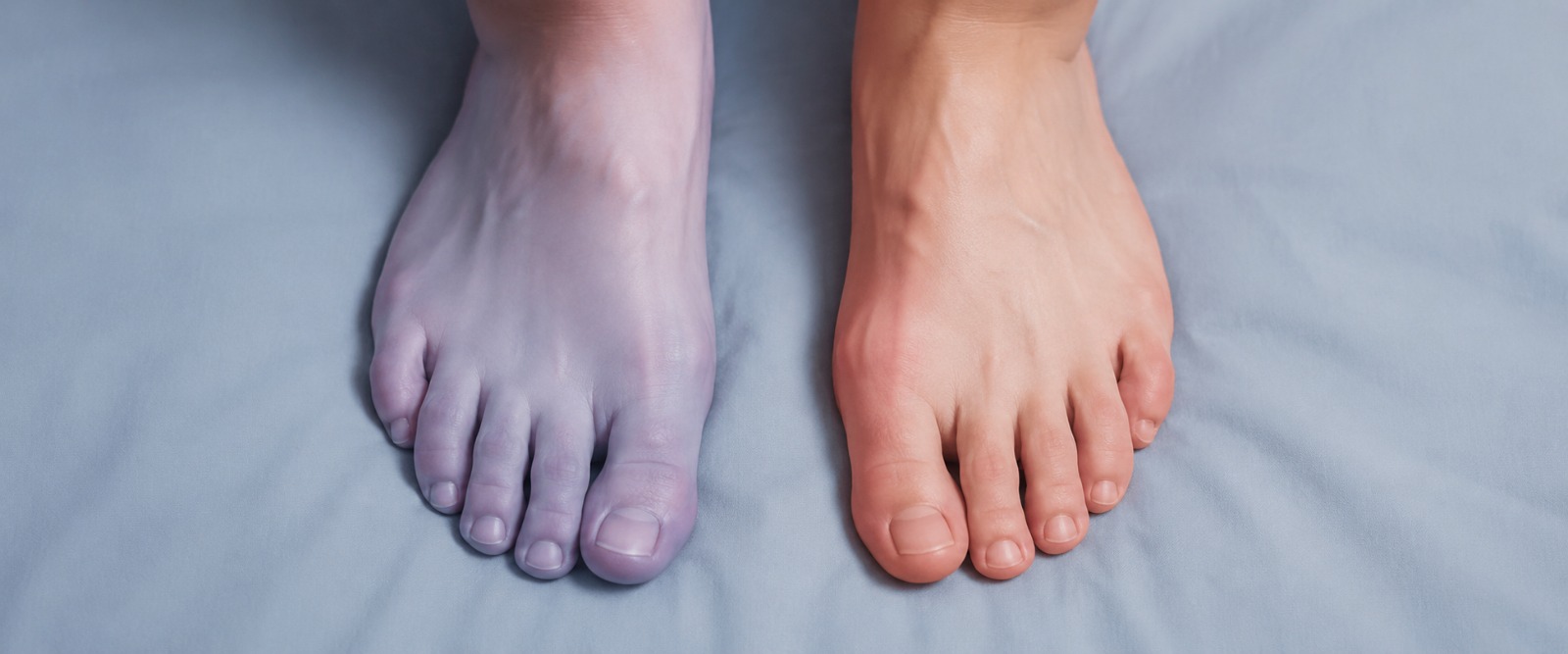
One foot looking colder and paler than the other

Cold, pale or bluish foot

One foot feels colder or looks paler than the other, especially at night.
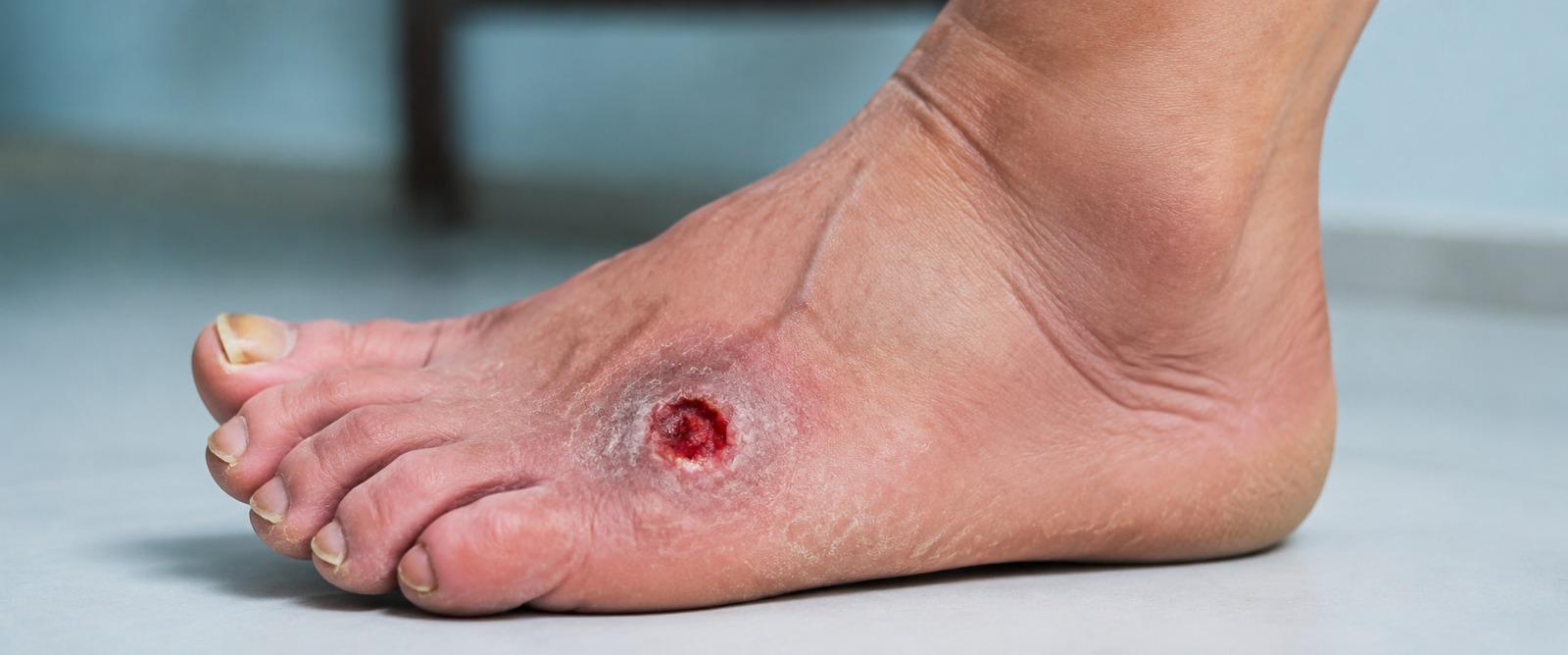
Slow-healing sore on the toes being examined

Wounds that heal slowly

Sores on the toes, feet or ankles that stay open for weeks despite dressings.

Leg feeling numb and heavy after a short walk

Numbness or heaviness

Legs feel weak, heavy or numb after short distances, then recover with rest.
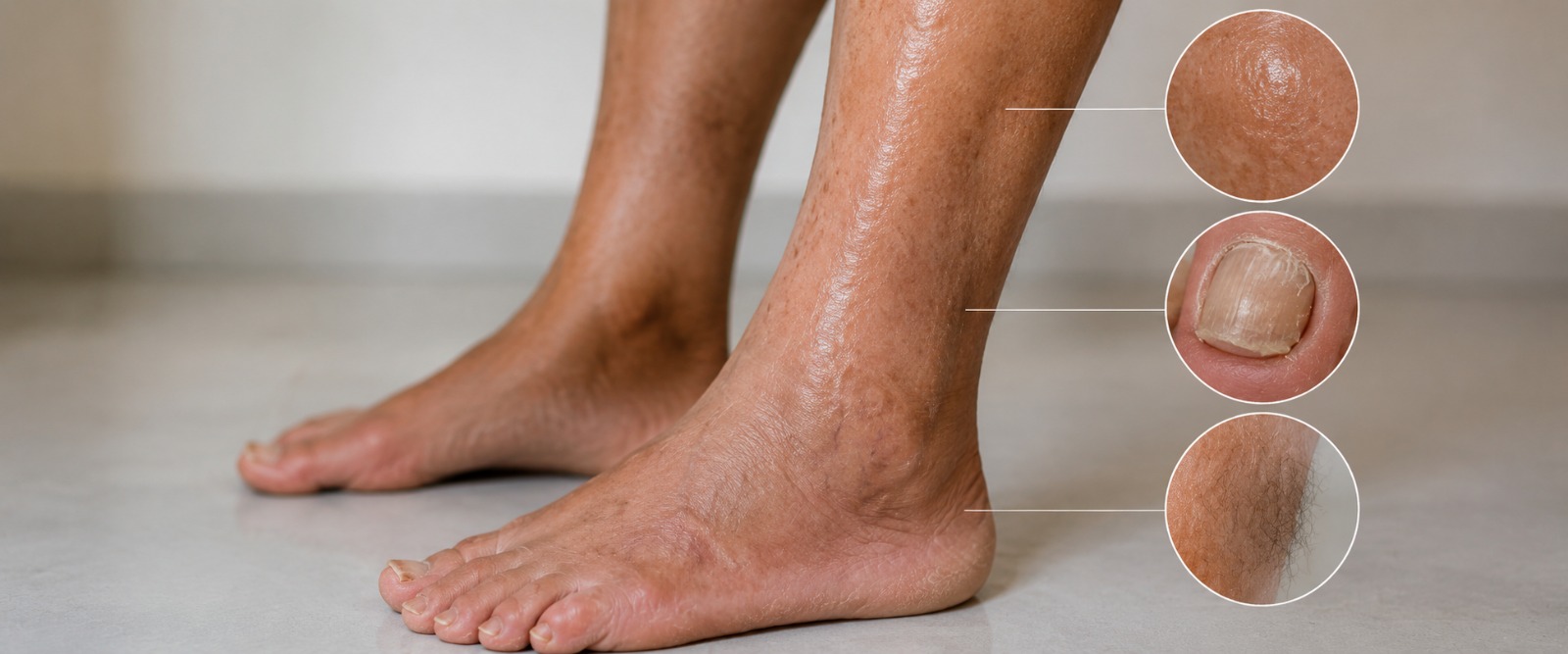
Lower leg with shiny thin skin, hair loss and slow-growing nails

Skin, hair and nail changes

Shiny thin skin, slow-growing nails and hair loss over the lower legs.
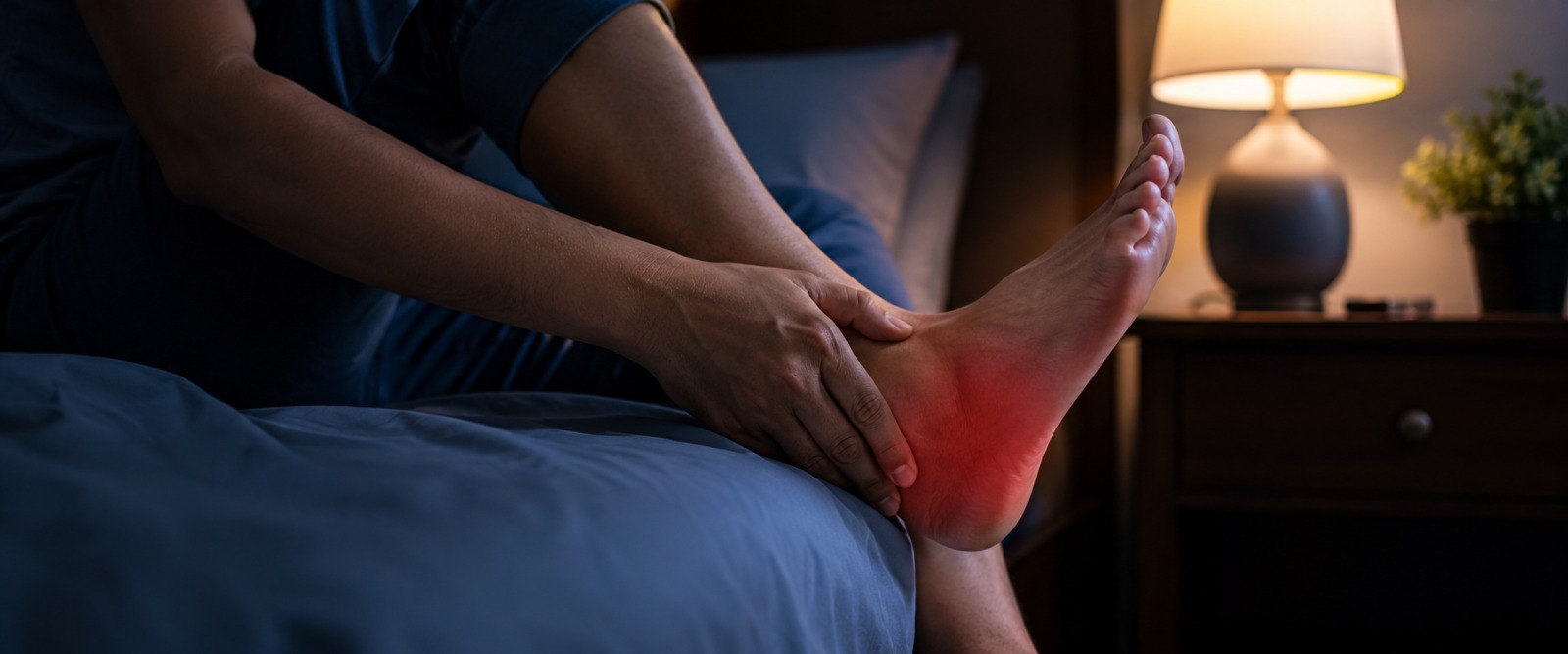
Foot aching at night and hung down over the bed for relief

Rest pain at night

Aching toes or forefoot at night, eased by hanging the foot down — an urgent sign.

Get the label right

Nerves weakness, blockage, stunt: what these words actually mean

Most patients describe PAD in their own words long before any scan. Getting the label right is what shapes the correct treatment plan.

“Nerves weakness”

The most common self-diagnosis for leg pain

Walking pain that eases with rest usually comes from narrowed leg arteries, not nerves

“Sciatica”

Back-nerve pain, often confused with PAD

Sciatica shoots down the leg even at rest; claudication appears on walking and fades on standing still

“Varicose veins”

A vein problem blamed for artery symptoms

Veins return blood; PAD blocks the arteries delivering it — visible veins do not explain walking pain

“Poor circulation”

A vague phrase for cold or numb feet

Often literally true: a plaque-narrowed artery reducing blood flow, measurable with an ABI test

“Blockage in the leg”

How patients describe the diagnosis

A specific narrowing from cholesterol plaque, located and measured on a Doppler or angiogram

“Stunt in the leg”

A common way of saying stent

A stent is a mesh tube placed during angioplasty to hold a narrowed leg artery open

“Diabetic foot”

Assumed to be only a sugar problem

Many diabetic foot wounds fail to heal because PAD limits blood supply; both need treatment

“Gangrene”

The feared end stage

Tissue death from severely blocked flow — early PAD Treatment in KPHB exists to prevent exactly this

Why it happens

Why peripheral arterial disease develops

Atherosclerosis — cholesterol plaque inside the artery wall — is the cause in most cases. Identifying which of these apply to you shapes your Leg Artery Blockage Treatment in KPHB and prevention plan.
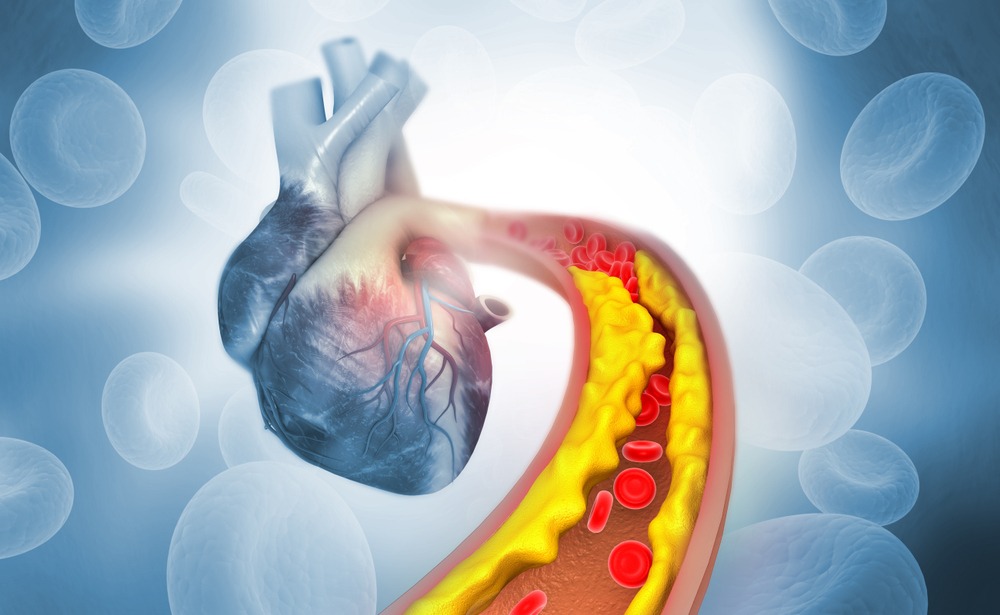
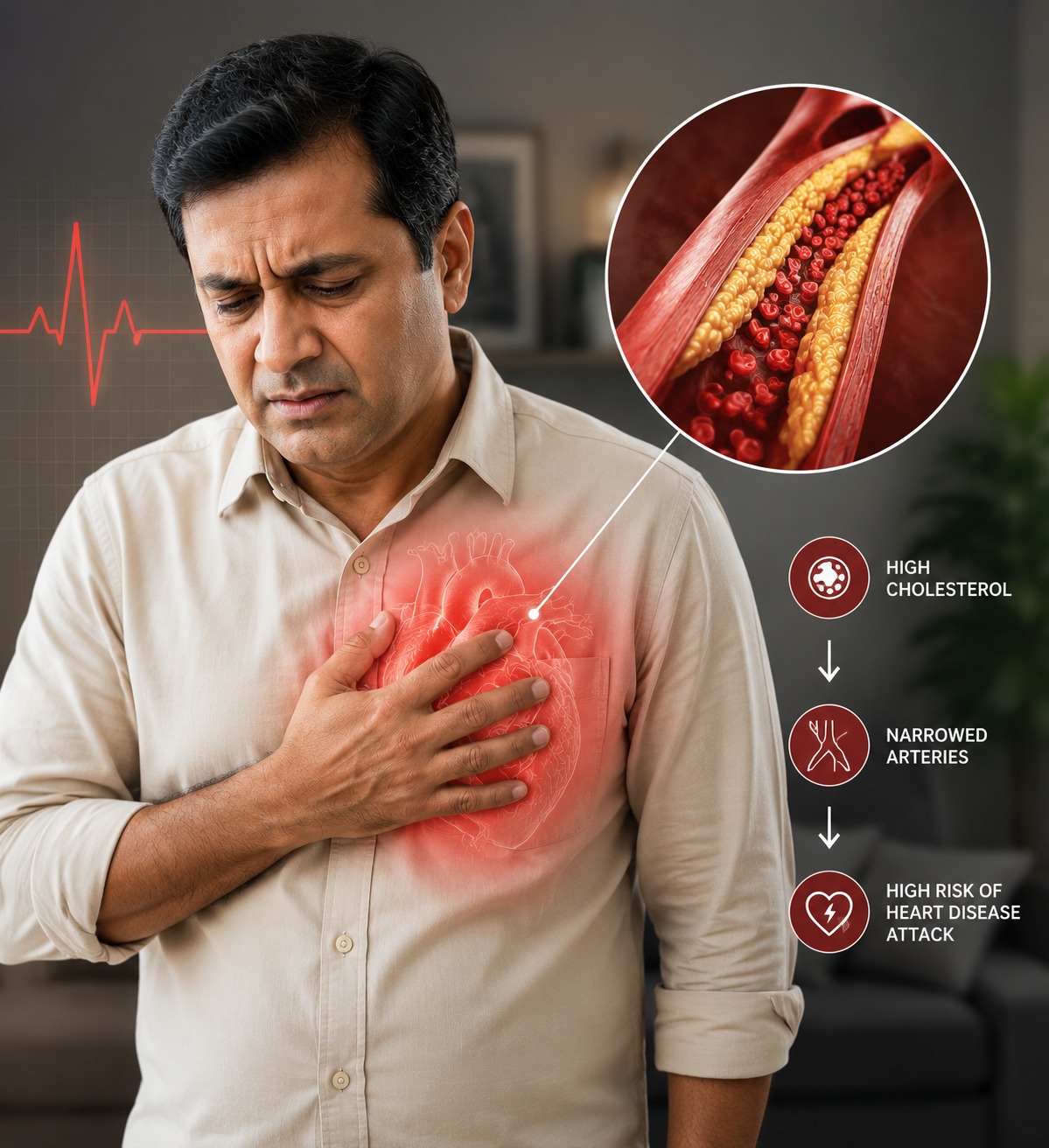
Cholesterol plaque narrowing the inside of a leg artery

High Cholesterol

Excess LDL deposits inside leg artery walls as plaque, gradually narrowing the channel — the same process that blocks heart arteries.

Cigarette smoke damaging the lining of an artery

Smoking and Tobacco

The strongest PAD risk factor; tobacco in any form also damages the artery lining and speeds up blockage.
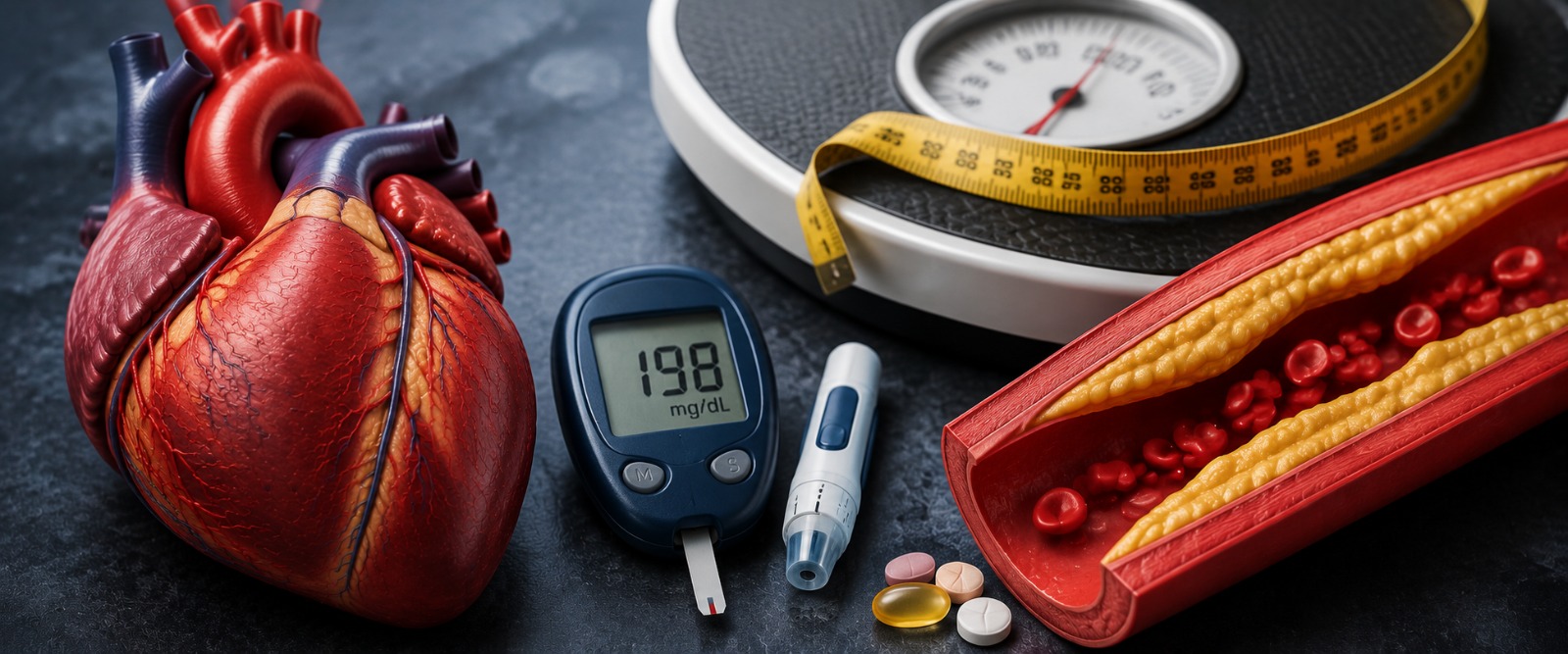
High blood sugar injuring large and small arteries

Diabetes

High sugar injures large and small arteries alike, and often silences the warning pain.
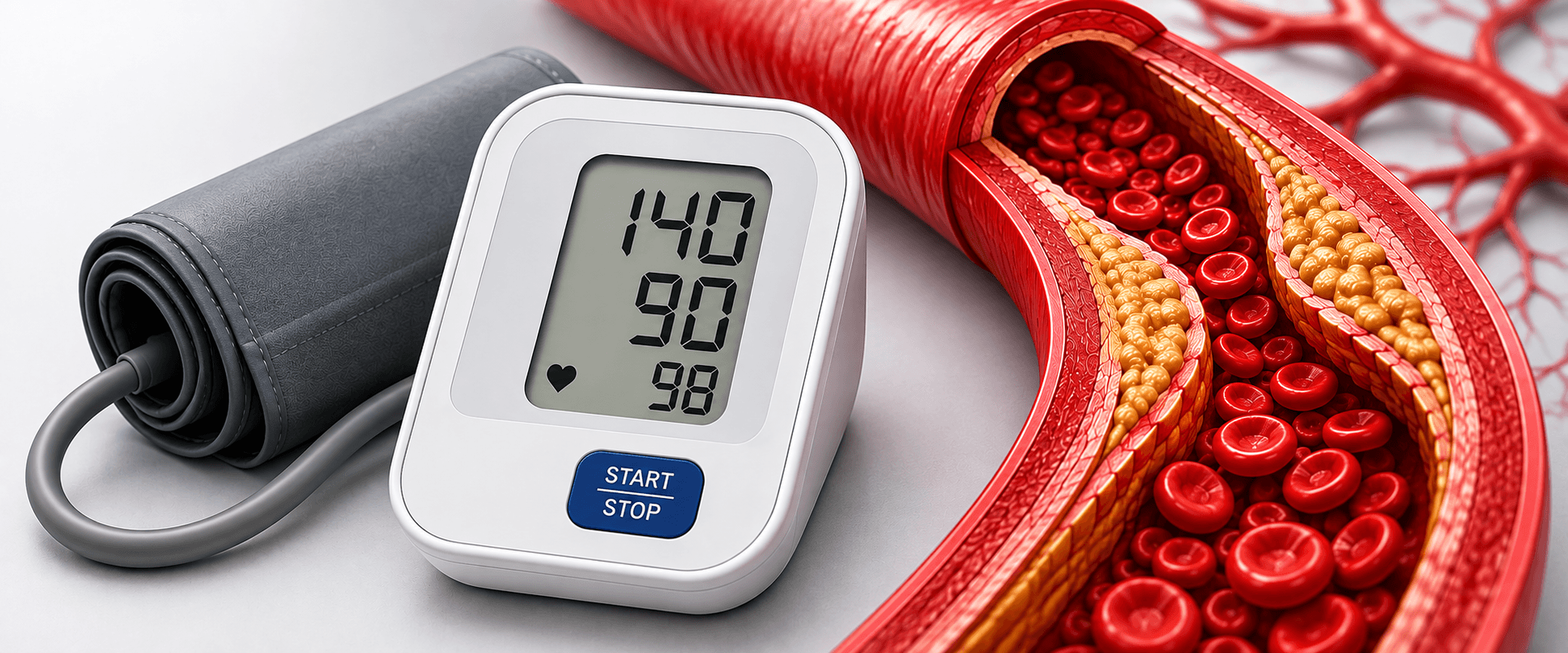
Blood pressure gauge showing high BP

High BP

Constant pressure also injures the artery lining and accelerates plaque build-up over time.
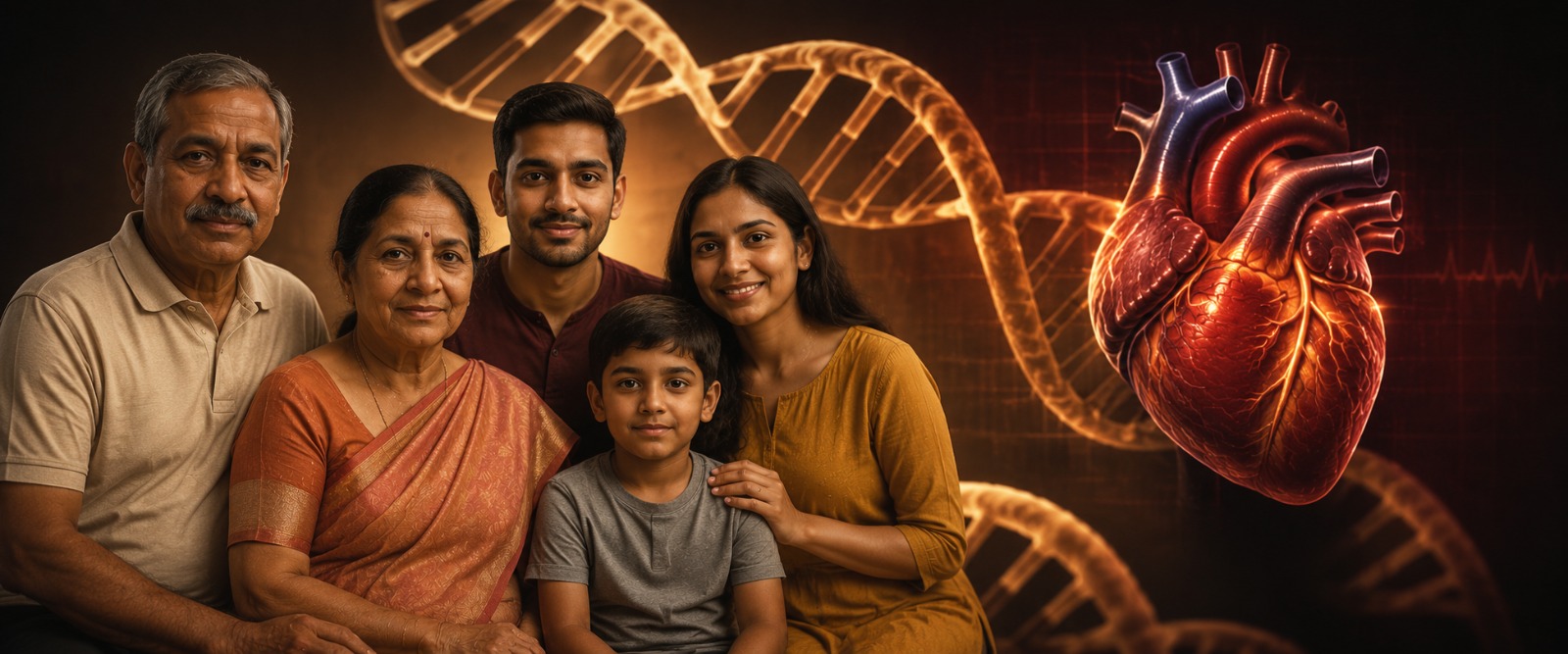
Older adult with a family history of artery disease

Age and Family History

Risk climbs after 50, and earlier when close family members have artery disease.
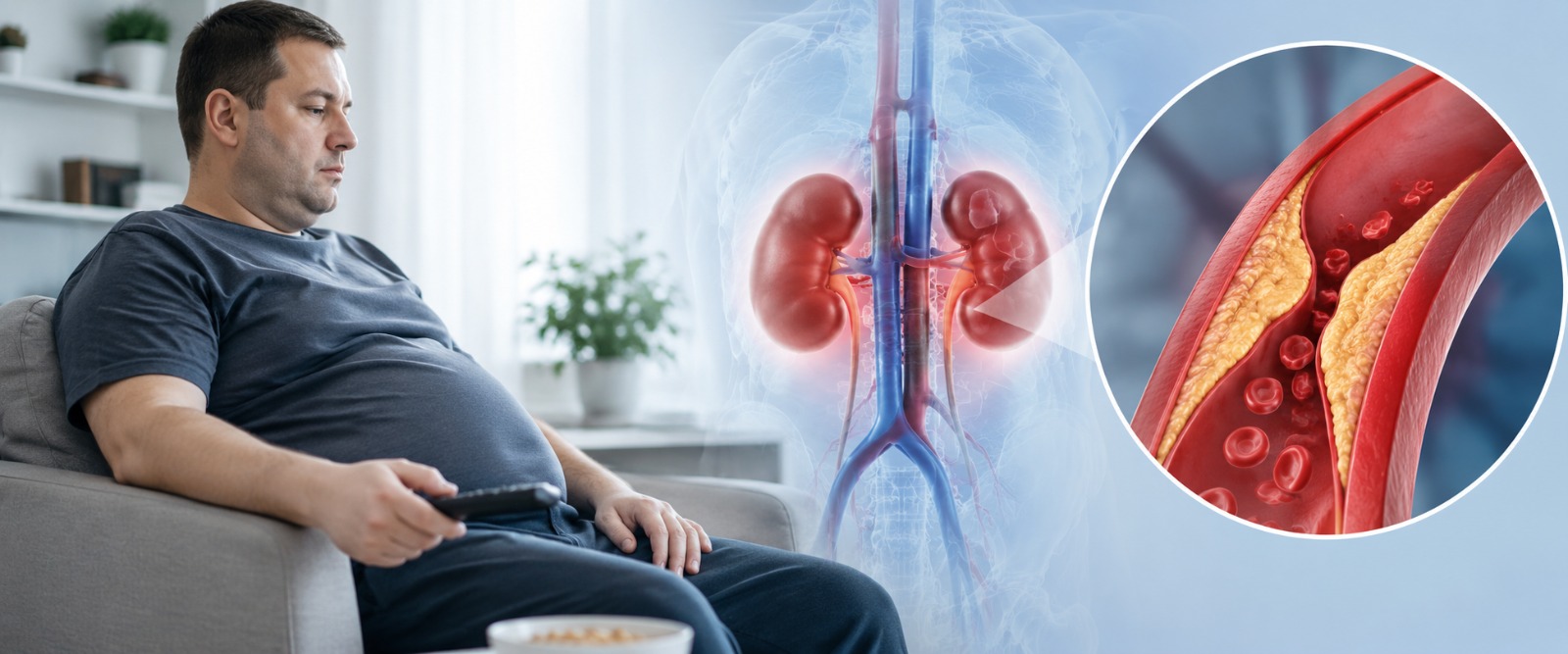
Kidney disease and a sedentary routine speeding up plaque build-up

Kidney Disease and Inactivity

Chronic kidney disease and a sedentary routine both push plaque to grow faster.

Diet and lifestyle

Peripheral Artery Disease Management starts on your plate

Because PAD is a cholesterol problem at its root, food choices directly change how fast plaque grows.

Heart-Healthy Foods to Include

  • Whole grains such as jowar, bajra and oats
  • Dals, legumes and beans
  • Leafy vegetables like palak, methi and gongura
  • Guava, oranges and seasonal fruit
  • Fish or flaxseed for omega-3, plus a few nuts daily

Foods to Limit

  • Deep-fried snacks such as puri, samosa and pakodi
  • Vanaspati, excess ghee and butter
  • Red meat and processed meats
  • Sweets, bakery items and sugary drinks
  • Pickles, papad and foods high in salt
Our diagnostic process

PAD Diagnosis in KPHB

A fixed sequence, in this order — each step decides whether the next one is needed.

  1. 1

    Consultation and History

    Your walking distance, pain pattern, risk factors and family history come first.

  2. 2

    Pulse Examination

    The cardiologist feels the pulses at your groin, knee, ankle and foot on both legs.

  3. 3

    ABI (Ankle-Brachial Index)

    A simple BP-cuff comparison between arm and ankle pressures; quick and painless.

  4. 4

    ECG, 2D Echo and Blood Tests

    A heart screen plus full lipid profile and blood sugar, done in-house the same visit.

  5. 5

    Arterial Doppler Scan

    An ultrasound that maps exactly where the leg artery narrows and by how much.

  6. 6

    CT or Peripheral Angiogram (PAG)

    The confirmatory map of the blockage, arranged and performed at our partner hospitals.

Treatment options

Peripheral Arterial Disease Treatment in KPHB once the blockage is confirmed

Your cardiologist combines these based on your ABI, Doppler findings and overall risk profile.

Structured walk-rest-walk training to extend pain-free distance

Supervised Walking Programme

Structured walk-rest-walk training that builds new collateral channels and steadily extends pain-free distance.

Tablets used in medication-based PAD management

Medication-Based Management

Antiplatelets, statins and cilostazol to improve walking distance, alongside BP and sugar control.
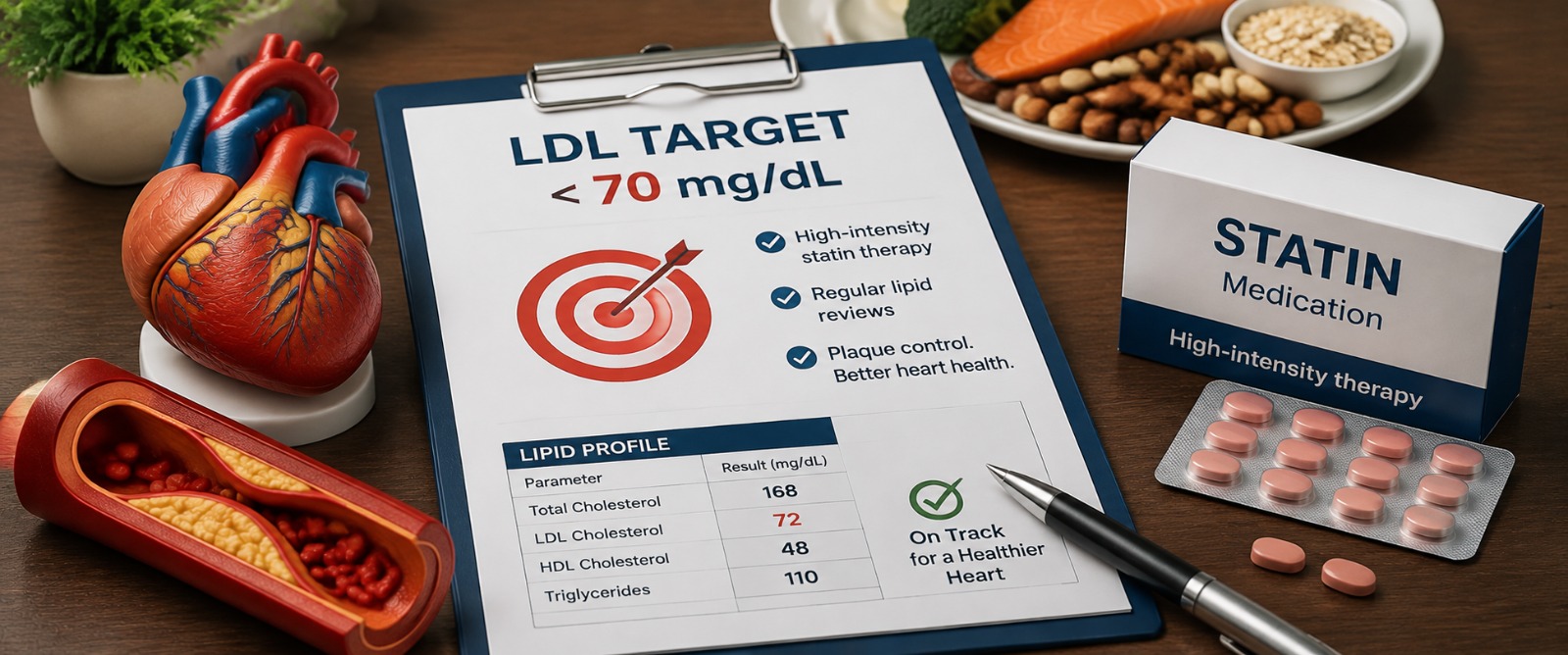
Statin therapy and LDL targets for plaque control

Cholesterol-First Plaque Control

High-intensity statin therapy with clear LDL targets and regular lipid reviews — this clinic’s particular area of focus.
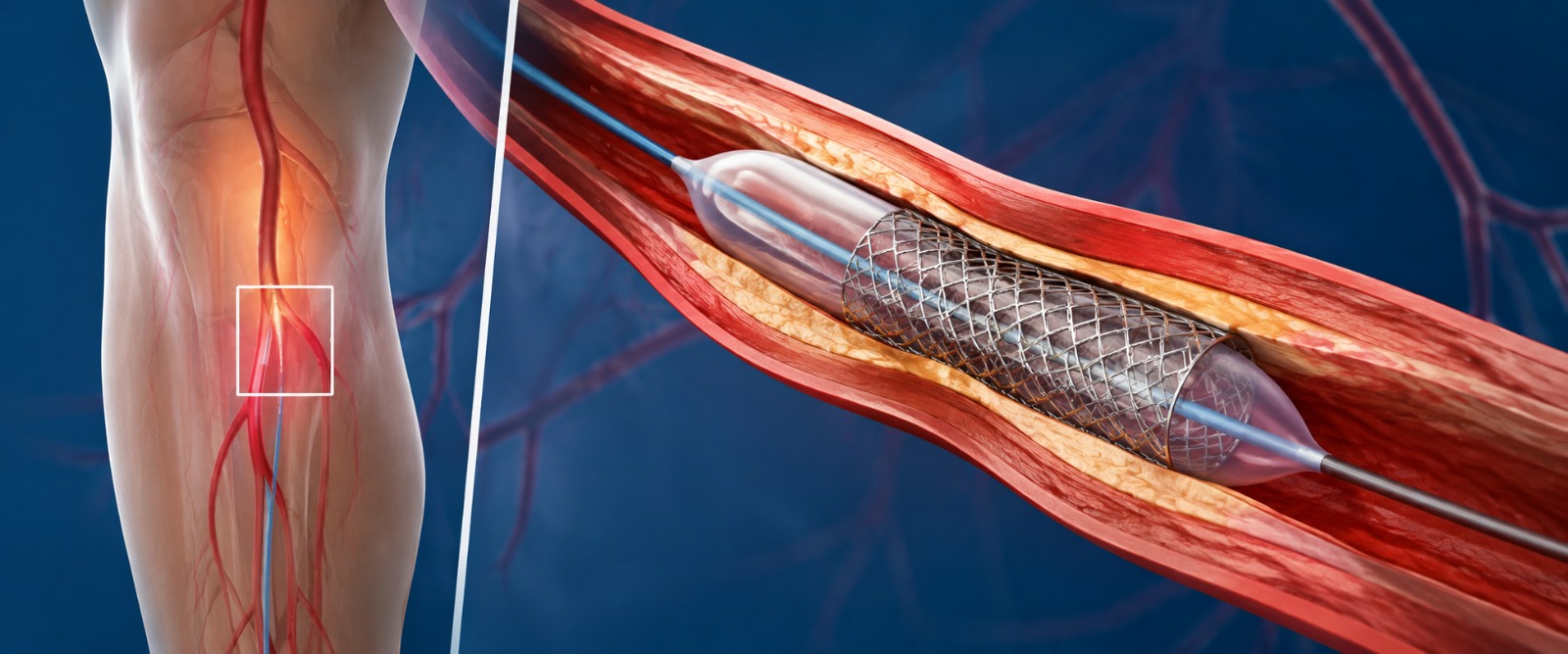
Balloon and stent opening a blocked leg artery

Peripheral Angioplasty and Stenting (PTA)

A catheter-based procedure by our own cardiologists at partner hospitals to open the blocked segment.
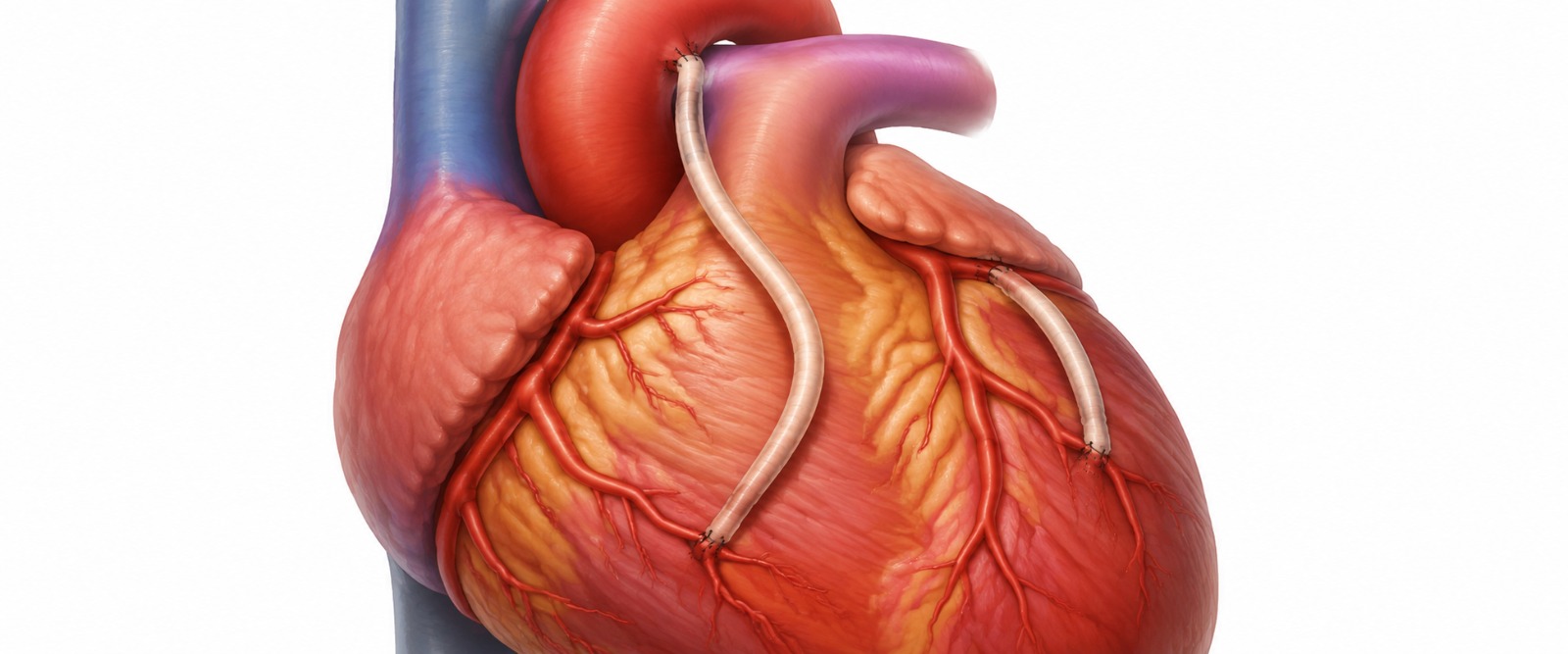
Vascular bypass surgery referral for a long leg artery blockage

Bypass Surgery Referral

For long or complex blockages, we co-ordinate vascular surgery and continue your medical care afterwards.
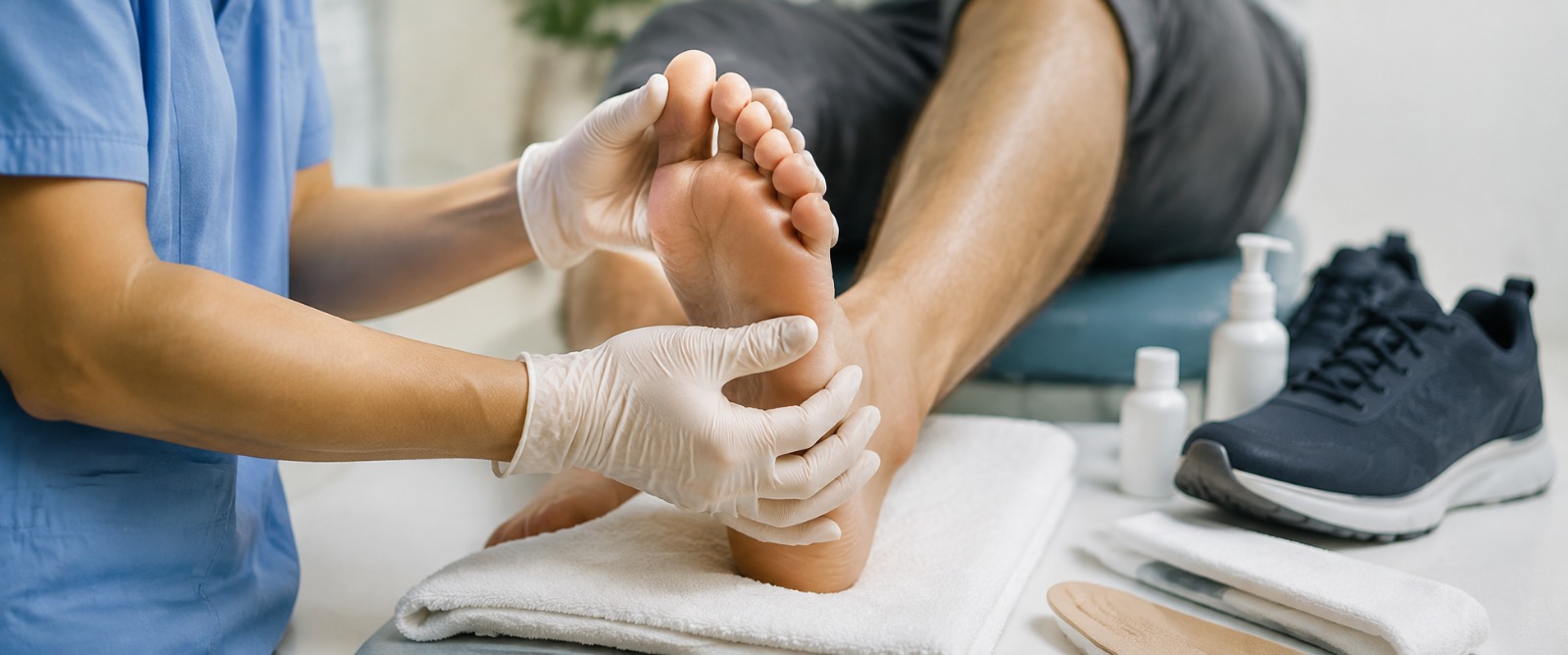
Daily foot check and wound protection for diabetic feet

Foot Care and Wound Protection

Daily foot checks, proper footwear and early wound care, especially for diabetics.

When to consult

When to see a Peripheral Arterial Disease Specialist in KPHB

You do not need a referral at our KPHB Colony clinic, and you should not wait for a wound. Besides, a quick word with a Peripheral Artery Disease Doctor in KPHB costs little and clarifies a lot.

  • Leg pain with a pattern — cramping that starts with walking, eases within minutes of rest, and returns at the same distance.
  • Wounds or colour changes — a sore that will not heal, or one foot colder and paler than the other.
  • Risk factors without symptoms — diabetes, high BP, high cholesterol or smoking, especially above 50.
  • Night pain in the toes — rest pain eased by hanging the foot down; this needs urgent review.

Meet Your Peripheral Artery Disease Doctors in KPHB

The cardiologist who examines your legs also performs the peripheral angiogram or angioplasty if you need one.
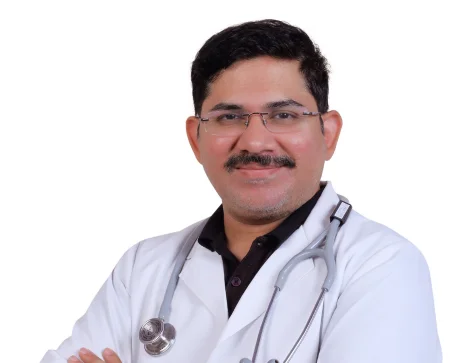
Dr. Arun Kumar Kamisetty, Senior Interventional Cardiologist at Gokul Heart & Cholesterol Clinic, KPHB
Dr. Arun Kumar Kamisetty
MBBS · MD · DM (Cardiology)

Senior Interventional Cardiologist — Gokul Heart & Cholesterol Clinic, KPHB · Senior Consultant Cardiologist, Apollo Hospitals. Formerly HOD of Cardiology at GEM’S Medical College.

15+ years experienceApollo Hospitals, SecunderabadPeripheral & complex PCI
Dr. Naga Chaitanya Karella, Interventional Cardiologist and cholesterol specialist at Gokul Heart & Cholesterol Clinic, KPHB
Dr. Naga Chaitanya Karella
MBBS · MD · DM (Cardiology)

Interventional Cardiologist — Gokul Heart & Cholesterol Clinic, KPHB. Gold medallist in DM Cardiology at KNR University of Health Sciences, and a specialist in cholesterol and hypertension management.

12+ years experienceGold Medallist, DM CardiologyCholesterol & hypertension

Do not wait for a wound. Get your legs checked.

If calf pain, numb feet or a slow-healing sore keeps returning, one consultation can tell you why. Book Peripheral Arterial Disease Treatment in KPHB with our interventional cardiologists.

  • Gokul Heart & Cholesterol Clinic
    KPHB Colony, Kukatpally, Hyderabad, Telangana
  • Mon – Sat 6:00 PM – 9:00 PM  ·  Sun 10:00 AM – 1:00 PM
  • 89196 07118
  • info@gokulheartcholesterolclinic.com
FAQs

Peripheral Arterial Disease Treatment in KPHB — common questions

What is the best treatment for peripheral arterial disease?

The best peripheral arterial disease treatment in KPHB depends on how severe the blockage is. Early PAD responds well to a walking programme, statins and antiplatelets, while advanced blockages may need angioplasty.

Can peripheral arterial disease be cured completely?

PAD cannot usually be reversed completely, but strict cholesterol control and walking therapy can halt its progression. Most patients regain a comfortable walking distance with the right peripheral artery disease treatment in KPHB.

Is walking good for peripheral artery disease?

Yes, walking is the single most effective exercise for PAD. A supervised walk-rest-walk routine builds collateral blood channels and steadily extends your pain-free distance.

Is the ABI test painful?

No, the ABI test only uses BP cuffs on your arm and ankle. It is quick, painless and forms the first step of PAD Diagnosis in KPHB.

How is cholesterol linked to PAD?

Cholesterol plaque is the root cause of most PAD. Consequently, lowering LDL with statins is central to long-term peripheral artery disease management, and it is this clinic’s core focus.

Can PAD cause a heart attack or stroke?

Yes, indirectly. The same plaque process usually affects heart and neck arteries too, so every PAD patient gets a heart screen with ECG and 2D Echo at our clinic.

What does PAD Treatment in KPHB cost?

Costs depend on the tests and treatment you need. A consultation with pulse examination and ABI is affordable. Moreover, our team explains any further costs before you proceed.
Call Now Button