Subscribe to out newsletter today to receive latest news administrate cost effective for tactical data.

Let’s Stay In Touch

Shopping cart

Subtotal $0.00

View cartCheckout

Coronary Artery Disease Treatment in KPHB, Hyderabad | Gokul Heart & Cholesterol Clinic
Coronary Artery Disease Treatment

Coronary Artery Disease Treatment in KPHB, Hyderabad

Coronary Artery Disease Treatment in KPHB starts with pinpointing exactly which artery is narrowed, and by how much, not just another tablet for chest discomfort that keeps returning. At Gokul Heart & Cholesterol Clinic, KPHB Colony, our interventional cardiologists confirm the diagnosis using ECG, TMT and a full lipid profile, then treat what they find.

Chest discomfort or breathless on exertion? Get an artery-specific diagnosis, not just another tablet.

Mon – Sat 6:00 PM – 9:00 PM  ·  Sunday 10:00 AM – 1:00 PM

Same-day
ECG & TMT
DM
Cardiology specialists
Walk-ins
Accepted
KPHB
Kukatpally, Hyderabad
What it is

Coronary artery disease evaluation: the step before treatment

Coronary Artery Disease Treatment in KPHB begins with one question: which artery is narrowed, and by how much? A cardiologist takes your history, examines you, and reads your ECG, TMT and lipid profile to map the risk precisely.

Chest discomfort can come from the heart, the stomach, muscles or anxiety. Coronary artery disease treatment in KPHB starts with knowing which — the reason most people look for a Coronary Artery Disease Specialist in KPHB rather than simply live with it.

At our KPHB Colony clinic, the same interventional cardiologists who read your ECG and TMT would also perform an angioplasty if your angiogram shows a significant blockage, continuing as ongoing coronary artery disease management where the findings call for it.

ECG and cardiac monitoring for coronary artery disease evaluation at Gokul Heart & Cholesterol Clinic, KPHB
Symptoms

Is my chest discomfort heart related? What CAD feels like

Occasional discomfort after a heavy meal or unusual exertion is normal. Chest pain that repeats with activity, spreads to your arm or jaw, or comes with breathlessness is not — that is worth a consultation.

Illustration of an irregular, racing heartbeat

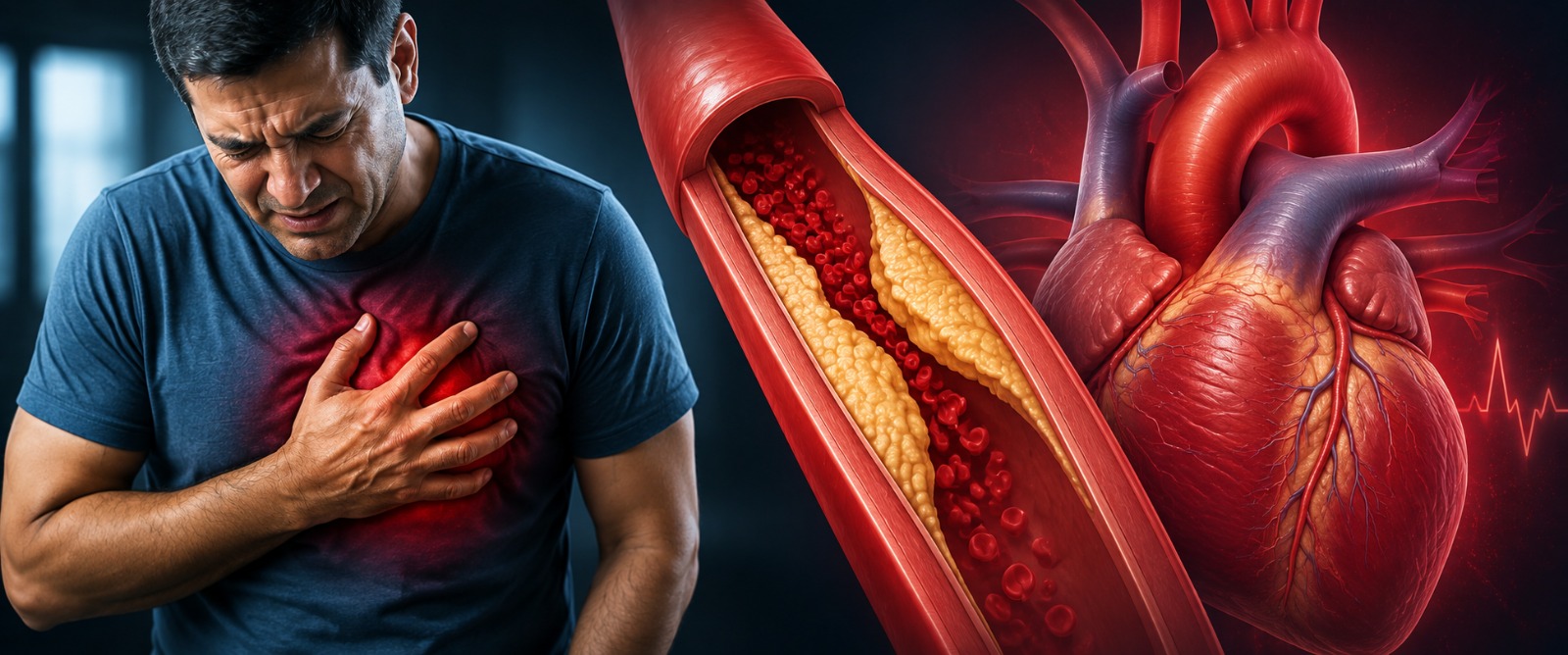
Chest pain or heaviness

Angina: a squeezing pressure or heaviness in the chest, often triggered by exertion or stress.

Person feeling unusually tired with reduced exercise capacity

Persistent fatigue

Unusual tiredness or a noticeable drop in stamina during daily activity.
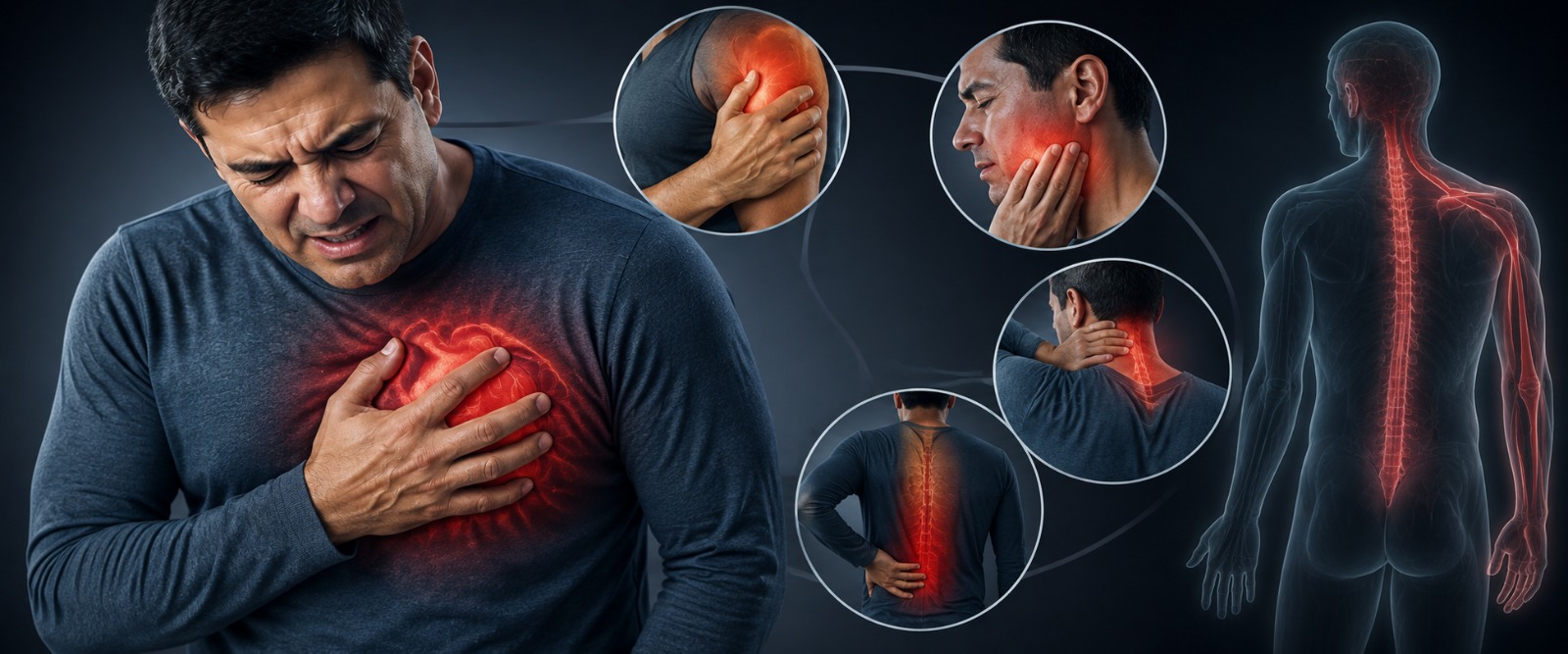
Illustration of an irregular, racing heartbeat

Pain that spreads

Discomfort radiating to the arm, jaw, neck or back, sometimes without obvious chest pain.
Person short of breath after mild activity

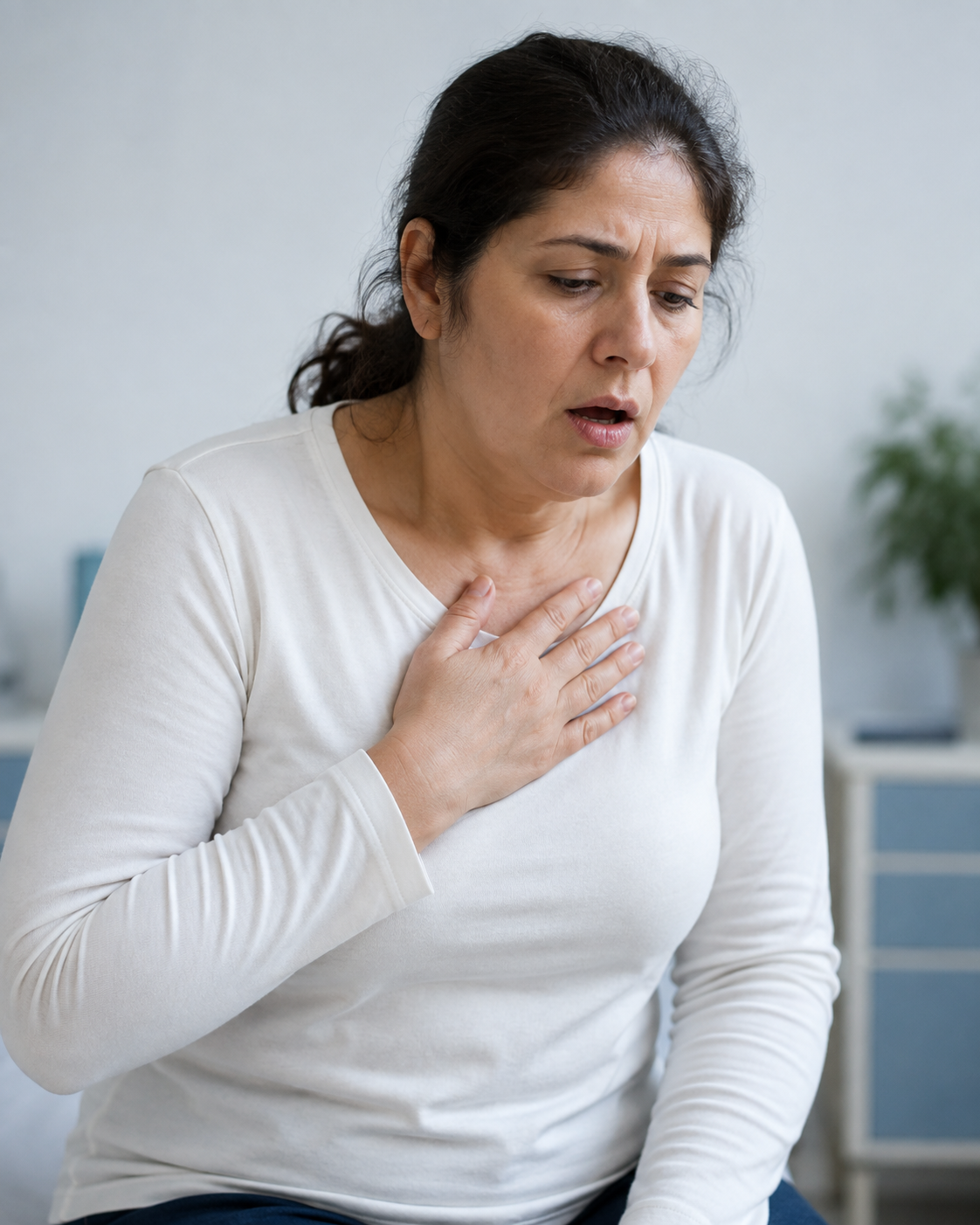
Breathlessness

Breathlessness during exertion, easing with a few minutes of rest in early-stage CAD.
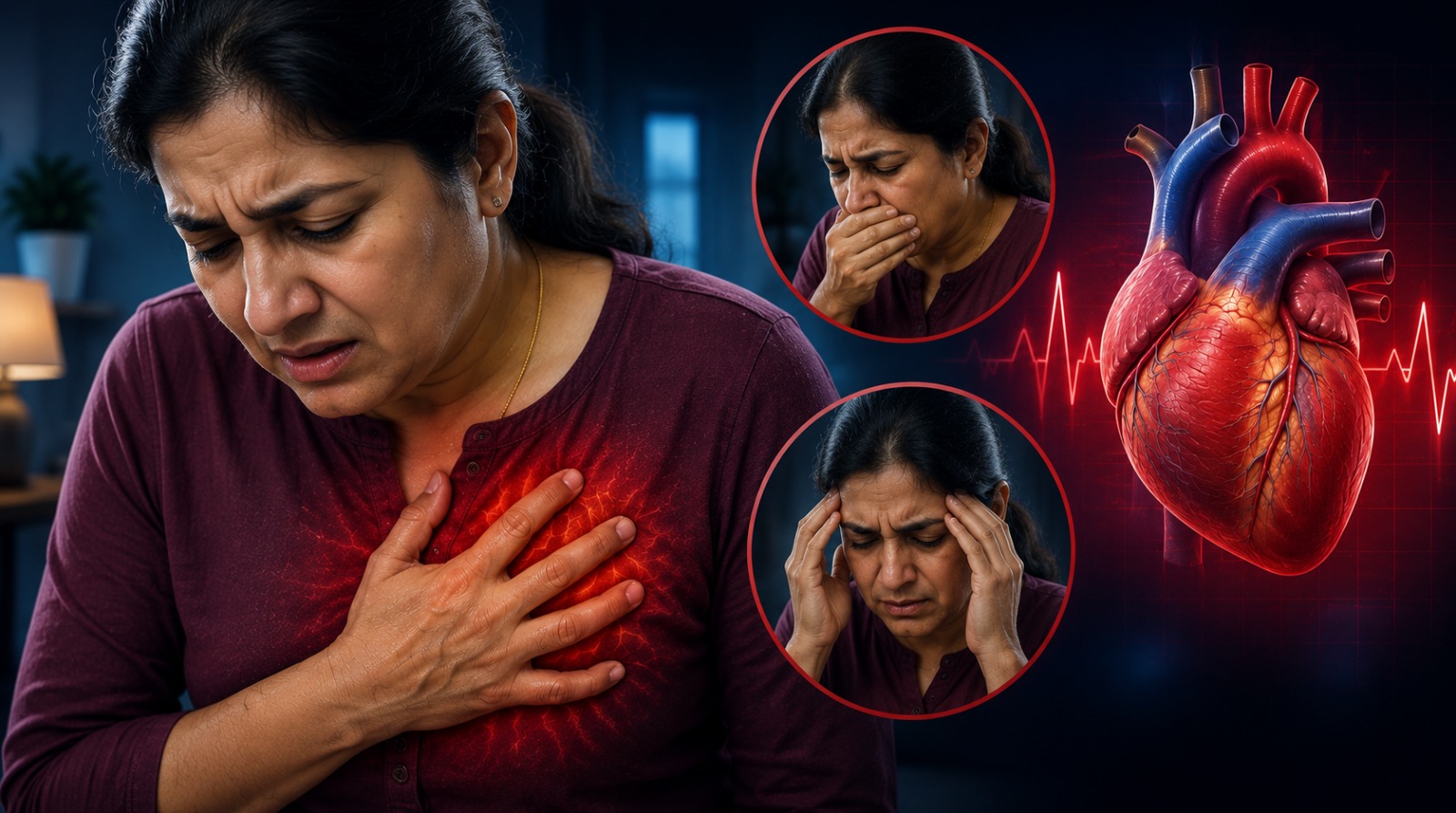
Illustration of an irregular, racing heartbeat

Sweating, nausea or dizziness

Cold sweat, nausea or lightheadedness alongside chest discomfort.

Illustration of an irregular, racing heartbeat

Palpitations

A racing, fluttering, or uneven pulse that you can feel yourself.

Get the label right

Cholesterol, blockage, stent: what these terms actually mean

Most patients arrive having already looked up half these terms. Getting the label right is what shapes the correct coronary artery disease treatment in KPHB.

"Blockage"

A vague word for "something wrong"

A specific narrowing from plaque in one or more coronary arteries, measured and located on an angiogram

"Stent"

Assumed to be a permanent fix

A mesh tube that holds one narrowed artery open; it does not stop new plaque forming elsewhere

"Silent heart attack"

Assumed to mean nothing serious happened

A heart attack with few or no symptoms, common in diabetics, that still damages heart muscle

"Blood thinner"

What patients call their daily tablet

Does not thin the blood; it stops platelets clumping together to form a clot

"Angioplasty"

Often confused with bypass surgery

A catheter-based procedure to open one blocked artery, different from open-heart bypass

"Cholesterol"

Assumed to be a single number to watch

LDL, HDL and triglycerides each matter separately for coronary artery disease management

"Stress test"

Assumed to diagnose a blockage directly

Shows how the heart performs under exertion; a positive TMT is confirmed with an angiogram

"Bypass"

Assumed to remove the blockage

Does not remove it — creates a new route for blood to flow around the narrowed artery

Why it happens

Why coronary artery disease develops

Identifying which of these apply to you shapes your entire treatment and prevention plan.
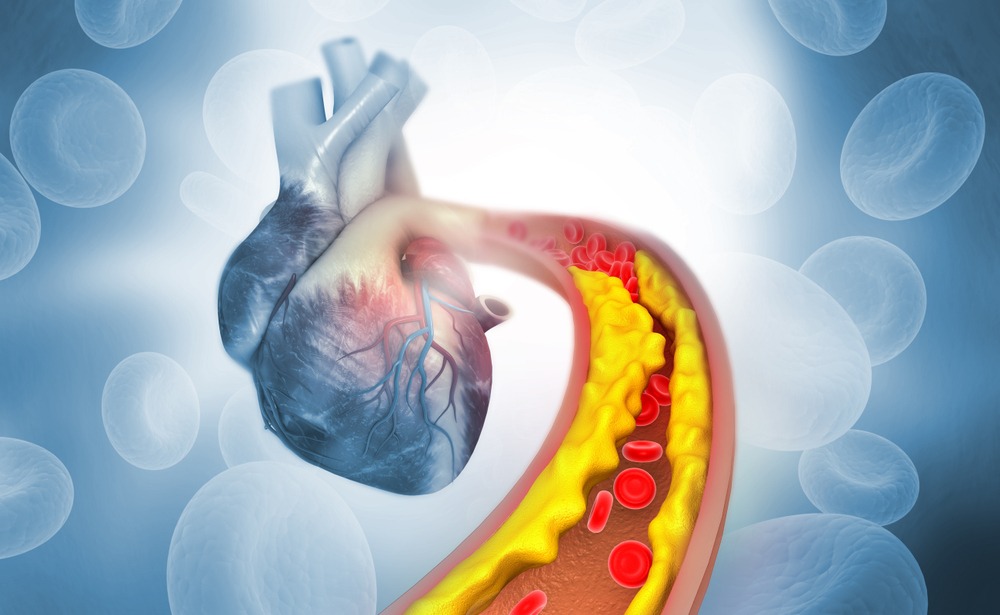
Illustration of an irregular, racing heartbeat

High Cholesterol

Excess LDL cholesterol deposits inside artery walls as plaque, gradually narrowing the space for blood to flow.
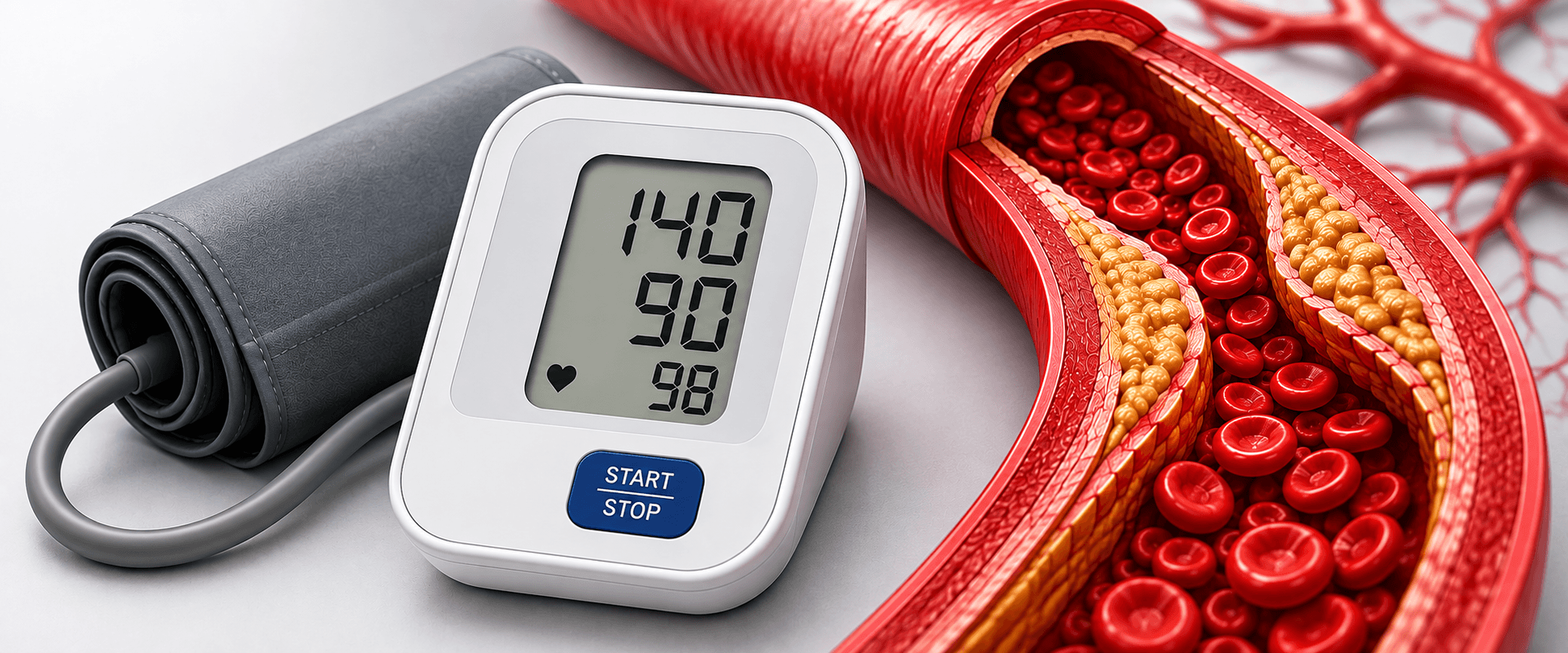
Illustration of an irregular, racing heartbeat

High Blood Pressure

Uncontrolled hypertension damages artery walls and speeds up plaque build-up over time.
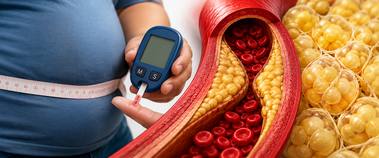
Illustration of an irregular, racing heartbeat

Diabetes and Obesity

Both add strain to the arteries and accelerate plaque formation, often years earlier than expected.
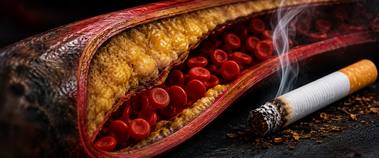
Illustration of an irregular, racing heartbeat

Smoking and Tobacco

Damages the artery lining directly and lowers protective HDL cholesterol.
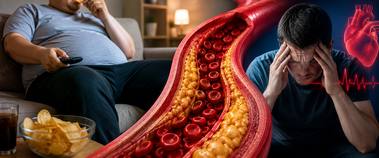
Illustration of an irregular, racing heartbeat

Sedentary Lifestyle and Stress

Physical inactivity and chronic stress both raise cholesterol and blood pressure over time.
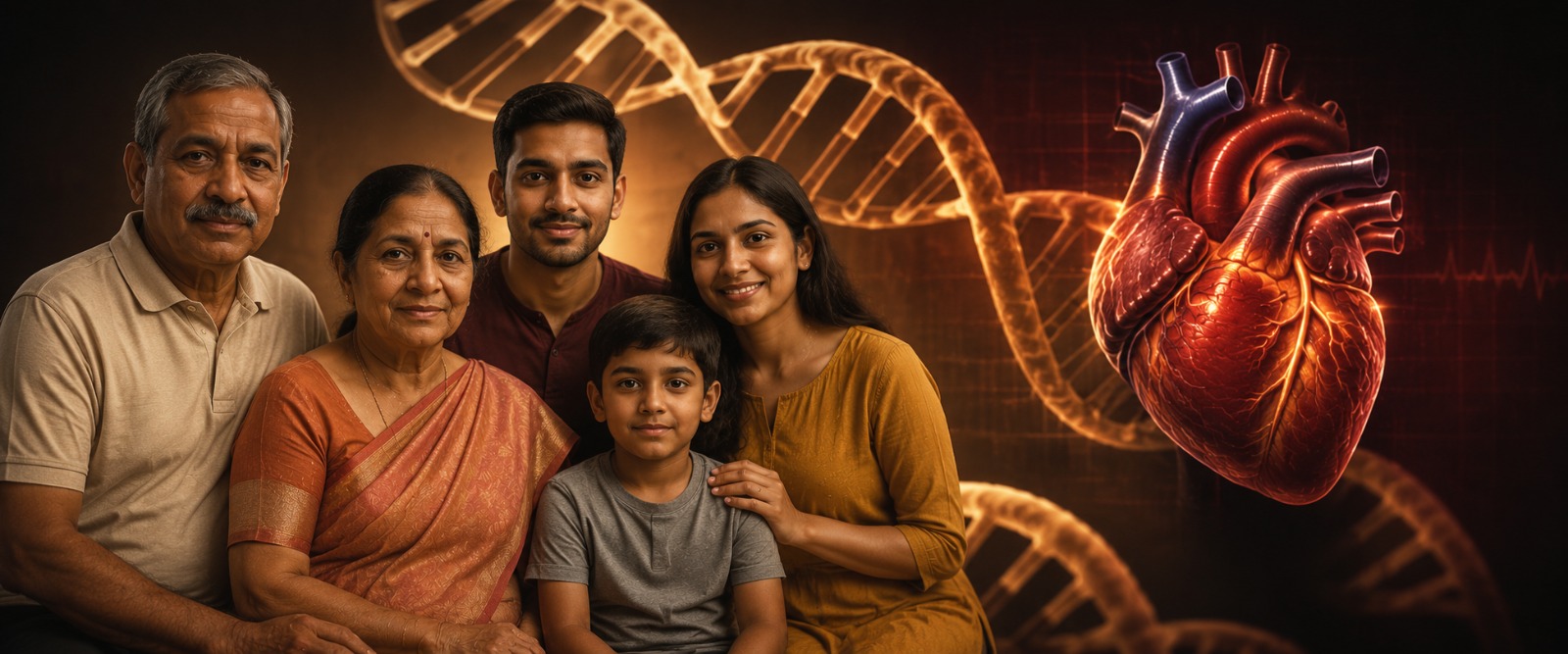
Illustration of an irregular, racing heartbeat

Family History and Genetics

South Asians carry a higher genetic risk and often develop CAD five to ten years earlier than Western populations.

Diet and lifestyle

Coronary Artery Disease Management starts on your plate

Small, consistent changes to what is on your plate often outperform drastic short-term efforts.

Heart-Healthy Foods to Include

  • Fresh fruits and green leafy vegetables
  • Whole grains such as millets, oats and brown rice
  • Pulses, legumes and beans
  • Nuts like almonds and walnuts, in small portions
  • Fish or plant-based omega-3 sources such as flaxseed

Foods to Limit

  • Deep-fried snacks such as samosas and pakoras
  • Excess ghee, butter and full-fat dairy
  • Red meat and processed meat products
  • Sweets, bakery items and sugary beverages
  • Pickles and foods high in added salt
Our diagnostic process

CAD Diagnosis in KPHB

A fixed sequence, in this order — each step decides whether the next one is needed.

1

Consultation and History

Your symptoms, risk factors and family history, often enough to suspect the diagnosis.

2

Physical Examination

Checking pulse, blood pressure and signs that point toward coronary artery disease.

3

ECG and Blood Tests

Electrical activity of the heart, plus a full lipid profile and blood sugar.

4

TMT (Treadmill Test)

Checking how your heart performs under physical exertion.

5

CT Coronary Angiography

A non-invasive scan showing blockages and calcium build-up, when needed.

6

Coronary Angiography

The gold-standard test; a catheter and contrast dye map any blockage directly.

Treatment options

Coronary artery disease treatment options once the blockage is confirmed

Your cardiologist combines these based on your angiogram findings and overall risk profile.
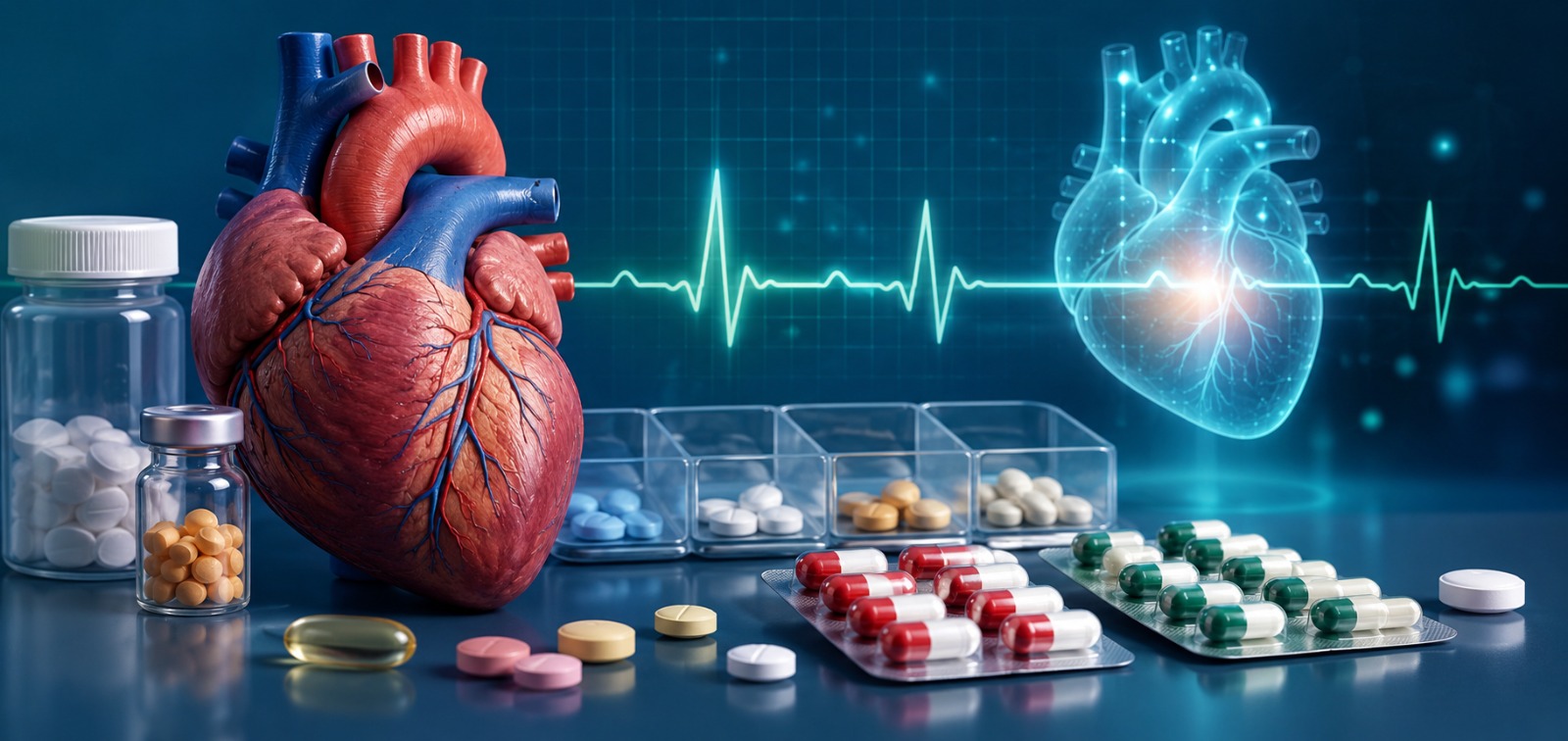
Illustration of an irregular, racing heartbeat

Medication-Based Management

Statins, antiplatelets, beta-blockers and ACE inhibitors or ARBs, tailored to your risk profile.

Illustration of an irregular, racing heartbeat

Lifestyle and Activity

Quitting smoking, regular activity and stress management, alongside your diet plan.
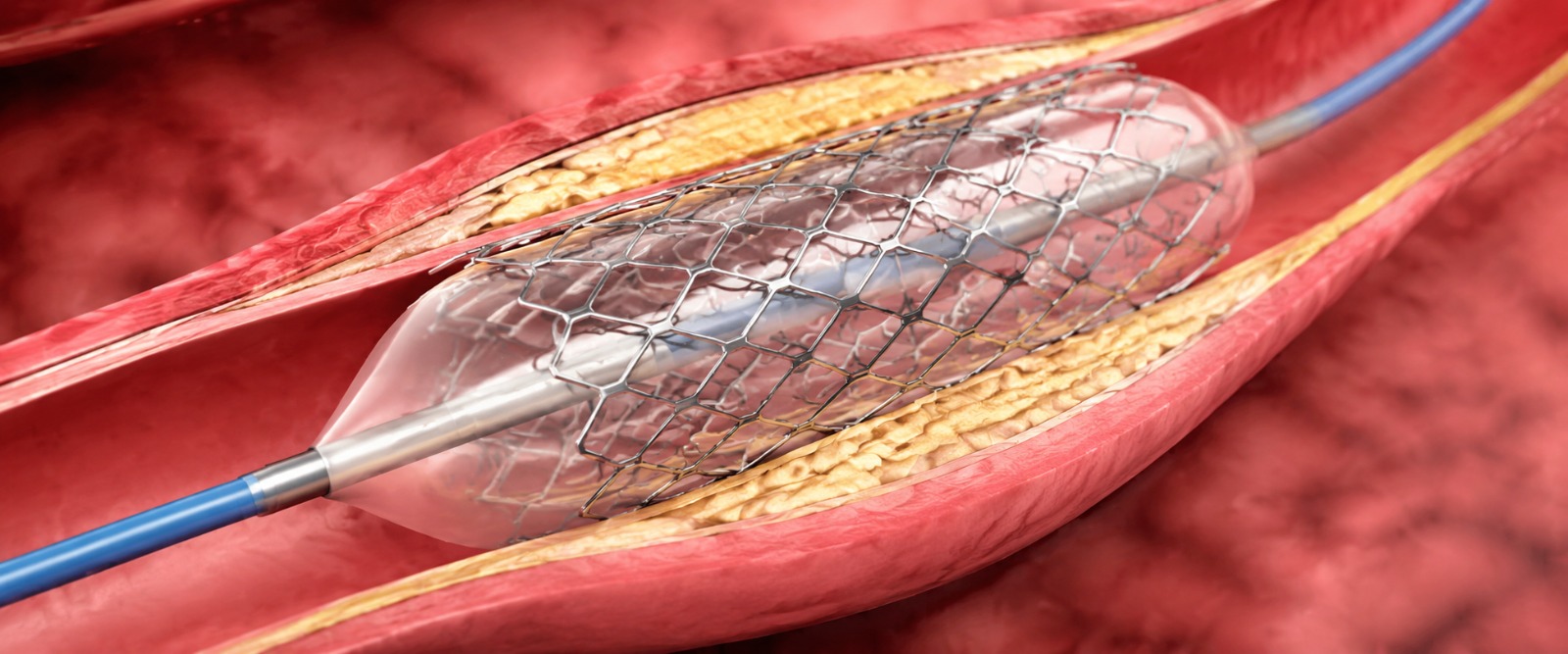
Illustration of an irregular, racing heartbeat

Angioplasty and Stenting

A catheter-based procedure to open a blocked artery and hold it open with a stent.
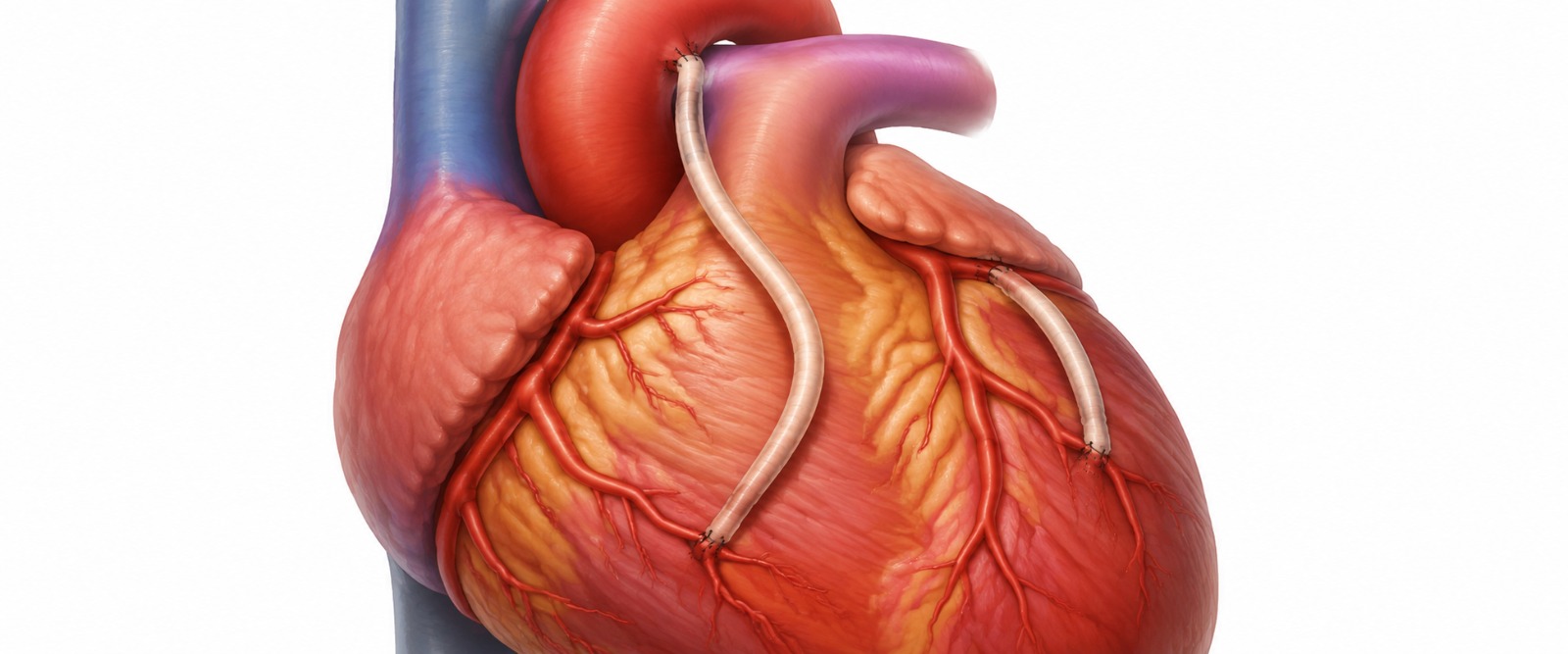
Illustration of an irregular, racing heartbeat

Bypass Surgery (CABG)

For extensive or complex blockages, rerouting blood flow around the narrowed artery.

Illustration of an irregular, racing heartbeat

Cardiac Rehabilitation

Supervised exercise and lifestyle counselling to support long-term recovery.
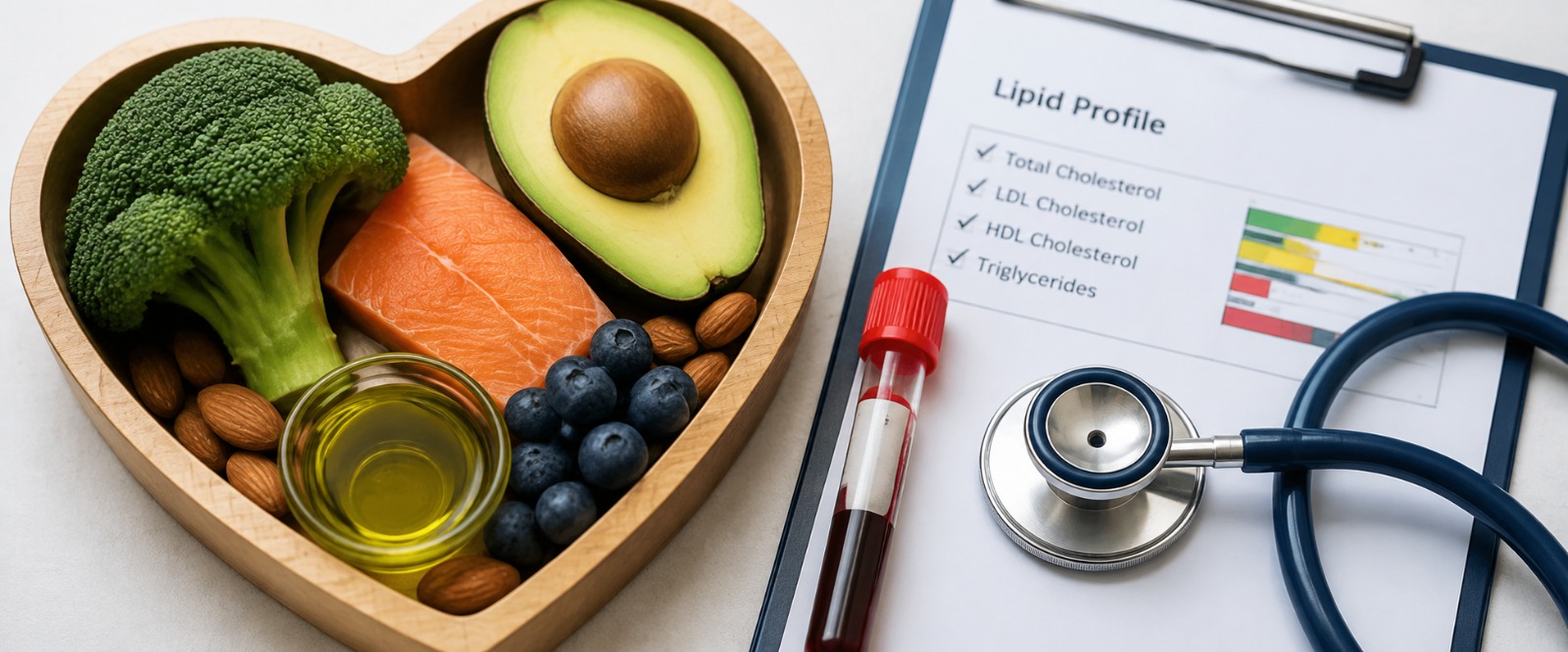
Illustration of an irregular, racing heartbeat

Lipid and Cholesterol Management

Ongoing cholesterol monitoring and treatment — this clinic’s particular area of focus.

When to consult

When to see a Coronary Artery Disease Specialist in KPHB

You do not need a referral to see a cardiologist for chest discomfort at our KPHB Colony clinic, and you do not need to wait until it becomes severe.

  • Chest discomfort on exertion — heaviness, tightness or pain when you walk fast, climb stairs or feel stressed, that eases with rest.
  • Breathlessness that does not add up — breathlessness out of proportion to your activity level, especially if it is new.
  • Risk factors without symptoms — diabetes, high BP, high cholesterol or a family history of heart disease, even without chest pain.
  • A previous cardiac event — a past heart attack, stent or bypass, or chest discomfort despite ongoing treatment.

Meet Your Coronary Artery Disease Doctors in KPHB

Your evaluation, and any angioplasty it leads to, is carried out by the same interventional cardiologists throughout.

Dr. Arun Kumar Kamisetty, Senior Interventional Cardiologist at Gokul Heart & Cholesterol Clinic, KPHB

Dr. Arun Kumar Kamisetty

MBBS · MD · DM (Cardiology)

Senior Interventional Cardiologist — Gokul Heart & Cholesterol Clinic, KPHB · Senior Consultant Cardiologist, Apollo Hospitals. Formerly HOD of Cardiology at GEM’S Medical College.
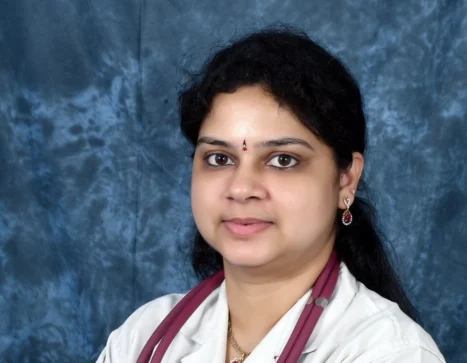
15+ years experienceApollo Hospitals, SecunderabadComplex PCI & CTO
Dr. Naga Chaitanya Karella, Interventional Cardiologist and cholesterol specialist at Gokul Heart & Cholesterol Clinic, KPHB

Dr. Naga Chaitanya Karella

MBBS · MD · DM (Cardiology)

Interventional Cardiologist — Gokul Heart & Cholesterol Clinic, KPHB. Gold medallist in DM Cardiology at KNR University of Health Sciences, and a specialist in cholesterol and hypertension management.

12+ years experienceGold Medallist, DM CardiologyCholesterol & hypertension

Stop guessing which tablet to take next. Get a clear diagnosis.

If chest discomfort or breathlessness keeps returning, one consultation can tell you why. Book Coronary Artery Disease Treatment in KPHB with our interventional cardiologists.

  • Gokul Heart & Cholesterol Clinic
    KPHB Colony, Kukatpally, Hyderabad, Telangana
  • Mon – Sat 6:00 PM – 9:00 PM  ·  Sun 10:00 AM – 1:00 PM
  • 89196 07118
  • info@gokulheartcholesterolclinic.com
FAQs

Coronary Artery Disease Treatment in KPHB — common questions

What treatment options are available for coronary artery disease?

Treatment ranges from lifestyle change and medication to angioplasty with stenting, and for extensive blockages, bypass surgery. Your cardiologist recommends the right combination based on your angiogram findings.

Can coronary artery disease be reversed completely?

CAD cannot usually be reversed completely, but strict lipid control and lifestyle change can slow or halt its progression significantly. Most patients manage it very effectively for years with the right coronary artery disease treatment in KPHB.

How is coronary artery disease different from a heart attack?

Coronary artery disease is the underlying narrowing of the arteries. A heart attack happens when a blockage becomes sudden and complete, cutting off blood flow entirely.

What tests confirm a diagnosis of coronary artery disease?

Doctors typically start with an ECG and a lipid profile, then use a TMT or CT coronary angiography, confirming significant blockages with a coronary angiogram.

What lifestyle changes help manage coronary artery disease?

Cutting fried food and salt, staying active, quitting smoking, and controlling blood sugar and blood pressure all support long-term coronary artery disease management.

When should I see a coronary artery disease specialist in KPHB?

See a specialist as soon as you notice chest discomfort, breathlessness on exertion, or risk factors like diabetes and high BP. Early evaluation leads to far better outcomes.

Does Gokul Heart & Cholesterol Clinic provide CAD diagnosis in KPHB through to treatment?

Yes, our cardiologists provide complete coronary artery disease treatment in KPHB, from initial diagnosis through angioplasty, bypass referral and long-term lipid management.
Call Now Button