Subtotal $0.00

Palpitations
A racing, fluttering or pounding pulse that you can feel in the chest or neck.

Arrhythmia Treatment in KPHB starts with catching the irregular heartbeat on an actual recording, not with reassurance about palpitations that keep coming and going. At Gokul Heart & Cholesterol Clinic, KPHB Colony, our cardiologists confirm the rhythm using ECG, Holter monitoring and echo, then treat exactly what the tracing shows.
Mon – Sat 9:15–10:00 AM & 6:00–9:00 PM · Sunday 10:00 AM – 1:00 PM (By Appointment)
Arrhythmia Treatment in KPHB begins with one question: which rhythm is your heart actually in, and for how long? A cardiologist takes your history, examines your pulse, and reads your ECG, Holter and echo to identify the exact rhythm.
Palpitations can come from the heart, the thyroid, anaemia, caffeine or anxiety. Arrhythmia treatment in KPHB starts with knowing which — the reason most people look for an Arrhythmia Specialist in KPHB rather than simply live with the flutter.
At our KPHB Colony clinic, the same DM-qualified cardiologists who record your rhythm also plan and review your treatment, continuing as ongoing arrhythmia management in KPHB for as long as the findings call for it.

A single skipped beat after strong coffee or a late night is common. Repeated flutter is not — especially when it lasts several minutes or arrives with giddiness. That pattern is worth a consultation.
A racing, fluttering or pounding pulse that you can feel in the chest or neck.

Sudden breathlessness while the heart races, often easing once the rhythm settles.

Unusual tiredness or reduced stamina, common when the heartbeat runs too slow.

A thump, a pause, then a stronger beat — usually ectopics, occasionally something more.
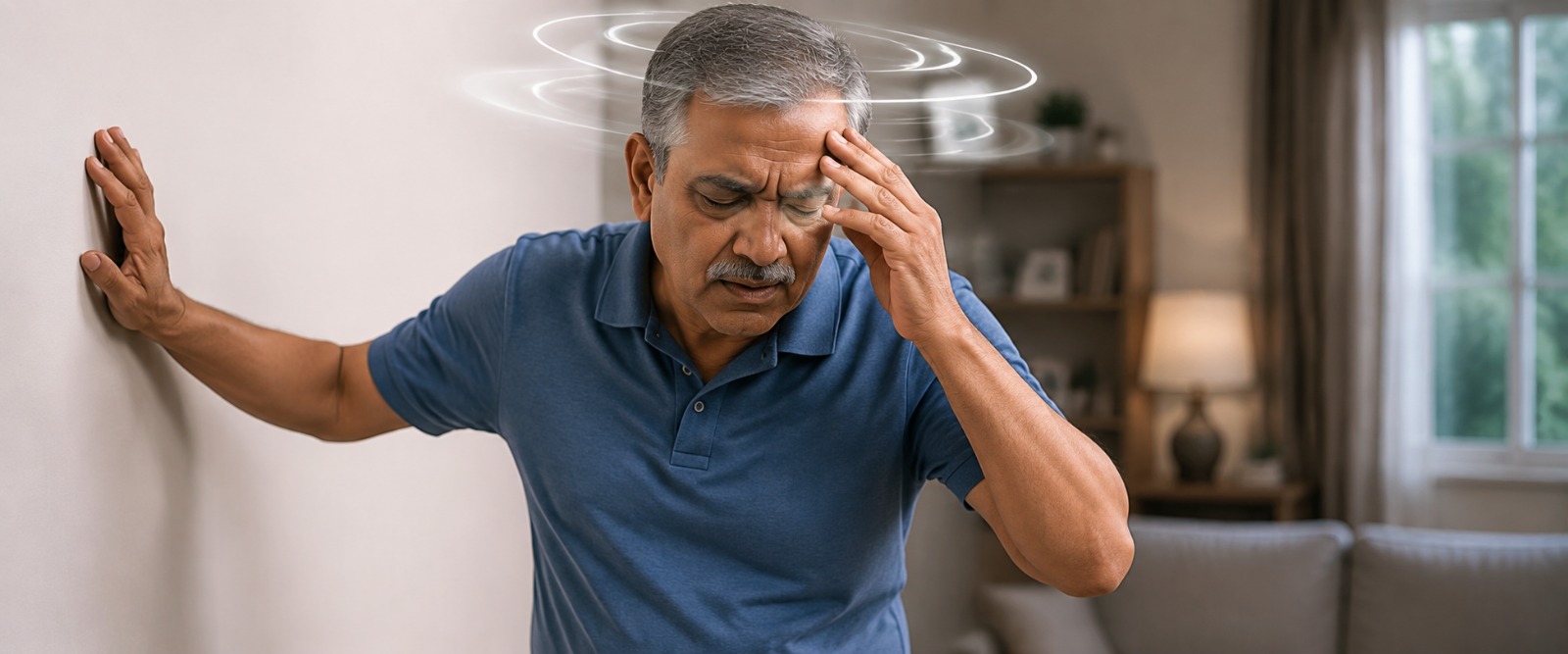
Light-headedness on standing, or a blackout feeling when the rhythm changes suddenly.

Tightness or pressure alongside a racing heartbeat needs same-day cardiac assessment.
Most patients arrive having already looked up half these terms. Getting the label right is what shapes the correct arrhythmia treatment in KPHB.
Used as though it were a diagnosis
Only a symptom — the awareness of your own heartbeat. The rhythm behind it still needs recording
Assumed to be just a fast heartbeat
Atrial fibrillation: disorganised upper-chamber activity that also raises stroke risk significantly
Frightening because the heart seems to stop
An early extra beat followed by a pause. Mostly harmless once your cardiologist rules out a structural cause
Confused with a hospital admission
A small recorder worn at home for 24 hours or longer while you carry on with your normal routine
Assumed to be a heart tablet
Does not thin the blood; it prevents clots forming in a fibrillating upper chamber
Often confused with open heart surgery
A catheter-based procedure that neutralises the small area of tissue firing the abnormal signal
Assumed to be a last resort
A small device that steps in only when your heartbeat runs dangerously slow or pauses
Assumed to always mean disease
Simply a rate above 100. Fever, anxiety and anaemia cause it too, so the pattern matters more
Identifying which of these apply to you shapes your entire heart rhythm disorder treatment in KPHB.

An overactive thyroid speeds the heart and frequently triggers atrial fibrillation, often as the very first sign.
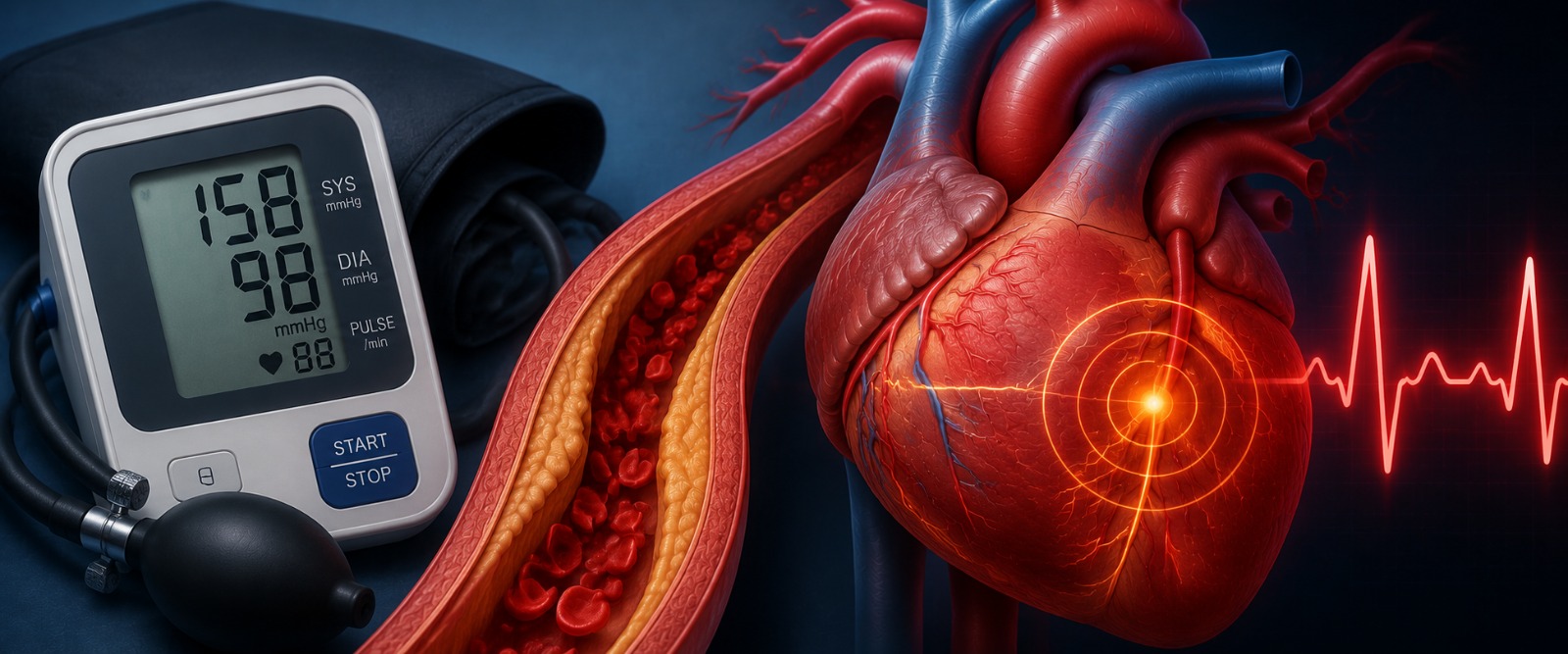
Uncontrolled BP thickens and stretches the heart chambers, which slowly disturbs the electrical pathway.
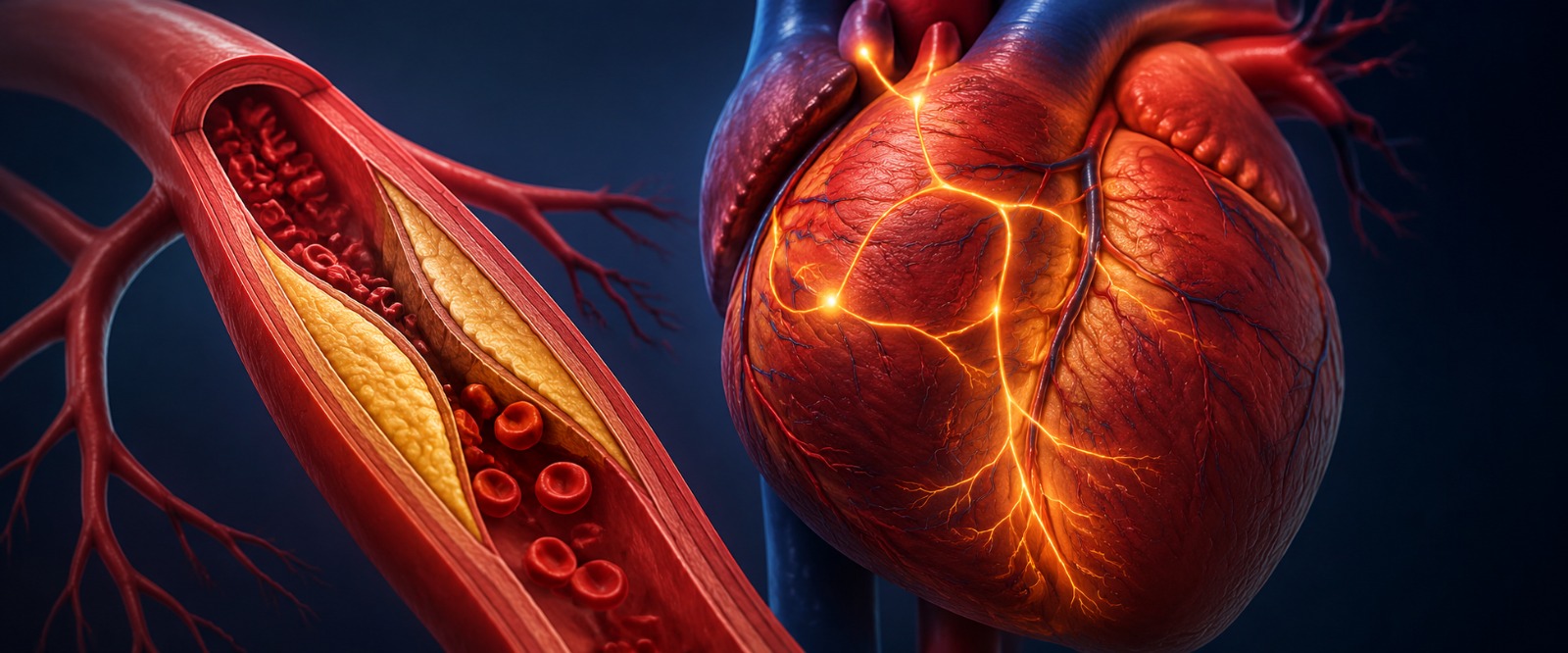
Narrowed arteries and scar tissue from a past heart attack both interrupt normal signal conduction.

Low potassium or magnesium, dehydration and certain medicines can all destabilise the heart rhythm.

Excess caffeine, alcohol, nicotine and some supplements provoke episodes in an otherwise normal heart.
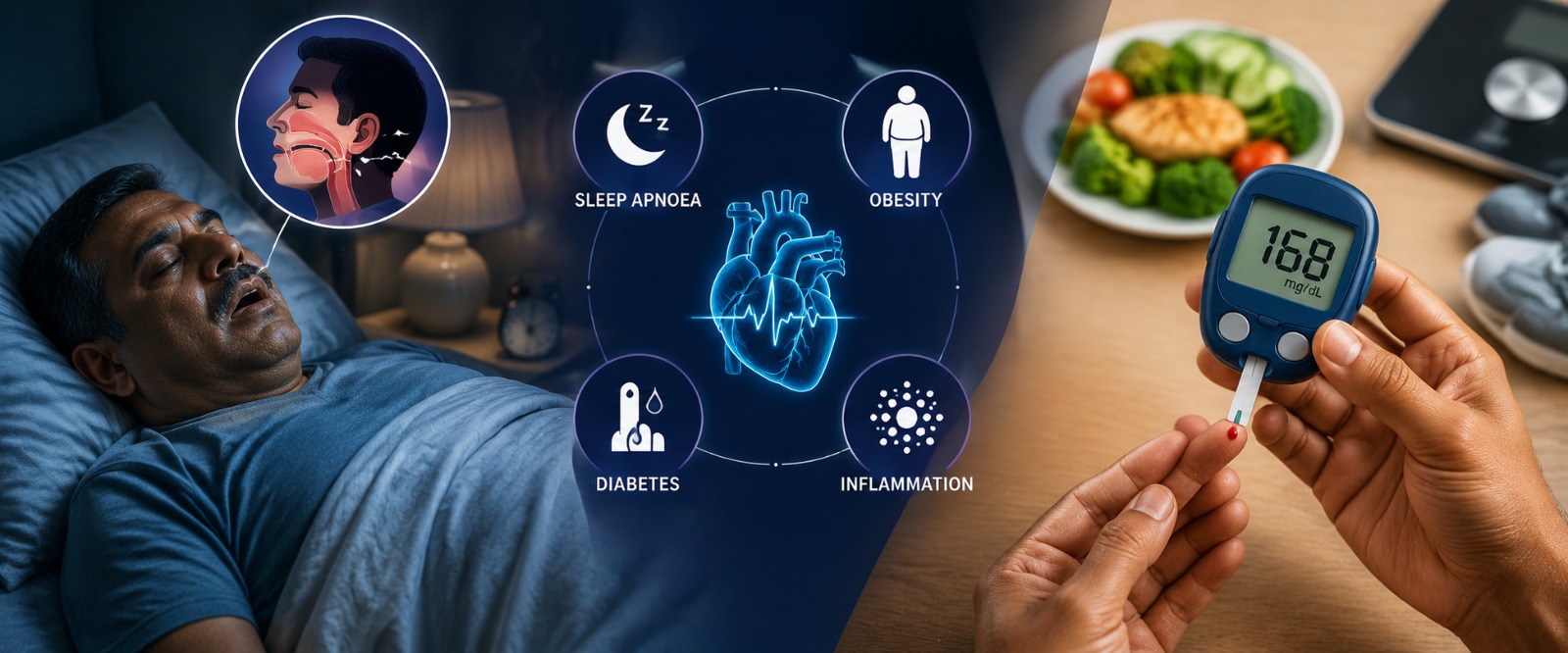
Untreated snoring with breath pauses, obesity and diabetes together drive a large share of AFib cases.
Alongside medication, arrhythmia treatment in KPHB relies on daily habits. Small, consistent changes often reduce episode frequency more than most patients expect.
Accurate cardiac arrhythmia treatment in KPHB depends on this fixed sequence, in this order. Each step decides whether you need the next one.
When episodes start, how long they last, and what sets them off — often the biggest clue.
Checking rate, regularity, blood pressure and any sign of an underlying heart condition.
A ten-second snapshot of the electrical activity, useful whenever symptoms are present.
Thyroid function, electrolytes, haemoglobin and a lipid profile to find a reversible cause.
Continuous recording at home, because intermittent rhythms rarely appear during an OP visit.
An ultrasound of the valves, chambers and pumping strength, checking for a structural trigger.
Many arrhythmias appear for a minute and then vanish. Therefore, a normal ECG never rules them out. Longer monitoring closes that gap and links your symptoms to real rhythm changes. Effective arrhythmia treatment in KPHB depends on that recording.
A Holter records every single beat across a full day. Afterwards, your cardiologist reviews the complete tracing alongside your symptom diary. Consequently, your cardiologist can match an episode you felt at 9 PM to the exact rhythm.
Some patients get episodes only once a fortnight. In such cases, a single day of recording rarely helps. Instead, your cardiologist may advise extended monitoring across several days to raise the chance of capturing the event.
Your cardiologist combines these based on the recorded rhythm and your overall risk. Irregular heartbeat treatment in KPHB always follows the tracing, never the guess.

Beta-blockers, calcium channel blockers or antiarrhythmic medicines, matched to the rhythm recorded.
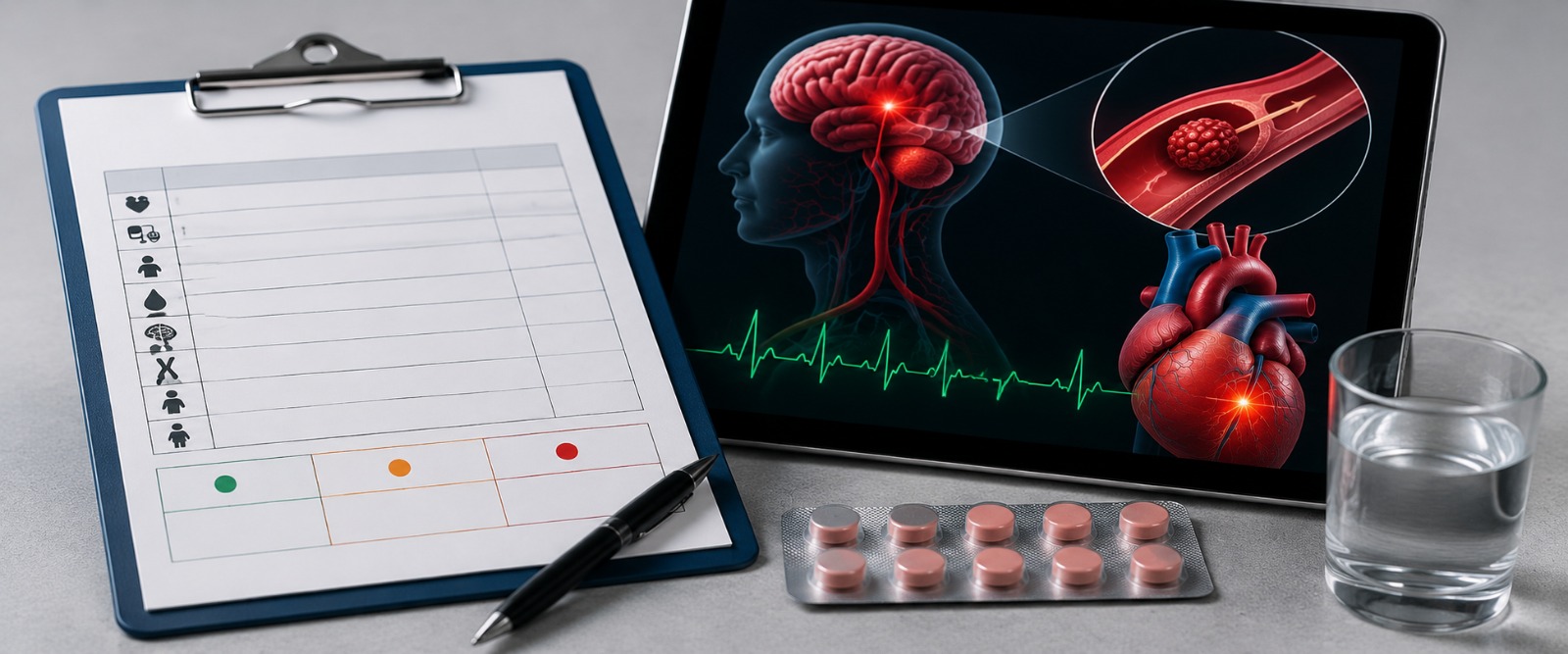
In atrial fibrillation, a scored risk assessment decides whether you need a blood thinner.

Cutting caffeine, alcohol and tobacco, improving sleep, and building steady daily activity.

Correcting thyroid, anaemia, electrolytes or sleep apnoea often settles the rhythm on its own.

For SVT and selected AFib cases, we complete the workup and refer you to an electrophysiology centre.
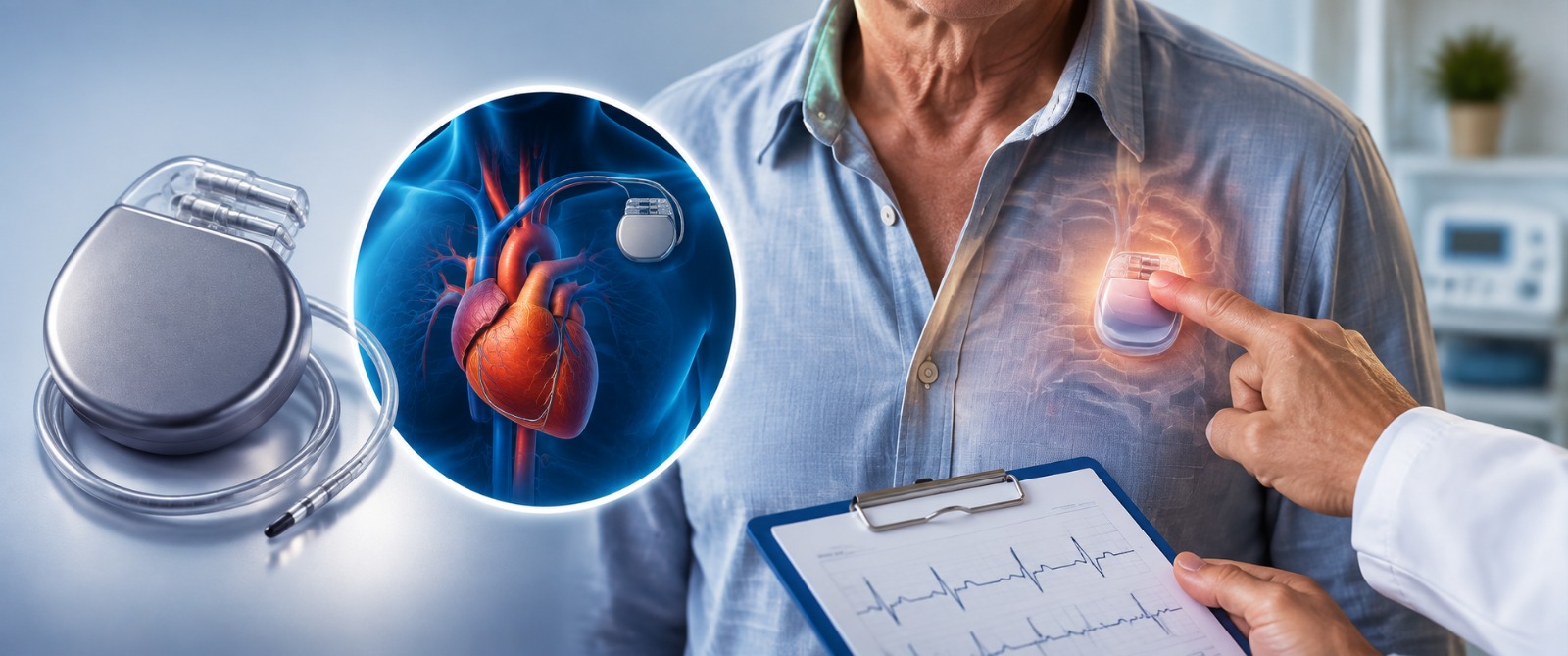
When the heartbeat runs dangerously slow, we arrange device implantation and continue your follow-up here.
Arrhythmia treatment in KPHB does not need a referral. You can consult a cardiologist for palpitations directly at our KPHB Colony clinic, and you need not wait until an episode becomes severe.
Your evaluation, your rhythm report and your long-term review stay with the same arrhythmia doctor in KPHB throughout.

Senior Interventional Cardiologist — Gokul Heart & Cholesterol Clinic, KPHB · Senior Consultant Cardiologist, Apollo Hospitals. Formerly HOD of Cardiology at GEM’S Medical College.

Interventional Cardiologist — Gokul Heart & Cholesterol Clinic, KPHB. Gold medallist in DM Cardiology at KNR University of Health Sciences, and a specialist in cholesterol and hypertension management.
If palpitations or giddiness keep returning, one consultation can tell you why. Book Arrhythmia Treatment in KPHB with our DM-qualified cardiologists.