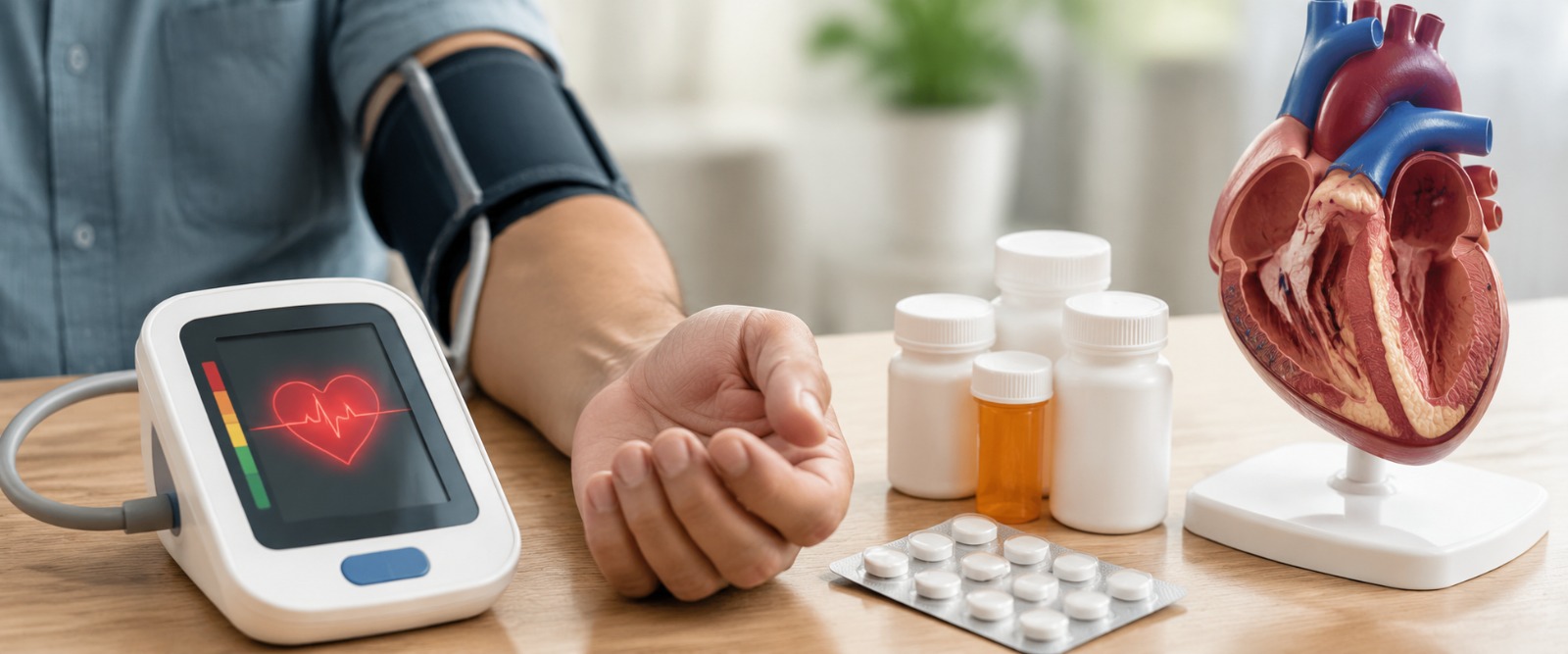
Subscribe to out newsletter today to receive latest news administrate cost effective for tactical data.

Let’s Stay In Touch

Shopping cart

Subtotal $0.00

View cartCheckout

Resistant Hypertension Treatment in KPHB, Hyderabad | Gokul Heart & Cholesterol Clinic
Resistant Hypertension Treatment

Resistant Hypertension Treatment in KPHB, Hyderabad

Resistant Hypertension Treatment in KPHB starts with one honest question: why does your BP stay high despite regular tablets? At Gokul Heart & Cholesterol Clinic, Kukatpally, our cardiologists answer that question with evidence, hunting for the reason before adding one more tablet to your list. Many patients already take three medicines daily, yet the reading crosses 140/90 mmHg — that pattern needs a deeper look, not a stronger dose.

Three medicines and BP still above 140/90? Let’s find out why.

Mon – Sat 6:00 PM – 9:00 PM  ·  Sunday 10:00 AM – 1:00 PM

Same-visit
BP workup & home diary
DM
Cardiology specialists
Cause-first
Hypertension evaluation
KPHB
Kukatpally, Hyderabad
What it is

What is resistant hypertension? The BP that won’t respond to tablets

Resistant Hypertension Treatment in KPHB begins with one honest question: why does your BP stay high despite regular tablets? Resistant hypertension means BP that stays above target despite three medicines — usually including a diuretic, or water tablet. Doctors use the same term when four or more medicines are needed for control.

Because the label sounds frightening, many patients lose hope. However, most cases improve once the real cause comes to light — the reason people look for a Resistant Hypertension Specialist in KPHB instead of simply adding one more tablet. In fact, a careful review often reduces the tablet count instead of raising it.

At our KPHB Colony clinic, the same cardiologists who run your hypertension evaluation also treat any hidden cause that surfaces — from sleep apnoea to a kidney artery block — continuing as long-term Resistant Hypertension Management.

Cardiologist checking blood pressure for resistant hypertension evaluation at Gokul Heart & Cholesterol Clinic, KPHB
  • NormalBelow 120/80 mmHg
  • Slightly raised120–139 / 80–89 mmHg
  • High BP140/90 mmHg or above, on repeated checks
  • Danger zone180/120 mmHg or above — needs urgent care
Warning signs

Is your BP quietly out of control? What resistant hypertension feels like

Most people with high BP feel perfectly fine, so silent damage continues for years. Still, a few everyday signals deserve quick attention — that pattern is where Hypertension Evaluation in KPHB begins.

BP monitor showing a reading above 140 over 90 mmHg

Readings above 140/90 mmHg

BP that stays above target despite taking three medicines regularly.

Person with an early morning headache at the back of the head

Early morning headache

A dull ache at the back of the head, often noticed on waking.

Person breathless while climbing a flight of stairs

Breathlessness on stairs

Getting short of breath while climbing just one flight of stairs.

Swollen feet and ankles by evening

Swelling of both feet

Feet and ankles that puff up by evening and ease again overnight.

Loud snoring at night with daytime sleepiness

Loud snoring, daytime sleepiness

Heavy snoring at night followed by unusual sleepiness through the day.

Person with chest heaviness and palpitations

Chest heaviness or palpitations

Unusual tiredness, a racing heartbeat, or a heavy feeling in the chest.

Get the label right

BP, ABPM, white coat effect: what these words actually mean

Most patients hear these terms for the first time at diagnosis. Getting the label right is what shapes the correct treatment plan — and difficult-to-control BP is rarely a discipline problem.

“BP”

The two numbers on every reading

The pressure of blood pushing against your artery walls, written as systolic over diastolic

“Diuretic”

Commonly called the water tablet

A medicine that removes extra salt and fluid from the body — usually one of the three tablets in resistant hypertension

“ABPM”

The 24-hour BP recorder

A small device that tracks BP through the day and night, used when clinic and home readings disagree

“Echo”

The heart-pumping scan

An ultrasound that shows heart muscle thickness and pumping strength

“White coat effect”

BP that only rises at the clinic

Readings that climb only inside the clinic; home and ABPM readings guide the real diagnosis

“Masked hypertension”

BP that hides during the visit

Normal-looking clinic readings that climb at home — carrying the same risk as classic high BP

“Difficult-to-control BP”

Not a discipline problem

Usually points to a hidden trigger — a medicine, sleep, salt or a hormone — that nobody has checked yet

“Secondary cause”

The hidden trigger behind stubborn BP

A specific, treatable reason such as sleep apnoea or excess aldosterone hormone from the adrenal gland

Why it happens

Why your BP refuses to settle

Salt, sleep and stress explain a lot — but a few other factors matter too. Identifying which of these apply to you shapes your Resistant Hypertension Management plan.

Older adult with a family history of high BP

Age and Family History

Risk climbs above 50, and earlier when close family members have high BP or heart attack.
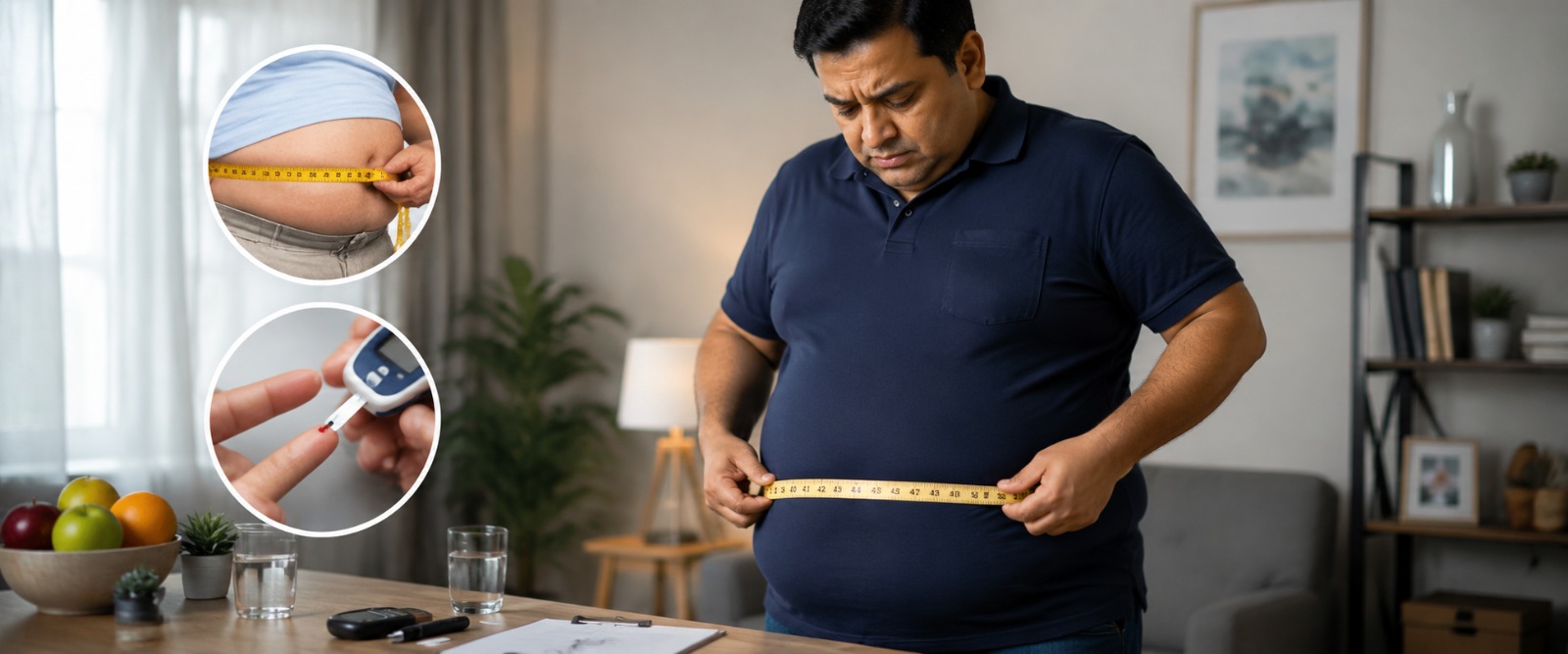
Waist measurement linked to diabetes and high BP

Extra Weight and Diabetes

Extra weight around the waist, plus diabetes or prediabetes, both push BP upward together.

Pickles and salty snacks common in a salt-heavy diet

Salt-Heavy Diet

Salt-heavy food with very little potassium keeps pressure high in most Hyderabad kitchens.

Alcohol, tobacco and gutkha use raising BP

Alcohol, Tobacco and Gutkha

Regular use of any of these keeps BP elevated and blunts the effect of tablets.
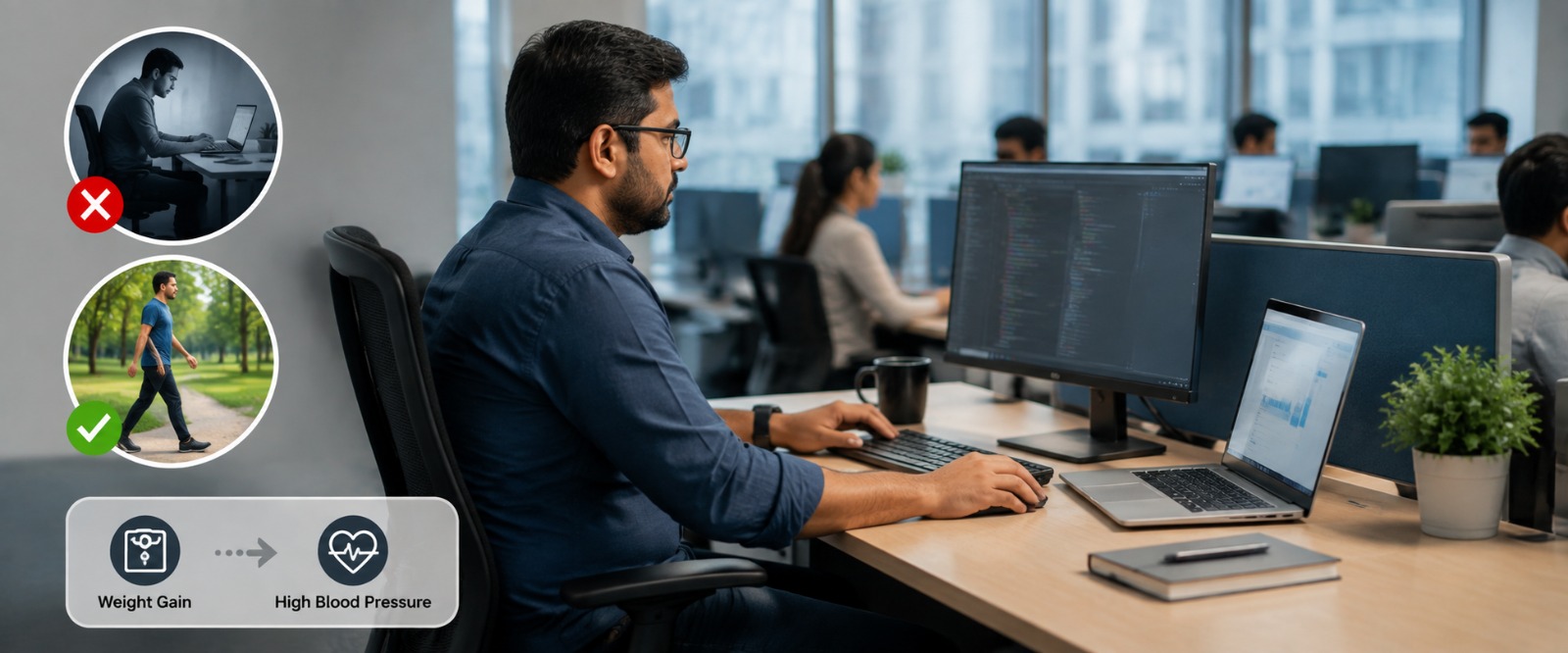
Long desk hours with little walking

Long Sitting Hours

Long desk hours in IT offices with almost no walking let both weight and pressure creep up.

Untreated sleep apnoea and kidney disease raising BP

Sleep Apnoea and Kidney Disease

Untreated snoring or sleep apnoea, and long-standing kidney disease, both keep BP resistant to treatment.

Diet and lifestyle

High Blood Pressure Treatment in KPHB starts on your plate

Food changes support every prescription — our dietary advice fits local Telugu meals rather than imported charts.

Everyday Swaps for Telugu Kitchens

  • Fresh lemon and coriander instead of pickle
  • Curd rice over packet snacks in the evening
  • Millets, ragi or brown rice a few times weekly
  • Banana, coconut water, spinach and beans for potassium
  • Pepper, curry leaves and garlic instead of extra salt
  • Filter coffee in moderation, without three spoons of sugar

Foods to Limit

  • Pickles, papad and chutney powders
  • Instant noodles, chips and biscuits
  • Bakery puffs, samosas and fried snacks
  • Processed meat and packaged sauces
  • Alcohol, tobacco and gutkha
Your daily salt target: aim for under 5 grams a day — roughly one level teaspoon across all meals. Pickle and papad already carry plenty, so never keep the salt shaker on the dining table.
Our diagnostic process

Hypertension Evaluation in KPHB

A fixed sequence, in this order — each step decides whether the next one is needed.

  1. 1

    Detailed History

    Food, sleep, stress and every medicine you take come first, including painkillers and supplements.

  2. 2

    Correct BP Measurement

    Readings taken in both arms after five minutes of rest, using a validated upper-arm monitor.

  3. 3

    Home BP Diary and 24-Hour ABPM

    A week of home readings, morning and night; ABPM when clinic and home readings disagree.

  4. 4

    Blood and Urine Tests

    Sugar, HbA1c, kidney function, salts and lipid profile, plus a urine test for protein leak.

  5. 5

    ECG and 2D Echo

    A heart screen that checks muscle thickness and pumping strength, done in-house the same visit.

  6. 6

    Targeted Tests for a Hidden Cause

    Renal Doppler, a sleep study or hormone tests when the pattern points to a specific trigger.

Treatment options

Uncontrolled Hypertension Treatment in KPHB matched to what is driving your numbers

Your cardiologist combines these based on your ABPM, blood tests and overall risk profile — not every patient needs all of them.
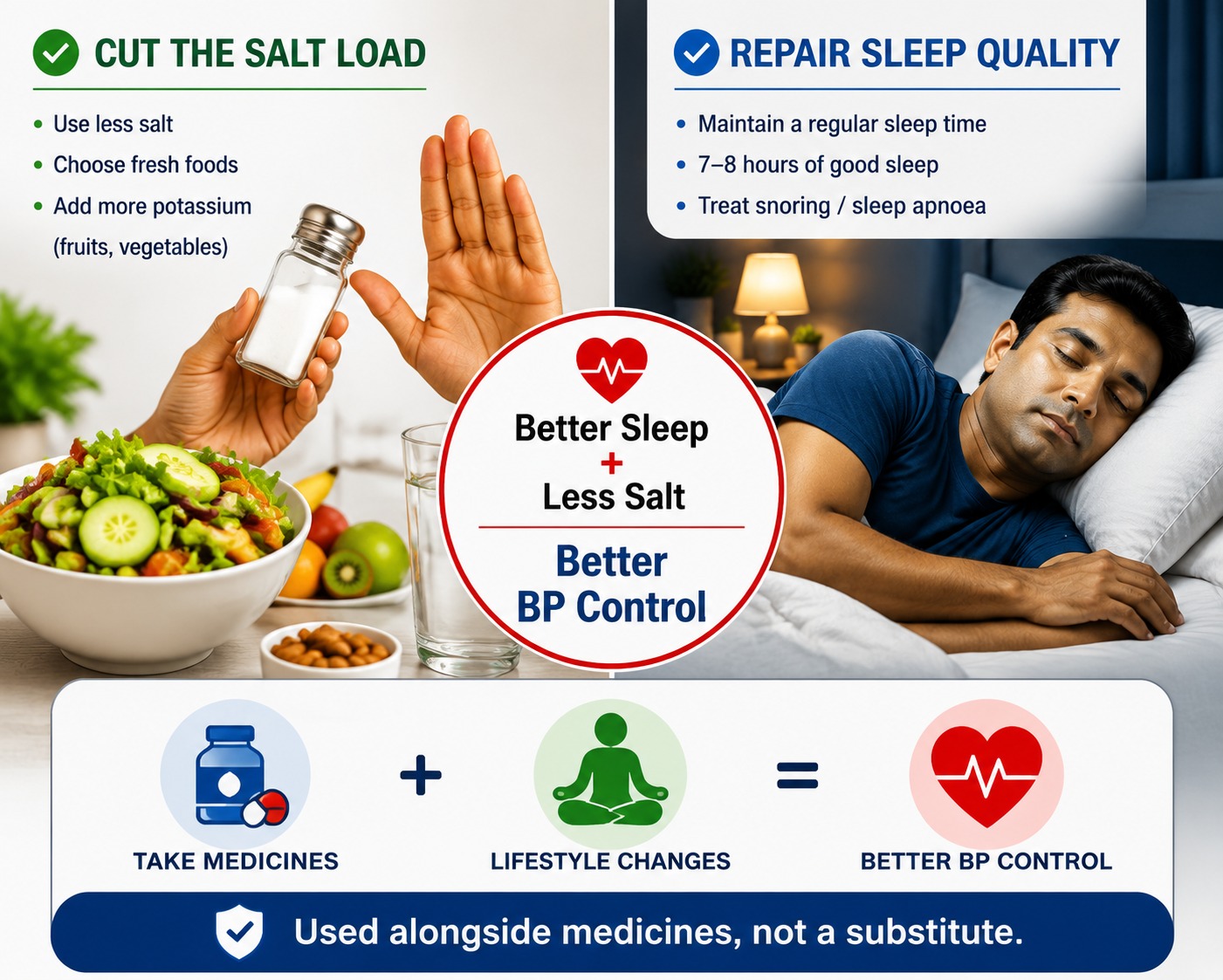
Cutting salt load and repairing sleep to lower BP

Salt and Sleep Correction

Cutting the salt load and repairing sleep quality, used alongside medicines rather than as a substitute for them.

Reviewing tablet dose, timing and combination

Medication Review and Combination Therapy

Reviewing dose, timing and combination together, sometimes switching to a bedtime dose or a single combination pill.
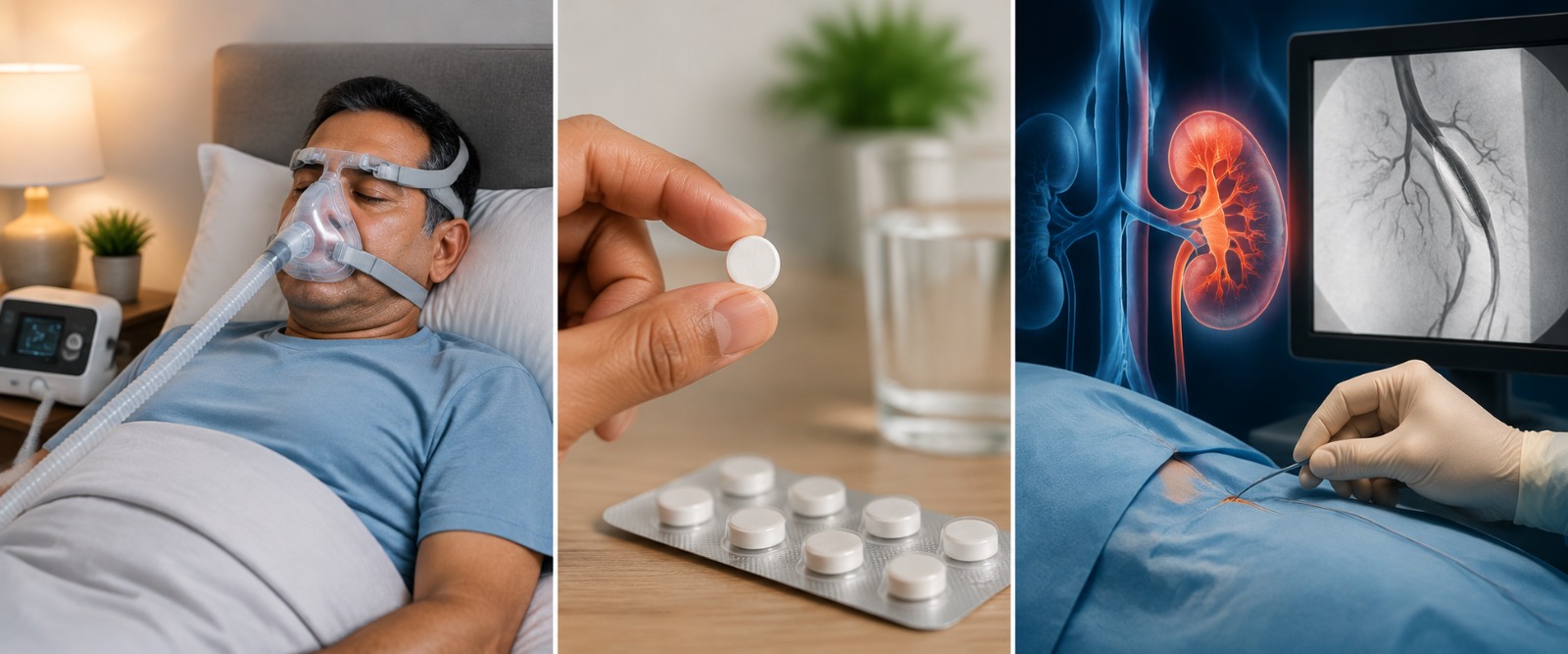
CPAP machine and hormone tablet for a hidden BP cause

Treating an Underlying Cause

A CPAP machine for sleep apnoea, a specific tablet for excess aldosterone, or a kidney artery procedure through partner hospitals, where testing confirms a specific trigger.

Lipid control alongside BP treatment to protect the heart and kidneys

Cholesterol Control for Organ Protection

Lipid control alongside BP treatment, since high BP and high cholesterol damage the very same arteries.
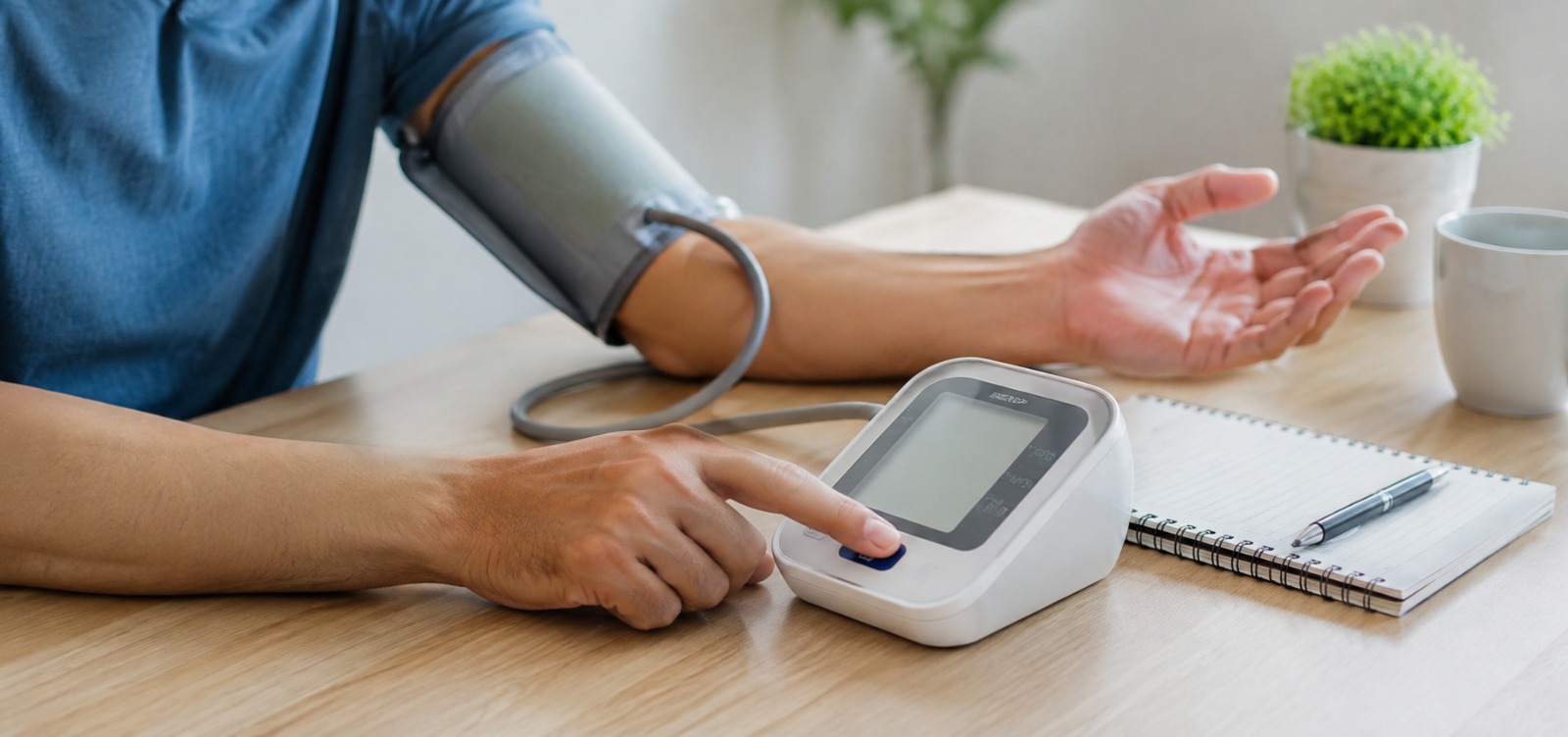
Correct home BP monitoring technique with an upper-arm cuff

Home BP Monitoring and Follow-up

A validated device, correct technique and a structured follow-up schedule to track your progress.

Written diet and walking plan for Telugu households

Structured Diet and Walking Support

Ongoing coaching with Telugu-kitchen food swaps and walking targets to help lifestyle changes stick.

When to consult

When to see a Resistant Hypertension Specialist in KPHB

You do not need a referral at our KPHB Colony clinic, and you should not wait for organ damage. Besides, a quick word with a Hypertension Specialist in KPHB costs little and clarifies a lot.

  • BP above target despite three medicines — readings that keep crossing 140/90 mmHg even with regular tablets.
  • Symptoms without an obvious cause — morning headaches, breathlessness on stairs, evening ankle swelling or loud snoring.
  • Risk factors without symptoms — diabetes, high cholesterol, obesity or family history, especially above 50.
  • 180/120 mmHg or a red-flag symptom — this needs same-day emergency care, not a routine appointment.

Meet Your Hypertension Specialists in KPHB

The cardiologist who runs your BP evaluation also treats any hidden cause that surfaces, from cholesterol to a kidney artery block.

Dr. Arun Kumar Kamisetty, Senior Interventional Cardiologist at Gokul Heart & Cholesterol Clinic, KPHB
Dr. Arun Kumar Kamisetty
MBBS · MD · DM (Cardiology)

Senior Interventional Cardiologist and Lipidologist — Gokul Heart & Cholesterol Clinic, KPHB · Senior Consultant, Apollo Hospitals, Secunderabad. Formerly HOD of Cardiology at GEM’S Medical College. Special interest covers cholesterol disorders, complex angioplasty and preventive heart care.

15+ years experienceApollo Hospitals, SecunderabadCholesterol & BP management
Dr. Naga Chaitanya Karella, Interventional Cardiologist and cholesterol specialist at Gokul Heart & Cholesterol Clinic, KPHB
Dr. Naga Chaitanya Karella
MBBS · MD · DM (Cardiology)

Interventional Cardiologist — Gokul Heart & Cholesterol Clinic, KPHB · Chief Interventional Cardiologist, Dhruva Hospitals. Gold medallist in DM Cardiology at KNR University of Health Sciences, with special focus on cholesterol disorders and difficult-to-control blood pressure.

12+ years experienceGold Medallist, DM CardiologyDifficult-to-control BP

Do not wait for a stroke. Get your BP evaluated.

If your BP still crosses 140/90 mmHg despite three medicines, one consultation can tell you why. Book Resistant Hypertension Treatment in KPHB with our cardiologists.

  • Gokul Heart & Cholesterol Clinic
    KPHB Colony, Kukatpally, Hyderabad, Telangana
  • Mon – Sat 6:00 PM – 9:00 PM  ·  Sun 10:00 AM – 1:00 PM
  • 89196 07118
  • info@gokulheartcholesterolclinic.com
FAQs

Resistant Hypertension Treatment in KPHB — common questions

What exactly is resistant hypertension?

Resistant hypertension means BP stays above target despite three correctly taken medicines. Usually, one of them is a diuretic. Additionally, the same label applies when four or more medicines become necessary.

Can difficult-to-control blood pressure be cured?

Sometimes yes, especially when a single hidden cause drives everything. For instance, treating sleep apnoea or an adrenal problem can transform the readings. Otherwise, good control remains the realistic and worthwhile goal.

Will I need even more tablets after the evaluation?

Not always. Often the plan changes timing or combination rather than adding drugs. Besides, treating a hidden cause sometimes allows a reduction later.

Should I stop my current medicines before the visit?

Please never stop tablets on your own. Instead, bring every strip, bottle and prescription with you. Our doctors will then adjust the plan safely.

Is the 24-hour BP monitor uncomfortable?

The cuff inflates every 15 to 30 minutes during the day. Most patients sleep reasonably well with it. Meanwhile, the data it gives is far richer than clinic readings alone.

Does cholesterol really affect my BP?

Cholesterol does not raise BP directly. However, both conditions injure the same arteries together. Therefore, our Resistant Hypertension Management plan always includes a lipid profile.

How often should I check BP at home?

Twice daily works well during the first month, morning and night. Later, three days a week is usually enough. Additionally, please note every reading in a diary or phone app.

Which reports should I bring to my first visit?

Bring recent blood tests, ECG, echo reports and any scan films. Also carry your sugar and kidney reports if available. Consequently, we avoid repeating tests unnecessarily.

Do you offer appointments after office hours?

Yes. Our OPD runs from 6 PM to 9 PM, Monday through Saturday. Sunday morning slots run from 10 AM to 1 PM.

When should I consult a resistant hypertension specialist?

Book a Resistant Hypertension Specialist in KPHB once three medicines stop working. Similarly, sudden swings, very young onset or organ damage deserve review. Otherwise, your family physician can continue routine care.

How soon will my BP improve?

Lifestyle steps show effect within two to four weeks. Medicine changes usually settle within a similar window. Still, a hidden cause may need a few more weeks of testing and treatment.
Call Now Button