Subscribe to out newsletter today to receive latest news administrate cost effective for tactical data.

Let’s Stay In Touch

Shopping cart

Subtotal $0.00

View cartCheckout

Syncope Evaluation in KPHB, Hyderabad | Gokul Heart & Cholesterol Clinic
Syncope Evaluation

Syncope Evaluation in KPHB

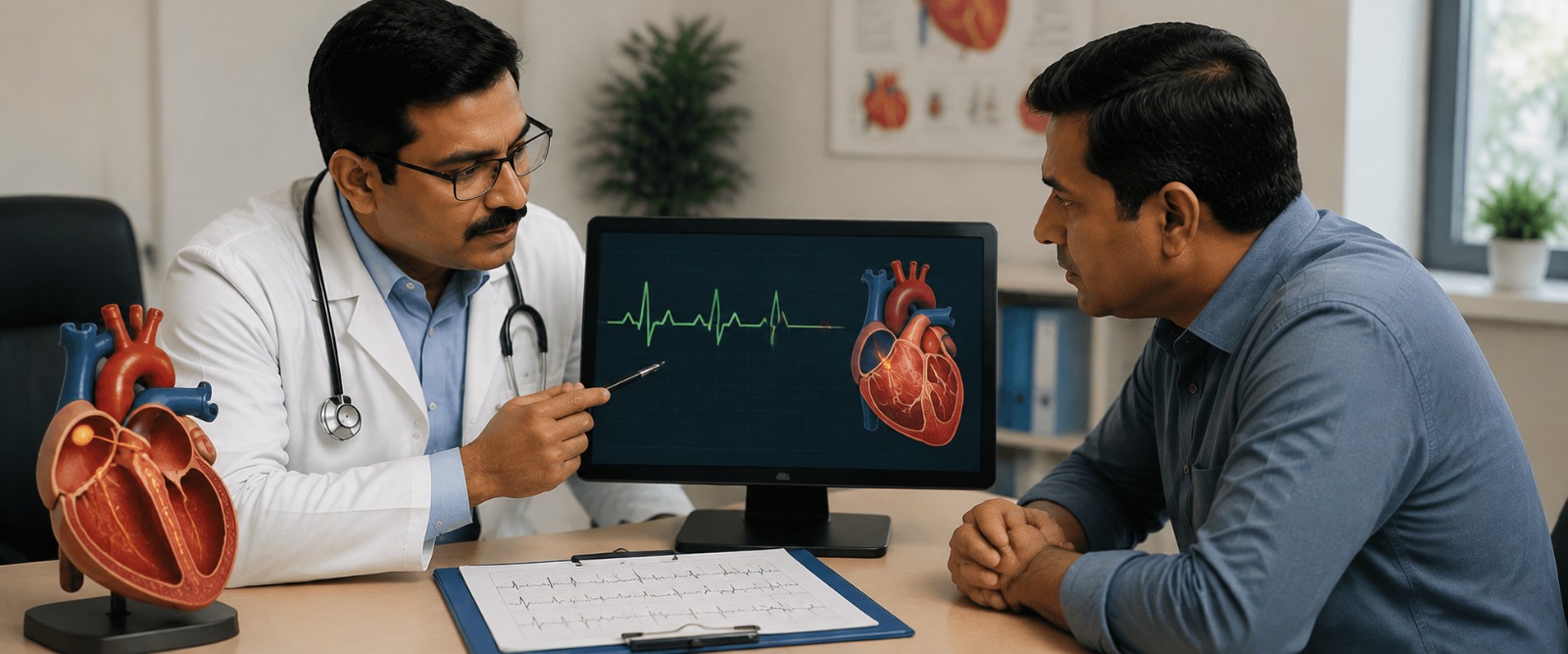
Syncope Evaluation in KPHB begins the moment you describe that sudden blackout to our cardiologist. Fainting frightens every family. Moreover, it sometimes signals a hidden heart rhythm problem. Therefore, our doctors examine your heart, your BP and your nervous system in a single sitting. Because the cause decides the treatment, we never guess.

Blacked out suddenly? We examine your heart, your BP and your nervous system in a single sitting.

Mon – Sat 6:00 PM – 9:00 PM  ·  Sunday 10:00 AM – 1:00 PM

25+
Years combined experience
Same-day
ECG & 2D Echo
6–9 PM
Evening OPD, Mon–Sat
KPHB
Kukatpally, Hyderabad
What it is

What Syncope Actually Means

Syncope is the medical word for a brief blackout. Blood supply to the brain falls for a few seconds. As a result, you lose consciousness and drop down. However, recovery comes quickly, usually within a minute.

Patients in Kukatpally often use simpler words. Some say fainting. Others describe giddiness or a dizzy spell. Meanwhile, doctors treat each word differently, because each points towards a different cause. Hence a careful Fainting Evaluation in KPHB always begins with your story.

Gokul Heart & Cholesterol Clinic works from KSR Square in KPHB Colony, Kukatpally. Our evening OPD runs from 6 PM to 9 PM, Monday through Saturday. So software employees and shift workers can visit comfortably after office hours. Sunday morning slots from 10 AM to 1 PM also suit families travelling from Miyapur, Nizampet and Bachupally.

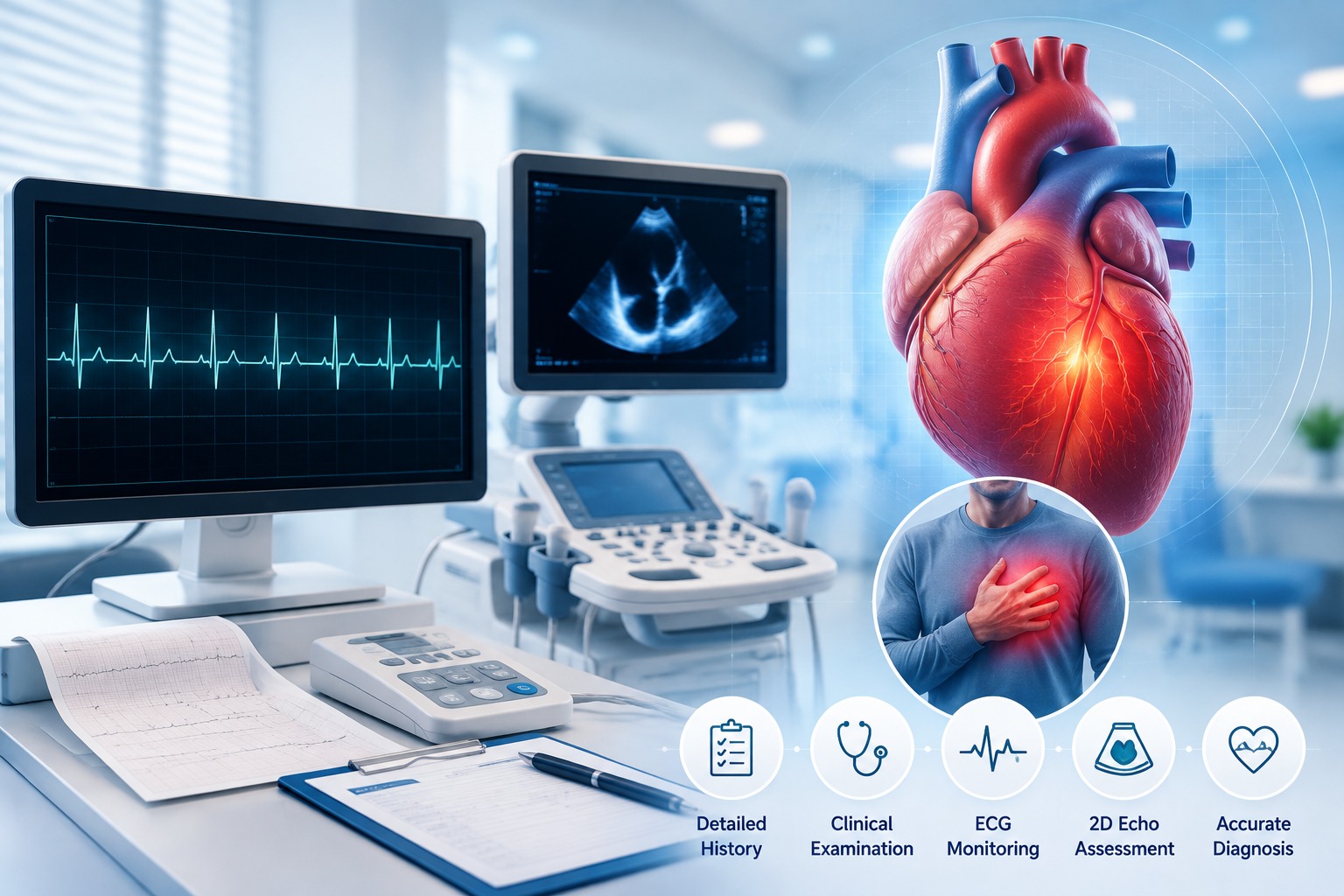
ECG and BP monitoring during syncope diagnosis in KPHB at Gokul Heart & Cholesterol Clinic

Syncope, Giddiness and Dizziness Are Not the Same

Giddiness means a swaying or spinning sensation without any blackout. Dizziness may arise from the ear, the eyes or a sudden BP drop. In contrast, true syncope always involves loss of consciousness. Consequently, our team separates these three complaints before ordering tests. This is exactly why Dizziness Evaluation in KPHB follows a slightly different path from a cardiac work-up.

Three Broad Causes We Look For

  1. Reflex or vasovagal faints. Long standing, heat, fear or pain triggers them. Usually harmless, though they still need confirmation.
  2. BP-related faints. A sudden drop on standing causes them. Often these link back to medicines, dehydration or diabetes.
  3. Cardiac faints. A slow, fast or irregular heartbeat causes them. Such episodes need urgent attention.
Which Type Worries Cardiologists Most

Cardiac syncope carries the highest risk. Therefore, our first job is ruling it in or out. Once the heart looks clear, everything else becomes far easier to manage.

Causes

What Causes Fainting, Giddiness and Dizziness

Syncope starts in many different places, and the heart explains only some of them. Therefore, our Syncope Specialist in KPHB rules out each likely cause before settling on one.

Young man feeling faint while standing in a long queue

Reflex or Vasovagal Faints

Long standing, heat, fear or the sight of blood triggers these. Usually they stay harmless, though we still confirm the cause.

Cardiologist checking a patient's standing blood pressure at the clinic

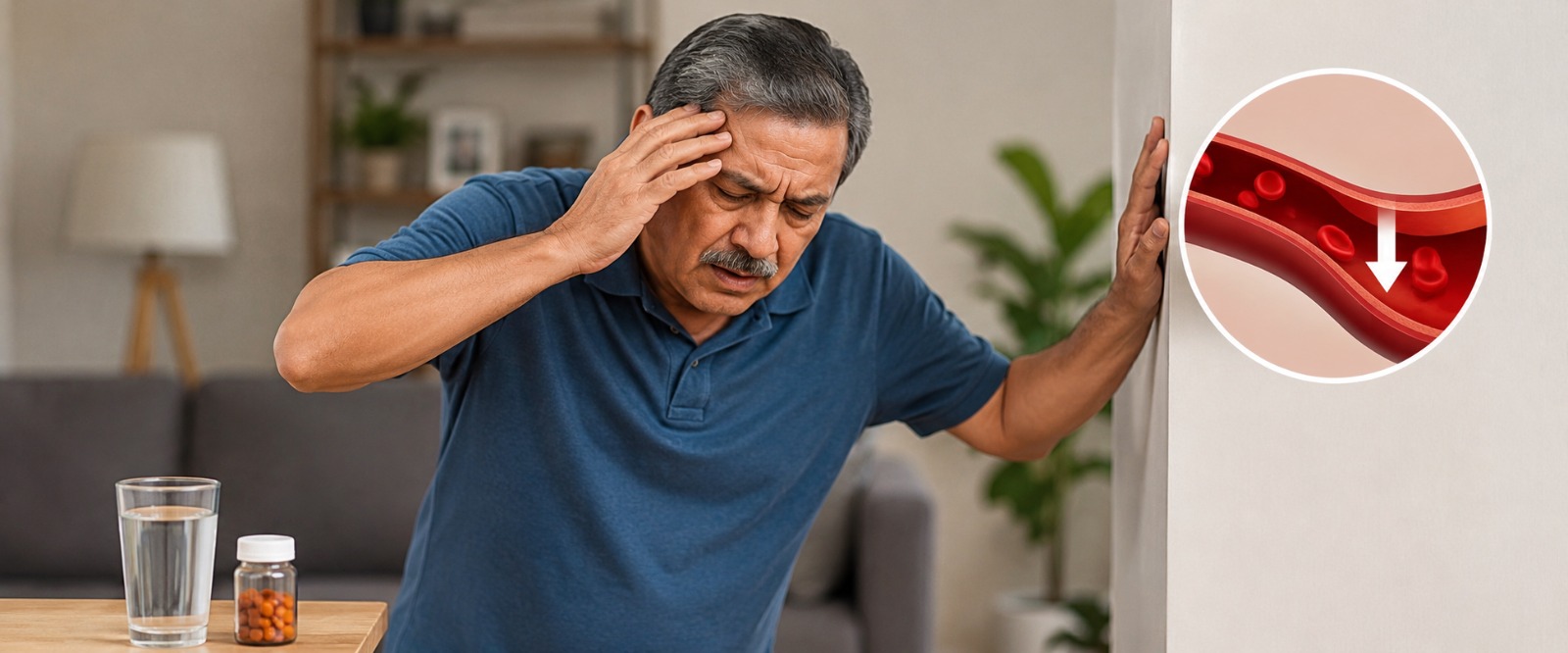
Sudden BP Drop on Standing

Your BP falls the moment you stand up. Often dehydration, diabetes or BP tablets explain the drop.
ECG tracing showing an abnormally slow heart rate

Slow Heartbeat or Heart Block

The pulse drops too low, so the brain misses a beat. Consequently, the blackout arrives without any warning.
ECG tracing showing a fast and irregular heart rhythm

Fast or Irregular Heartbeats

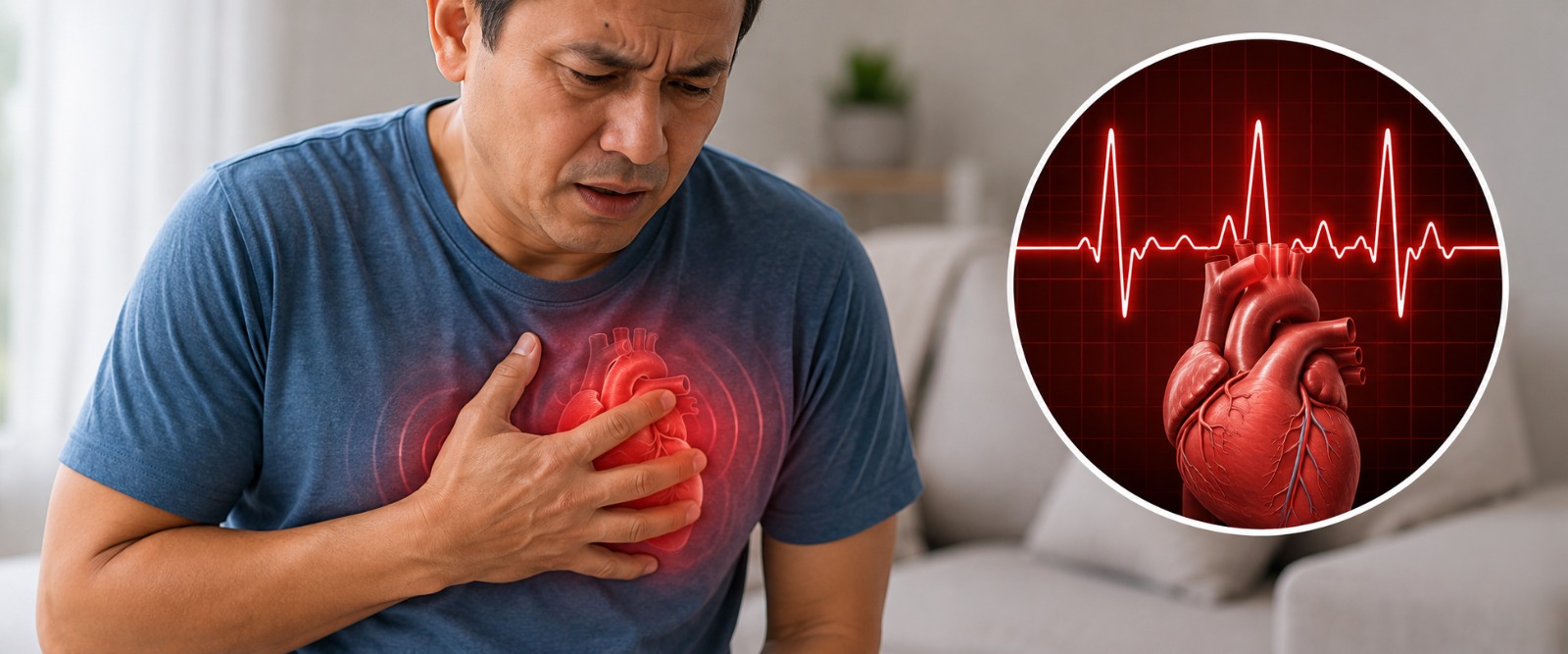
A racing rhythm stops the heart from filling properly. Therefore, palpitations before a faint always need testing.
2D echo scan showing the heart valves and muscle thickness

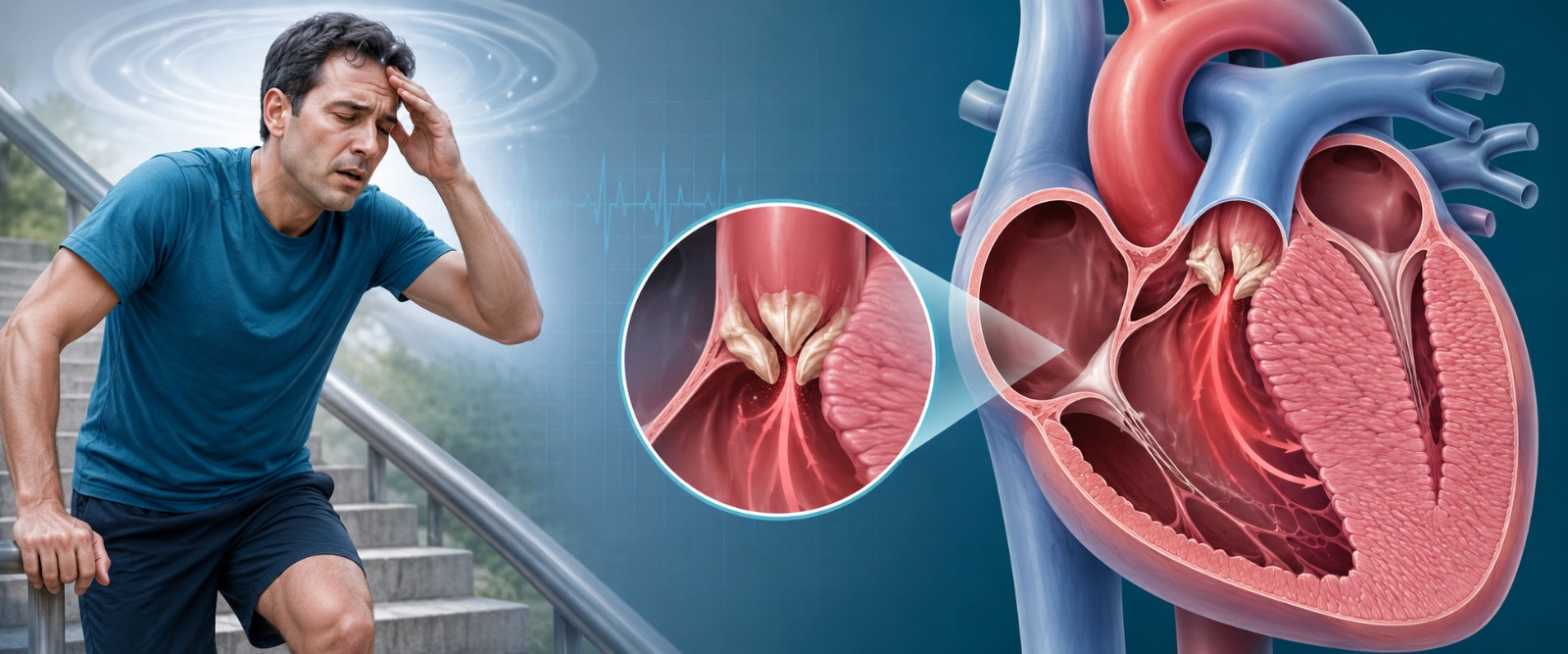
Structural Heart Problems

Tight valves, a thickened muscle or blocks reduce the flow. Faints during exertion often point straight here.

Medicine strips beside a glass of water on a table

Medicines, Dehydration and Anaemia

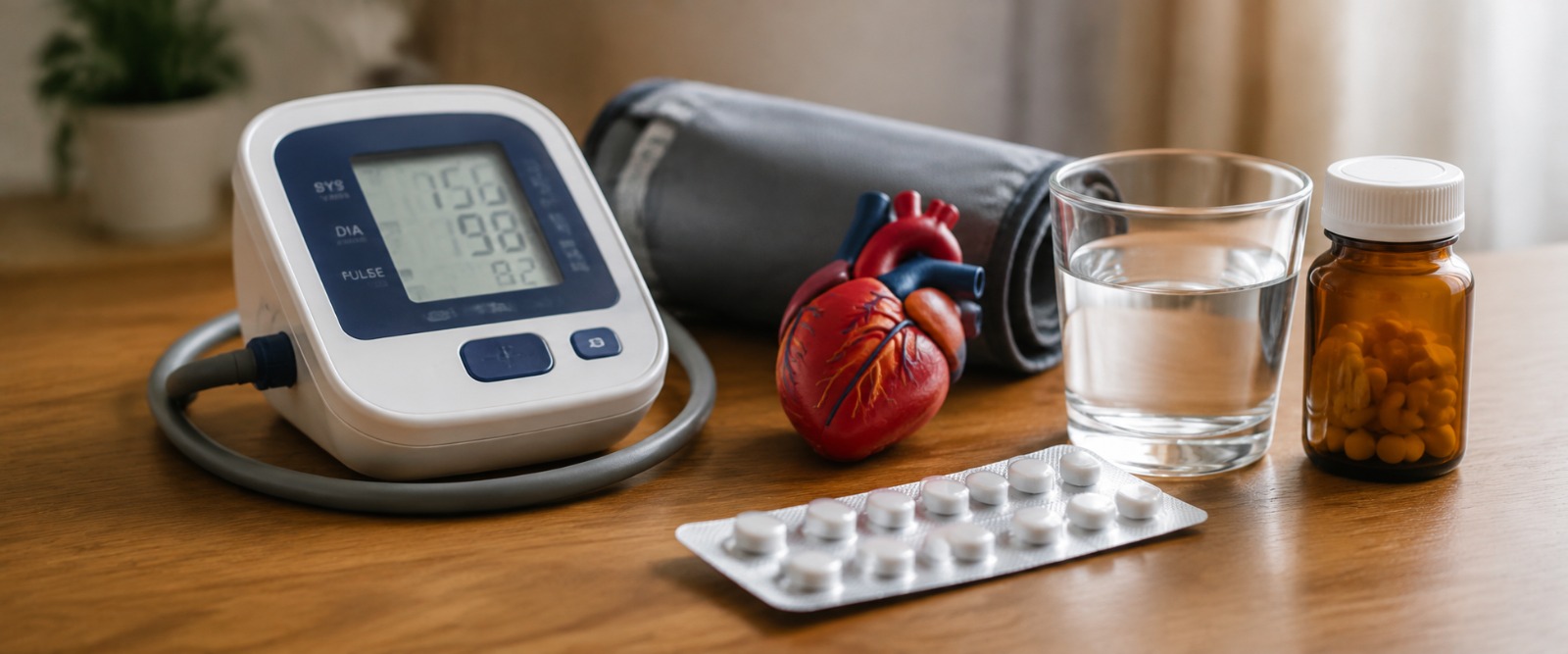
Water tablets, prostate medicines and low haemoglobin all lower your BP. Moreover, skipped meals worsen every one of them.

Two causes can overlap. A patient on BP tablets may also have a slow pulse. Hence we test for each one separately, instead of stopping at the first answer.
Why it happens

Who Faces a Higher Risk

Risk climbs with age and with existing heart disease. Nevertheless, young adults also faint, especially while standing for long hours at functions.
Medical Risk Factors

Nurse measuring a patient's blood pressure with a digital monitor

High BP and BP Tablets

High BP damages your vessels over the years. Moreover, tablets that lower readings too far cause faints on standing.
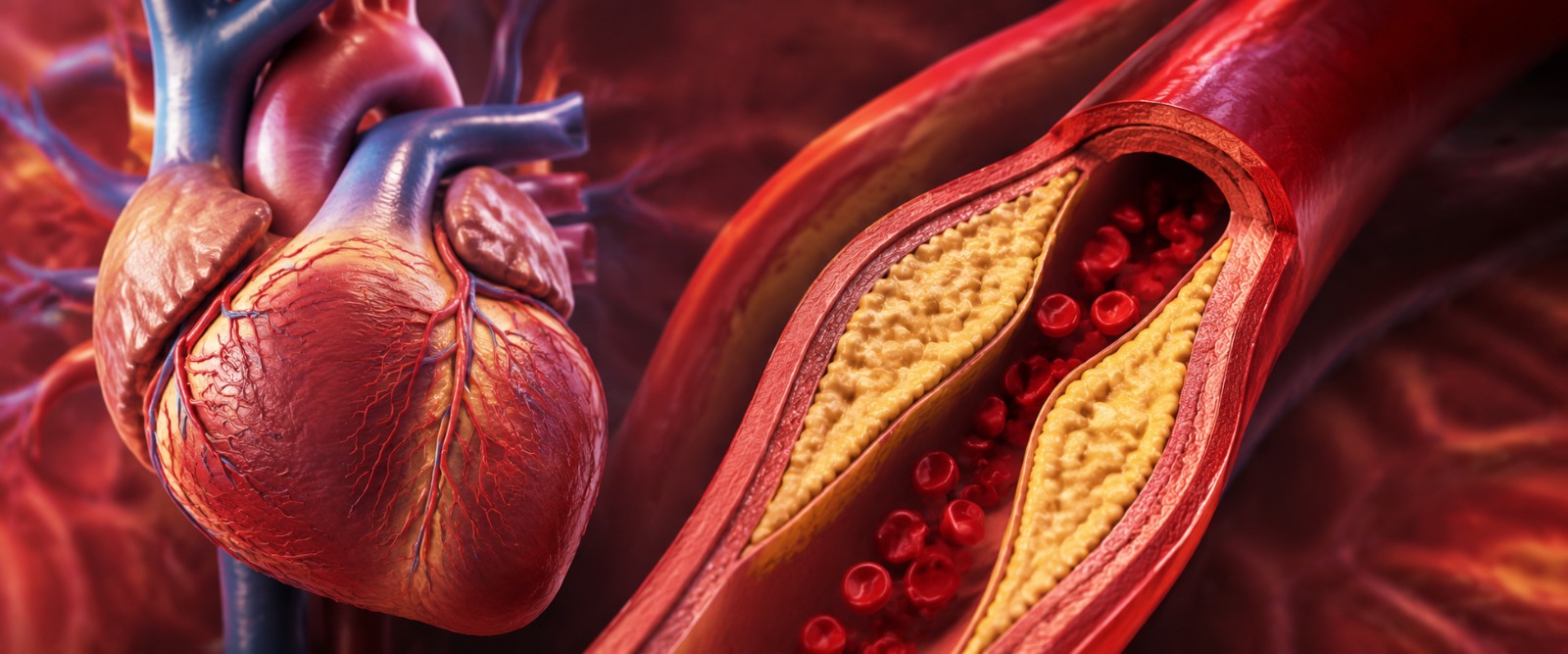
Lipid profile blood test report with a cholesterol reading highlighted

High Cholesterol and Blocks

Cholesterol narrows the heart arteries slowly. Consequently, blocks cut the flow and trigger blackouts.
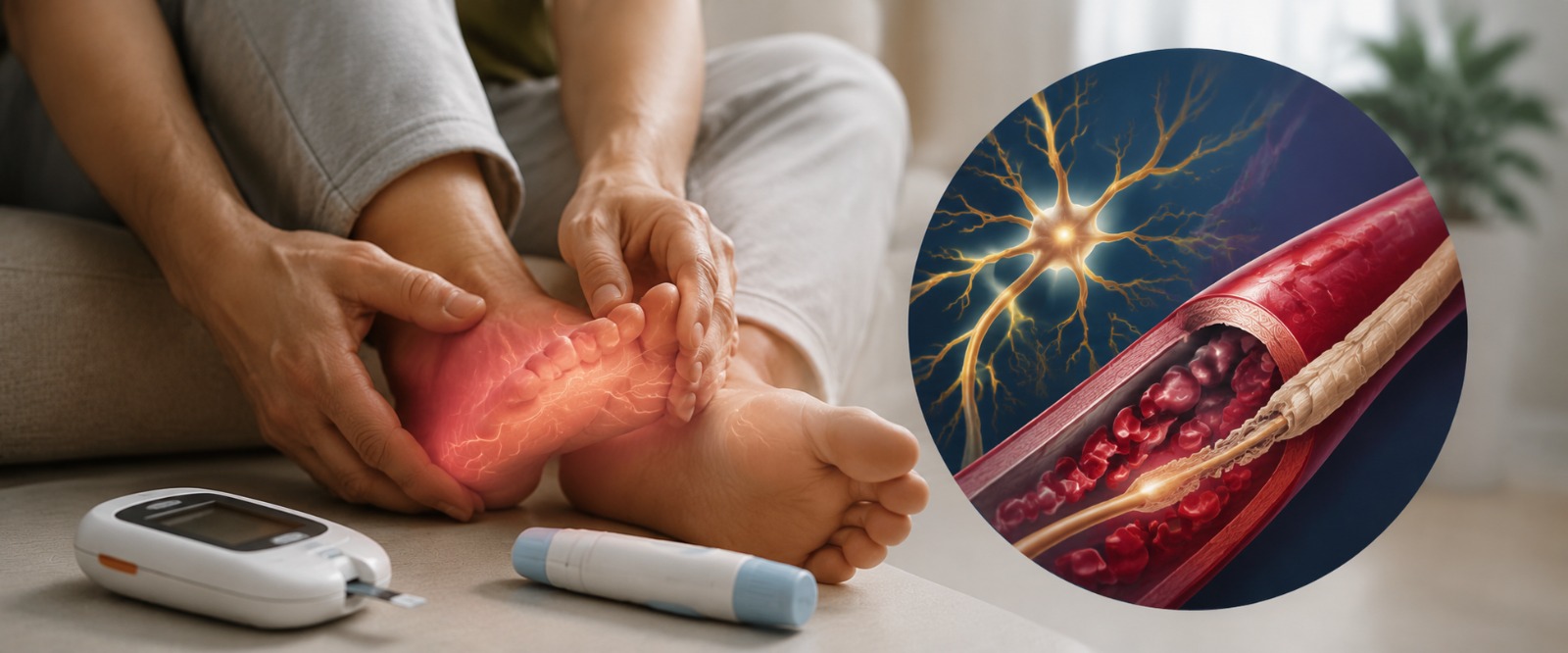
Person checking blood sugar with a glucometer at home

Diabetes Affecting the Nerves

Diabetes damages the nerves that steady your BP. Therefore, giddiness on standing turns common.
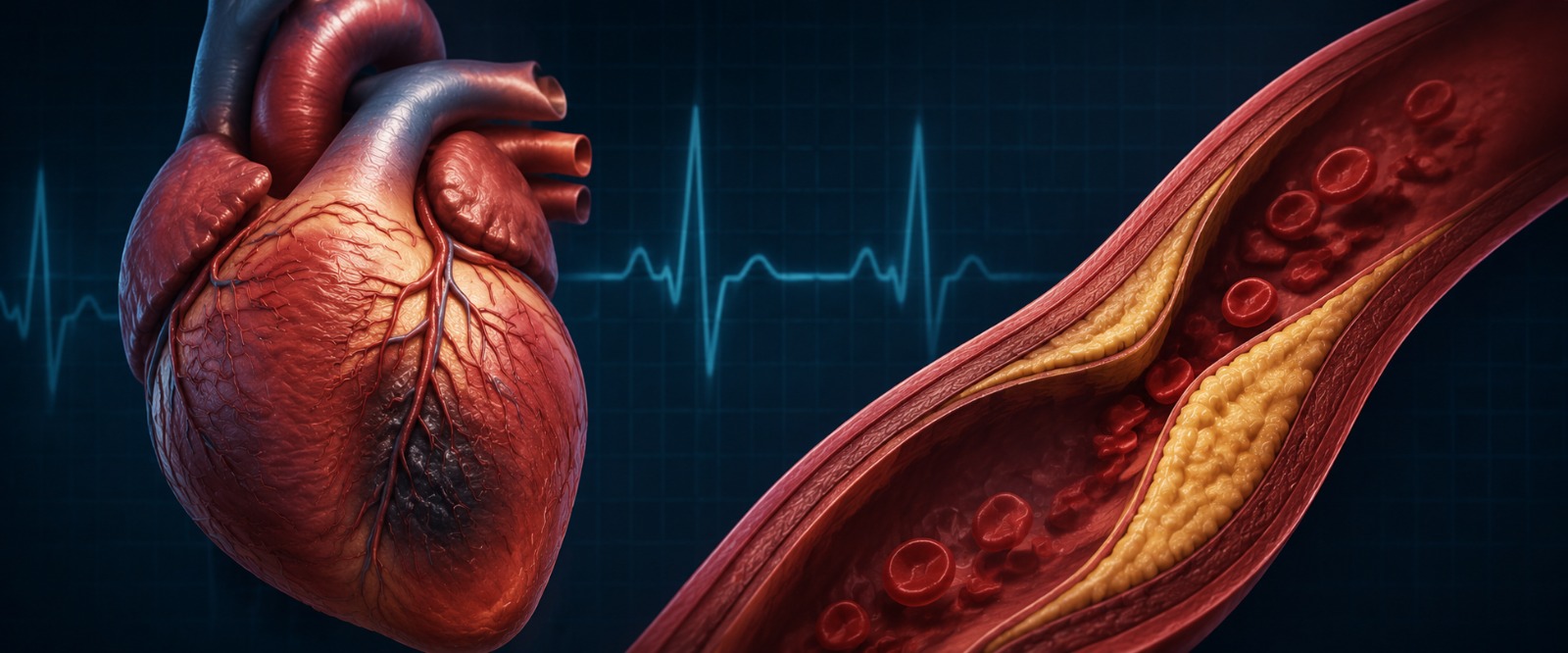
Cardiologist reviewing a 2D echo scan of a weak heart pump

Weak Pump or Past Heart Attack

A previous heart attack leaves the pump weak. As a result, the brain receives less blood during effort.
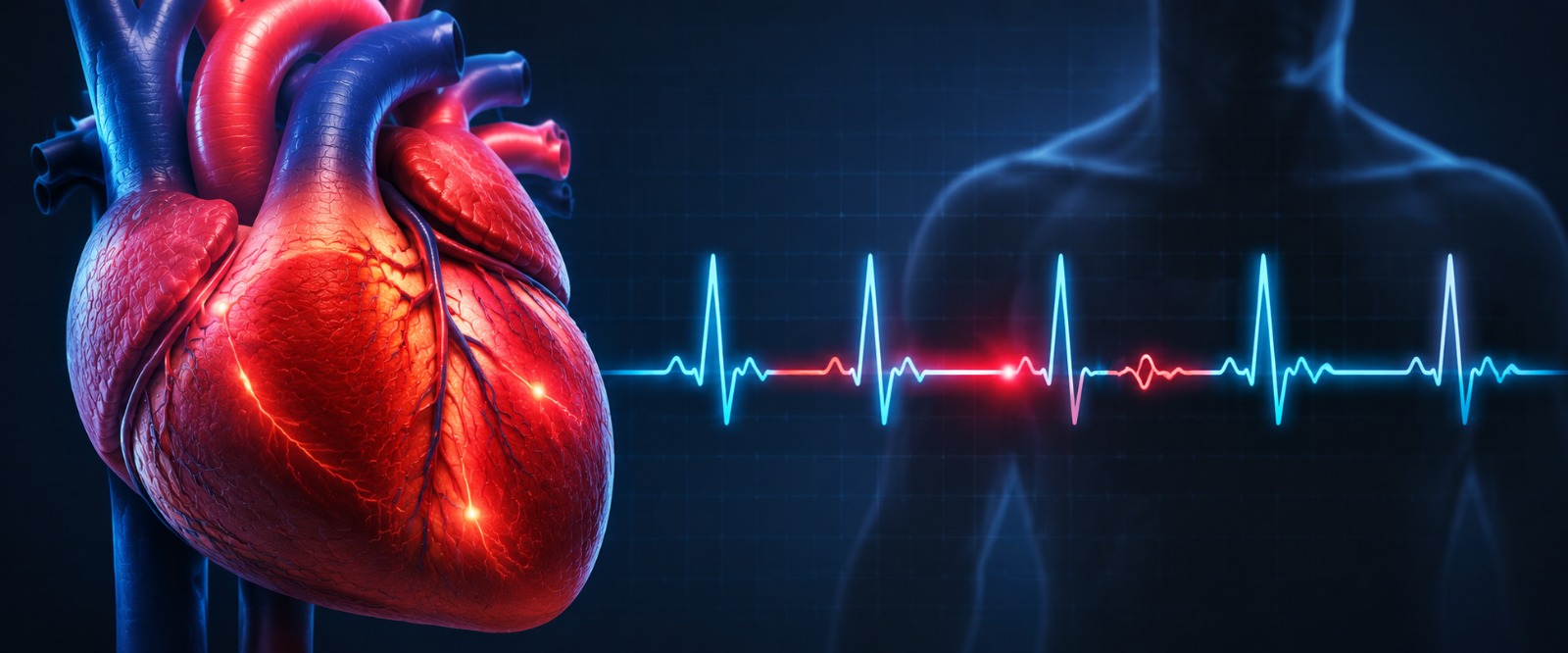
Holter monitor recording an irregular heart rhythm

Slow Pulse or Skipped Beats

A slow pulse, skipped beats or a known rhythm problem all matter. Such patterns often explain sudden faints.
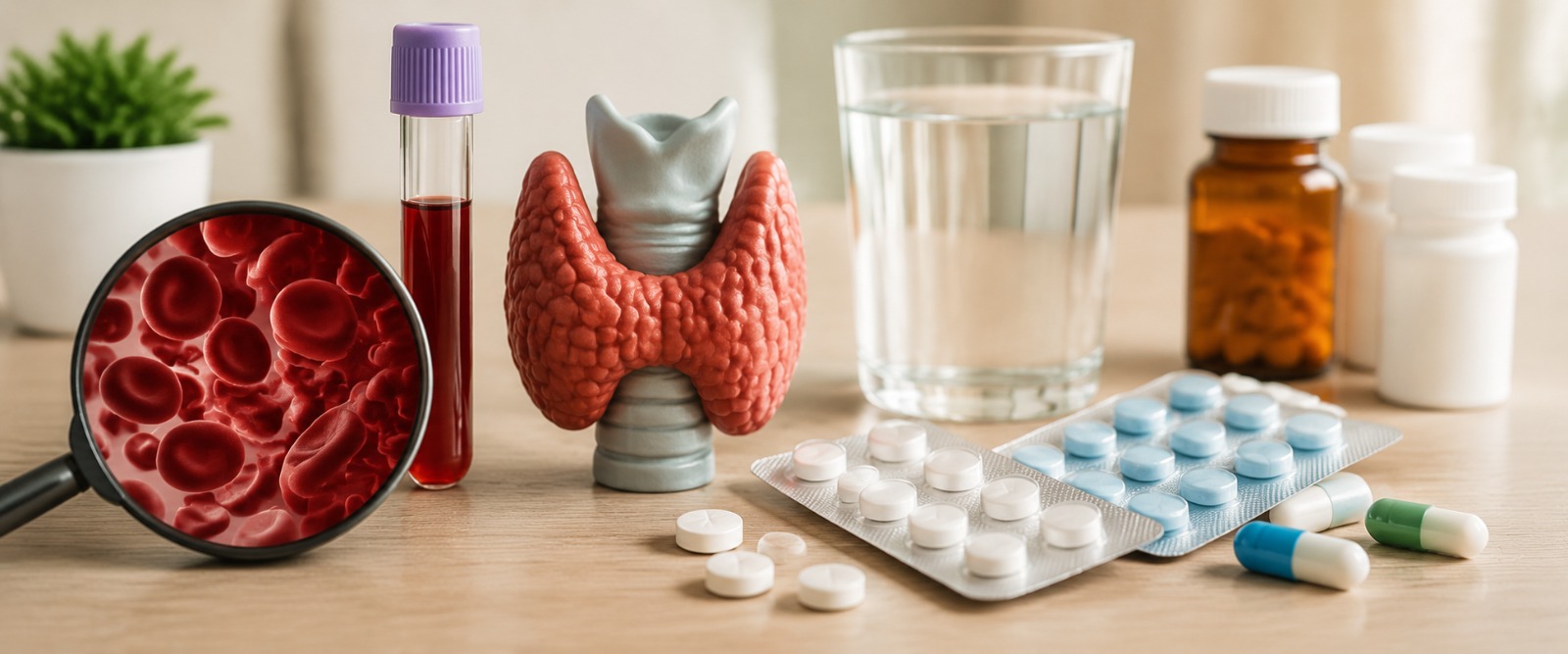
Blood sample tubes and medicine strips on a laboratory bench

Anaemia, Thyroid and Medicines

Low haemoglobin and thyroid problems both lower your BP. Besides, water tablets, prostate medicines and certain antidepressants add to it.

Our diagnostic process

How Our Syncope Diagnosis in KPHB Works

Every Syncope Evaluation in KPHB follows a stepwise plan. Each step either finds an answer or narrows the search further.

1

Detailed History

Our cardiologist asks what you did just before the episode. Additionally, we speak with anyone who watched the fall. Witness details often decide the diagnosis.

2

Examination and BP Checks

We record your BP while lying, and again after standing. A large drop points towards a BP cause. Meanwhile, your pulse and heart sounds give further clues.

3

ECG

An ECG takes under five minutes. It shows rhythm problems, conduction blocks and old heart attacks. Hence every patient gets one on the first visit.

4

2D Echo

This scan checks pumping strength and valve function. Moreover, it detects a thickened heart muscle, a known cause of faints during exertion.

5

Holter or Extended Monitoring

A Holter records your rhythm for twenty-four hours or longer. Because faints stay unpredictable, longer monitoring sometimes helps. For rare episodes, we arrange an implantable loop recorder through our partner hospitals.

6

Blood Tests

We check haemoglobin, sugar, thyroid, electrolytes and the lipid profile. These simple tests explain many cases of giddiness.

7

Advanced Tests When Required

Some patients need a treadmill test, a tilt table test or an electrophysiology study. Accordingly, we arrange these at partner hospitals and review every result with you.

Reports You Carry Home

Every patient receives a written summary. Consequently, any hospital or family doctor can continue the same plan without repeating tests.

Treatment options

Treatment After the Evaluation

Treatment depends entirely on the cause. Therefore, we never start therapy before the diagnosis becomes clear. So a complete Syncope Evaluation in KPHB always comes first.
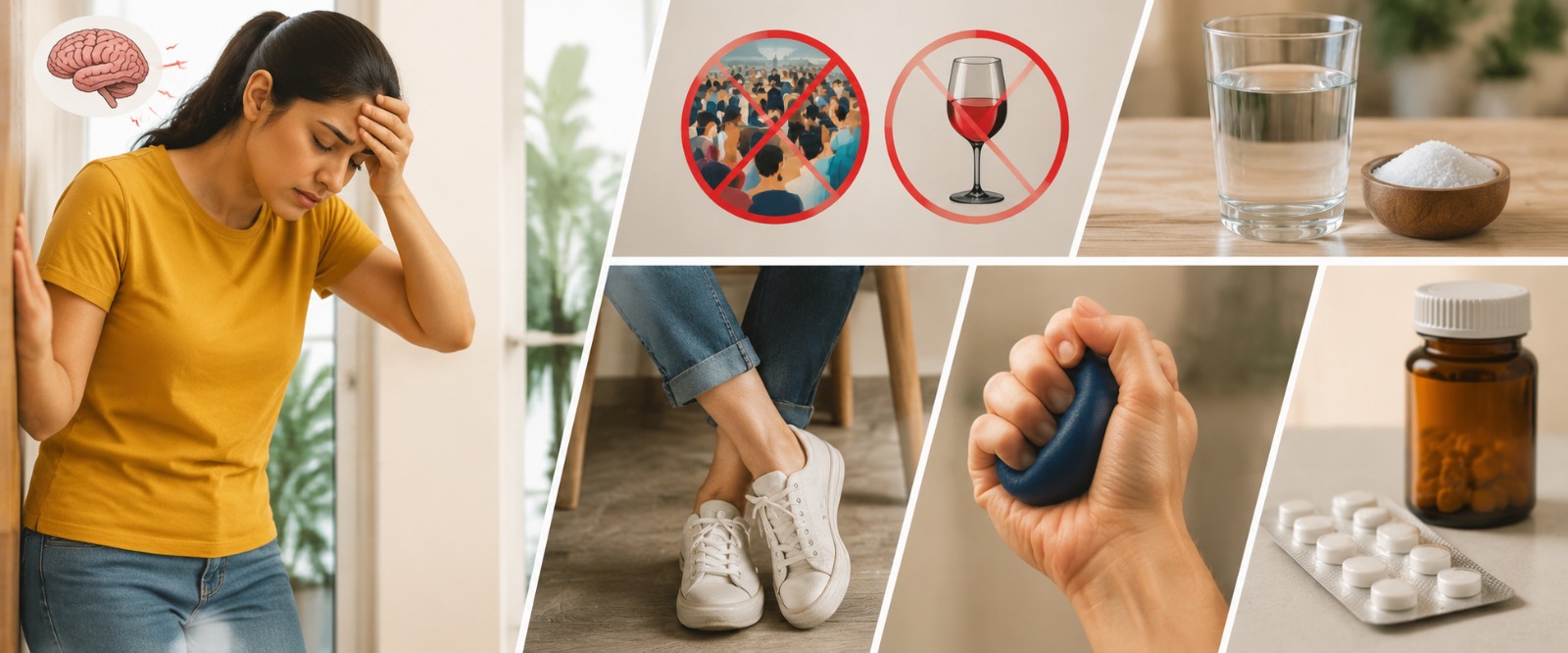
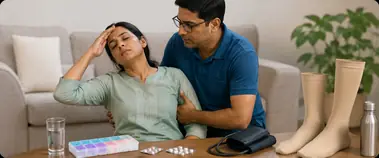
Cardiologist explaining faint triggers to a young patient

Reflex and Vasovagal Faints

  • Trigger education and simple avoidance strategies
  • Fluid and salt guidance suited to your BP readings
  • Counter-pressure moves such as leg crossing and hand gripping
  • Medicines only for stubborn, repeated episodes
Doctor reviewing a patient's current BP medicine list

BP-Related Faints

  • Review and adjustment of your current tablets
  • Slow position changes plus compression stockings
  • Correction of dehydration, anaemia or thyroid problems
Pacemaker device beside a chest X-ray showing the leads

Rhythm-Related Faints

  • Medicines that control fast or irregular rhythms
  • Pacemaker implantation for very slow rhythms, at our partner hospitals
  • ICD or CRT devices for selected high-risk patients, also through partner hospitals
  • Ablation for specific fast rhythms, at partner centres
Cath lab team performing an angiogram procedure

Structural Heart Problems

  • Angiogram and angioplasty for significant blocks, at partner hospitals
  • Valve treatment planning with a heart team
  • Long-term cholesterol and BP control at our clinic
Where Dizziness and Giddiness Treatment in KPHB Fits

Not every dizzy spell starts in the heart. Sometimes the ear or the eyes cause it instead. In such cases, we guide you towards the right specialist. Meanwhile, your heart and cholesterol follow-up continues with us.

Why choose us

Why Patients Choose Our Syncope Specialist in KPHB

Our Syncope Evaluation in KPHB looks beyond the faint itself. Because the heart, the BP and the nervous system act together, we assess all three.

  • Two senior interventional cardiologists with more than 25 years of combined experience
  • ECG and 2D Echo during the same evening visit
  • Lying and standing BP checks at the bedside
  • Cholesterol, BP and rhythm care under one roof
  • A clear written report you can carry to any hospital
  • Evening and Sunday timings built around working families
Your cardiologists

Meet Your Cardiologists

Your Fainting Specialist in KPHB will be one of our two senior consultants. Both doctors handle rhythm, BP and cholesterol problems daily.

Dr. Arun Kumar Kamisetty, syncope specialist in KPHB at Gokul Heart & Cholesterol Clinic

Dr. Arun Kumar Kamisetty

Senior Interventional Cardiologist & Lipidologist

Senior Consultant, Apollo Hospitals, Secunderabad. Former HOD of Cardiology, GEM’S Medical College. Special interest in cholesterol disorders and preventive heart care.
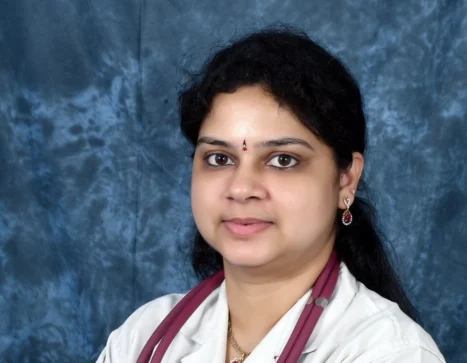
15+ years of clinical experienceApollo Hospitals, SecunderabadCholesterol & preventive care
Dr. Naga Chaitanya Karella, interventional cardiologist in KPHB at Gokul Heart & Cholesterol Clinic

Dr. Naga Chaitanya Karella

Interventional Cardiologist

Gold Medallist in DM Cardiology, KNR University of Health Sciences. Chief Interventional Cardiologist, Dhruva Hospitals. Special interest in cholesterol and BP management.

12+ years of clinical experienceGold Medallist, DM CardiologyCholesterol & BP management

Book Your Syncope Evaluation in KPHB

Fainting deserves a proper answer, not a guess. So carry your old reports and your medicine strips.

FAQs

Frequently Asked Questions — syncope, fainting and giddiness

Is fainting always a heart problem?

No, most faints stay harmless reflex faints. However, some do start in the heart. Therefore, even a first episode deserves an ECG and a clinical review.

What happens during a Syncope Evaluation in KPHB?

Our cardiologist takes a detailed history first. Next, we check your lying and standing BP. Then an ECG follows, along with a 2D Echo in most cases. Finally, you receive a written report and a clear plan.

How long does the first visit take?

Most first visits finish within forty-five to sixty minutes. Additionally, the ECG and 2D Echo happen during the same sitting.

Should I bring someone who saw me faint?

Yes, please do. Witness descriptions often reveal the cause faster than any scan.

Can giddiness on standing improve without medicines?

Often, yes. Fluids, slow standing and counter-pressure moves help many patients. Nevertheless, we review your existing BP tablets as well.

Does a normal ECG rule out a cardiac cause?

Not always. A single ECG captures only a few seconds of your rhythm. Hence we sometimes add Holter monitoring or longer recording.

Do you fit pacemakers at the clinic?

No, pacemaker implantation happens at our partner hospitals. Meanwhile, the assessment, planning and follow-up continue here with us.

Which reports should I carry?

Bring old ECGs, echo reports, blood tests and your current medicine list. Moreover, clear photographs of medicine strips work perfectly well.

Do you offer evening appointments?

Yes, our OPD runs from 6 PM to 9 PM, Monday to Saturday. So you need not take leave from office.

How soon should I see a Fainting Specialist in KPHB?

Come within a few days after a first, simple faint. However, visit immediately if the blackout struck during exertion or caused an injury.
Call Now Button