Subtotal $0.00

Worried About Low BP? Know When to Consult the Best Cardiologist
The room suddenly spins, your vision blurs, and you grab the nearest wall — moments like these push many people to search for the best cardiologist. That scary dizzy spell often points to low blood pressure, also called hypotension. In simple terms, it means a reading below 90/60 mmHg. For many people, it stays harmless. However, for some, it hides a heart, hormone, or nerve problem. Therefore, this guide explains the low BP symptoms, the danger signs, and when the best cardiologist should step in.
What Is Low Blood Pressure (Hypotension)?
Blood pressure is the force of blood pushing against your artery walls. A normal reading stays around 120/80 mmHg. When it drops below 90/60 mmHg, doctors call it hypotension or low BP.
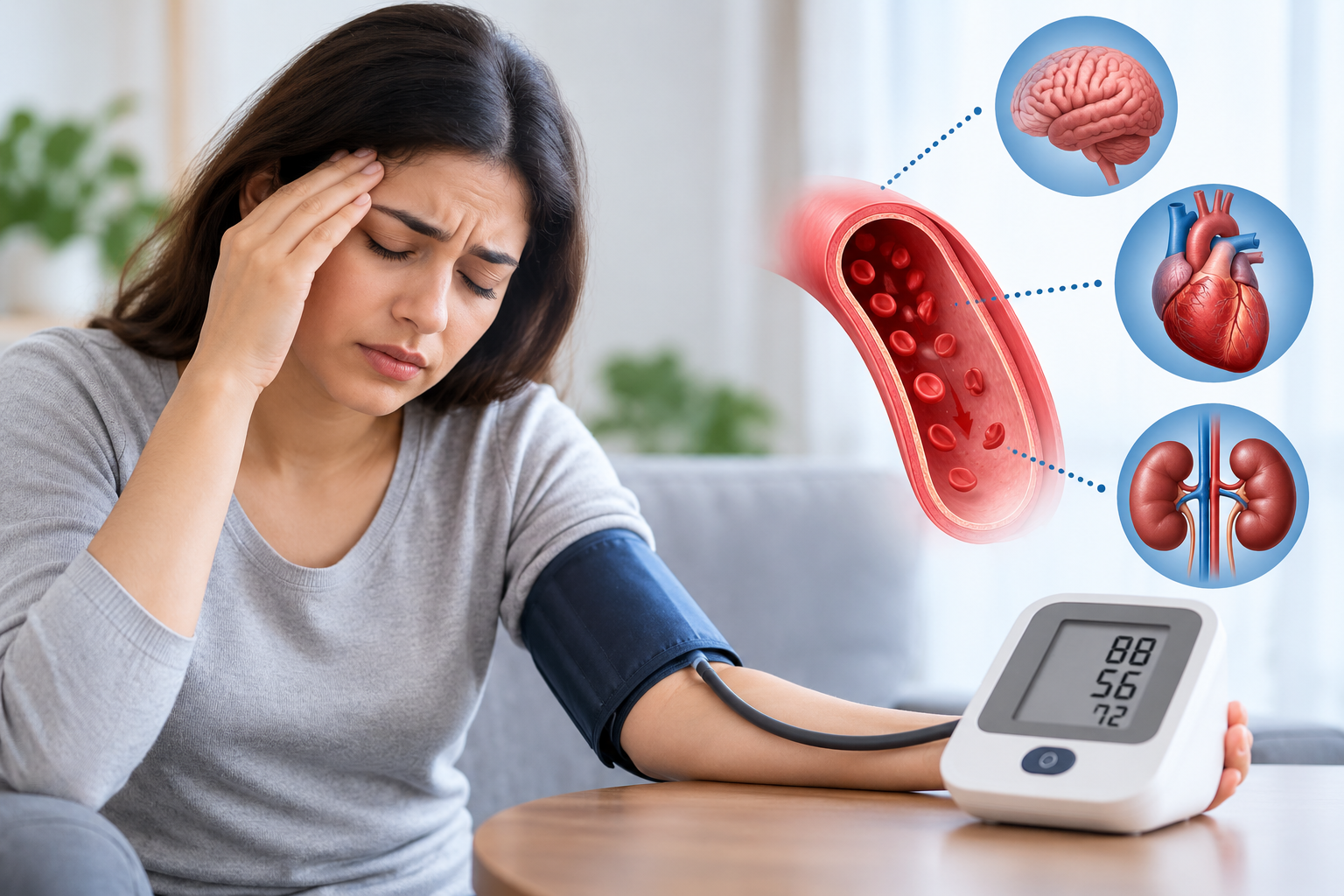
A single low reading rarely worries anyone. Moreover, the best cardiologist checks whether the drop reduces blood supply to the brain, heart, and kidneys. When those organs receive less oxygen, low BP symptoms begin to show.
Low BP Symptoms Every Heart Specialist Wants You to Know
Most people notice low BP symptoms during sudden position changes, long standing hours, or hot afternoons. Watch out for these signs:
- Giddiness or light-headedness, especially while standing up
- Blurred or fading vision
- Weakness and unusual tiredness
- Nausea or an uneasy stomach
- Cold, pale, and clammy skin
- Fast yet shallow breathing
- Poor concentration or a foggy mind
- Fainting (syncope)
How These Symptoms Feel in Daily Life
In daily routine, these signs show up in small ways. For example, you may feel dizzy while getting out of bed. Similarly, you may feel drained after standing in a queue or traveling in the afternoon heat.
Some people also feel drowsy after heavy meals. Consequently, they blame tiredness, while the real cause is a drop in blood pressure.
What Causes Low Blood Pressure?
Several conditions can trigger low BP symptoms. The common causes include:
- Dehydration due to heat, vomiting, or loose motions
- Blood loss from an injury or internal bleeding
- Heart problems such as a very slow heart rate, valve disease, or heart failure
- Hormone issues like thyroid disorders or low cortisol
- Severe infection spreading into the blood (septic shock)
- Serious allergic reactions (anaphylaxis)
- Nutritional gaps, mainly vitamin B12 and folate deficiency
- Pregnancy, especially in the first six months
- Side effects of medicines, including some BP, heart, and depression tablets
Many of these causes overlap. Consequently, the best cardiologist always reviews your full medicine list and history before starting treatment.
Types of Hypotension a Top Heart Doctor Looks For
Doctors group hypotension into a few types. Each type produces low BP symptoms in a slightly different pattern.
Orthostatic (Postural) Hypotension
This type occurs when you stand up quickly. Blood pools in the legs, so pressure falls for a few seconds. A drop of 20 mmHg in the upper reading within three minutes confirms it. Elderly people face this type most often.
Postprandial Hypotension
Here, pressure falls one to two hours after meals. Blood rushes to the digestive system, and hence the brain gets less supply. Heavy, carbohydrate-rich meals usually trigger it.
Neurally Mediated Hypotension
Long standing hours confuse the signals between the heart and brain. As a result, BP drops suddenly. Young adults and school children commonly report this type.
Severe Hypotension Linked to Shock
This is the most dangerous form. Blood pressure crashes because of major blood loss, severe infection, or a heart emergency. Without quick treatment, vital organs begin to shut down.
When Is Low BP Dangerous?
Occasional mild giddiness is usually not alarming. On the other hand, certain low BP symptoms signal a medical emergency. Rush to the nearest hospital if you or a family member shows these signs:
- Confusion or difficulty in speaking clearly
- Cold, sweaty, and bluish skin
- Weak and rapid pulse
- Chest pain or heaviness along with the BP drop
- Fainting or repeated blackouts
- Very low urine output through the day
- Breathlessness even while resting
Furthermore, a sudden BP crash after an injury, severe vomiting, or high fever needs immediate attention. Once the emergency settles, a follow-up with the best cardiologist helps prevent a repeat episode.
Simple Home Care for Mild Low BP
For mild and occasional episodes, simple habits help a lot:
- Drink enough water through the day, especially in summer
- Rise slowly from bed; sit for a minute before standing
- Eat small, frequent meals instead of two heavy ones
- Add a little extra salt only after your doctor approves it
- Limit alcohol, since it widens blood vessels and lowers BP further
- Use compression stockings if your doctor recommends them
- Avoid standing still for long hours in the heat
Meanwhile, keep a small diary of your readings. Note the time, the activity, and the symptom. This record helps the best cardiologist find the exact pattern behind your episodes.
When to Consult the Best Cardiologist for Low BP
Book an appointment with the best cardiologist near you if the episodes repeat every week, cause falls, or come with chest discomfort. Additionally, people with diabetes, heart disease, or thyroid problems should never ignore frequent BP drops.
How to Identify the Best Cardiologist Near You
Picking the right specialist makes treatment faster and safer. Hence, check these points before you book:
- A DM Cardiology qualification, the highest degree in heart care in India
- Solid experience in treating BP, heart rhythm, and cholesterol problems
- In-clinic tests such as ECG, 2D Echo, and Holter under one roof
- OPD timings that suit working professionals and elderly patients
- Clear, simple explanations instead of confusing medical terms
The best cardiologist combines these qualities with a patient, caring approach.
What Happens During the Consultation?
The cardiologist first studies your symptom pattern, readings diary, and medicine list. After that, specific tests confirm the exact cause instead of guesswork.
Tests the Best Cardiologist May Suggest
- ECG to check the heart rhythm
- 2D Echo to assess pumping strength and valves
- Holter monitoring to track rhythm changes over 24–48 hours
- Tilt table test for unexplained fainting
- Blood tests for hemoglobin, thyroid, blood sugar, electrolytes, and vitamin B12
Preparing for Your Appointment
Carry your BP diary, previous reports, and current medicines. Consequently, the doctor reaches the diagnosis faster and adjusts your treatment safely.
A Quick Tip
Note down your questions in advance, so the consultation covers everything that worries you.
Book Your Low BP Check at Gokul Heart & Cholesterol Clinic, KPHB
Frequent giddiness or fainting deserves expert attention, not guesswork. At Gokul Heart & Cholesterol Clinic in KPHB, Kukatpally, two DM Cardiology specialists — Dr. Arun Kumar Kamisetty and Dr. Naga Chaitanya Karella — evaluate low BP with ECG, 2D Echo, and Holter tests under one roof.
Moreover, the evening OPD (Monday–Saturday, 6–9 PM; Sunday, 10 AM–1 PM) suits working professionals and elderly patients alike. Call 89196 07118 or book online today, so the best cardiologist for your case can guide your treatment.
FAQs on Low BP and the Best Cardiologist
1. What BP reading is considered low?
A reading below 90/60 mmHg is generally low. However, doctors also consider your symptoms and your usual baseline.
2. What are the first symptoms of low BP?
Giddiness, blurred vision, weakness, and nausea are the earliest signs of low blood pressure for most people.
3. Is low BP dangerous during pregnancy?
Mild drops are common in early pregnancy. Yet, repeated fainting or severe weakness needs a doctor’s review.
4. Can drinking water raise low blood pressure?
Yes. Fluids increase blood volume, so water and ORS help during mild dehydration-related drops.
5. Does low BP cause heart attacks?
Low BP itself rarely causes a heart attack. However, a sudden crash in pressure can be a sign of a serious heart problem, so get it checked.
6. How do I find the best cardiologist for low BP in Hyderabad?
Look for a DM Cardiology degree, strong experience, and in-clinic tests like ECG and 2D Echo. In addition, convenient OPD timings make regular follow-up easier.
7. When should I see a heart specialist instead of a general physician?
Visit a cardiologist when low BP comes with chest pain, palpitations, fainting, or an existing heart condition.

