Subscribe to out newsletter today to receive latest news administrate cost effective for tactical data.

Let’s Stay In Touch

Shopping cart

Subtotal $0.00

View cartCheckout

Chest Pain Evaluation

Chest Pain Treatment in KPHB, Hyderabad

Find out today whether your heart is behind it. Chest pain has many causes and only some are cardiac, so chest pain treatment in KPHB begins with a proper diagnosis. At Gokul Heart & Cholesterol Clinic, KPHB Colony, our interventional cardiologists carry out a full chest pain evaluation using ECG, 2D Echo, TMT and blood markers, then treat what they find.

Persistent or exertional chest pain? Get a cardiac evaluation, not another antacid.

Mon – Sat 6:00 PM – 9:00 PM  ·  Sunday 10:00 AM – 1:00 PM

Same-day
ECG & 2D Echo
DM
Cardiology specialists
Walk-ins
Accepted
KPHB
Kukatpally, Hyderabad
What it is

Chest pain evaluation: the step before treatment

A chest pain evaluation answers one question: is your heart causing this pain? A cardiologist takes your history, examines you, and tests the heart's electrical activity, pumping function and blood supply.

The same discomfort can come from the heart, the stomach, a chest muscle, the lungs or anxiety. Chest pain treatment in KPHB starts with knowing which — the reason most people look for a chest pain specialist in Kukatpally rather than wait it out.

At our KPHB Colony clinic, interventional cardiologists run the evaluation themselves. Your ECG and 2D Echo are read by the same specialist who would treat the problem, usually in one visit, continuing as a coronary artery disease evaluation where the findings call for it.

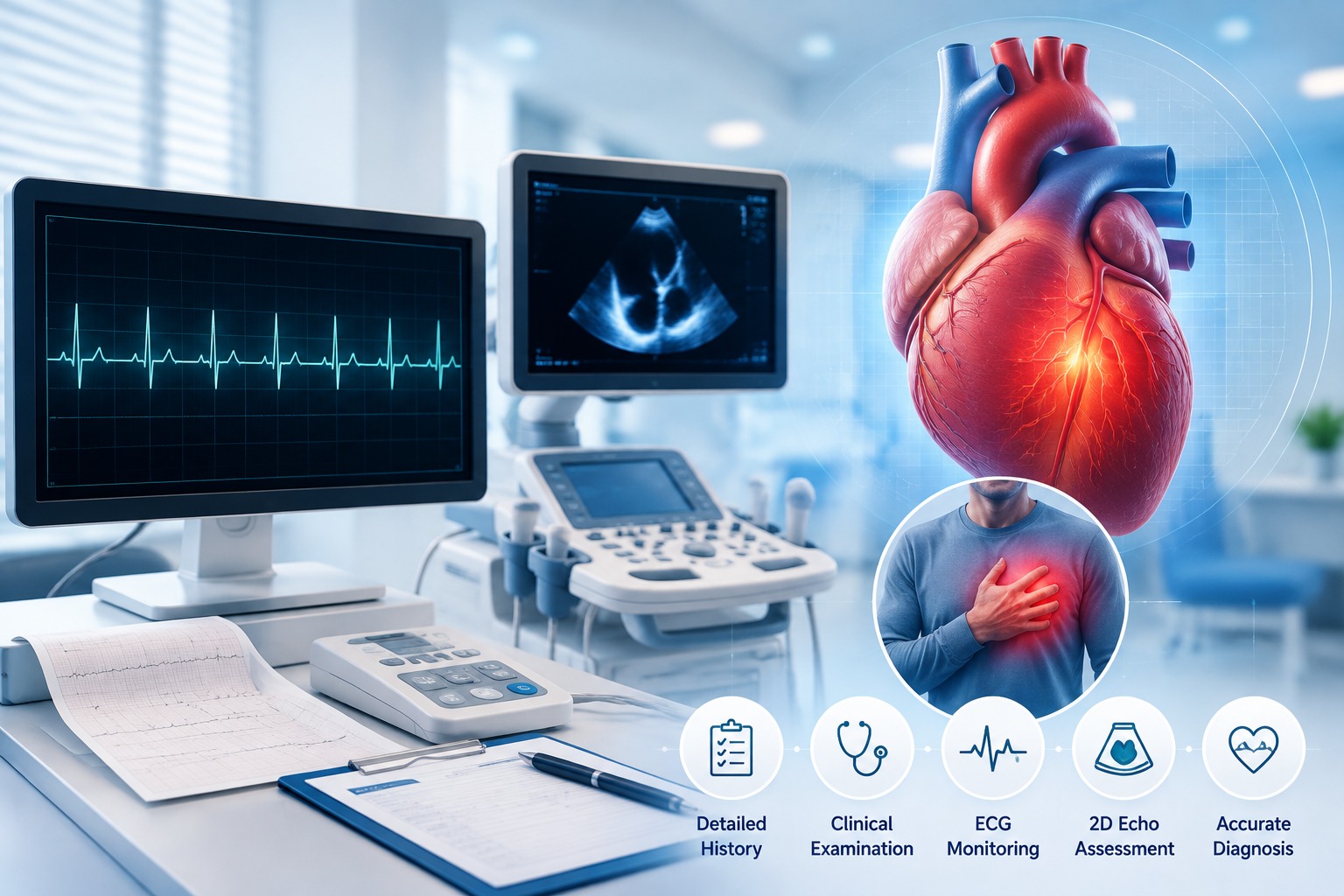
ECG and cardiac monitoring for chest pain evaluation at Gokul Heart & Cholesterol Clinic, KPHB
Symptoms

Is my chest pain heart related? What cardiac chest pain feels like

If you are asking whether your chest pain is heart related, start with the pattern rather than the location. Cardiac pain is more often a pressure than a stab, it rarely arrives alone, and the symptoms accompanying it carry as much information as the pain itself.

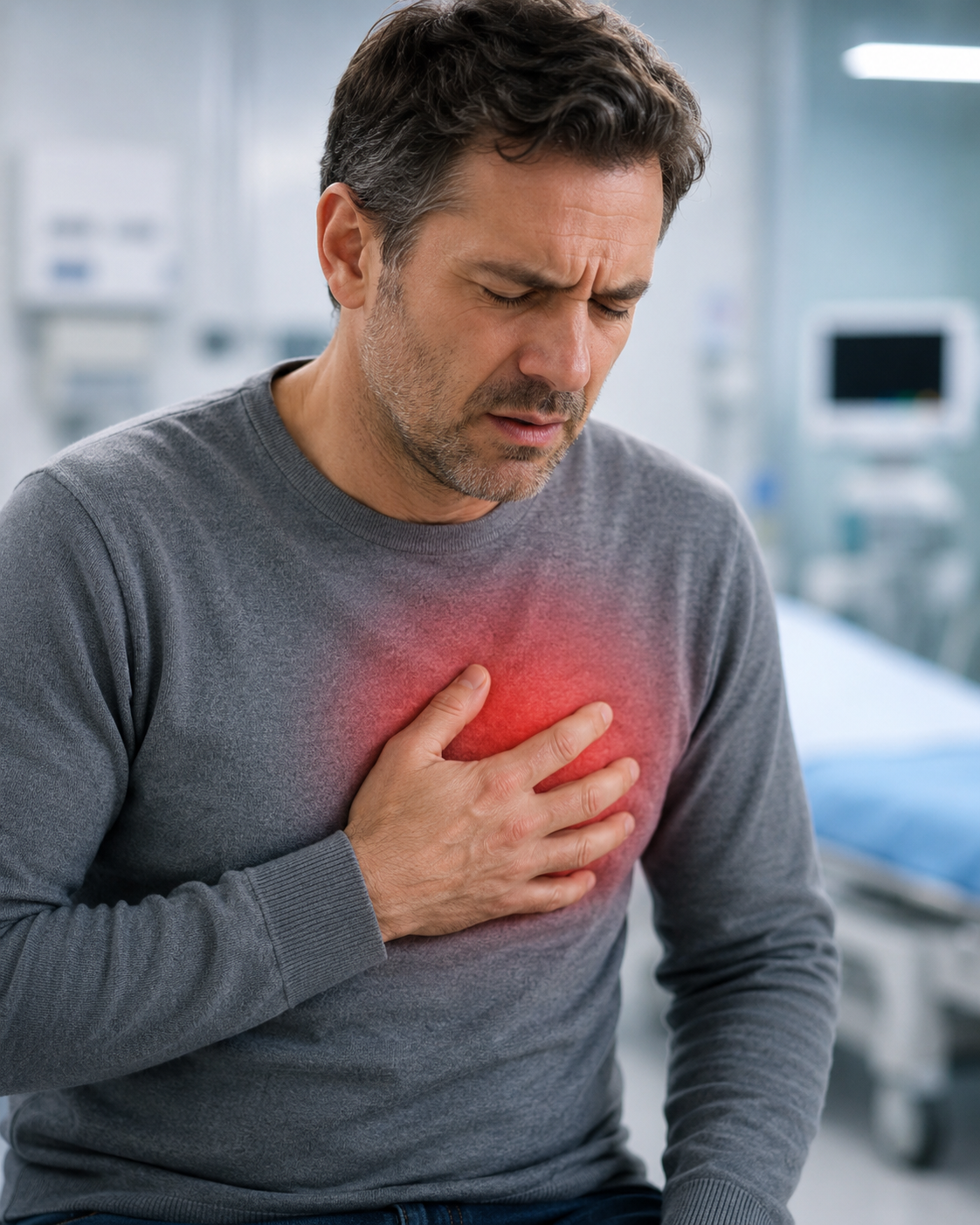
Heaviness and tightness across the chest

Chest tightness

Heaviness, tightness or squeezing in the centre or left of the chest.

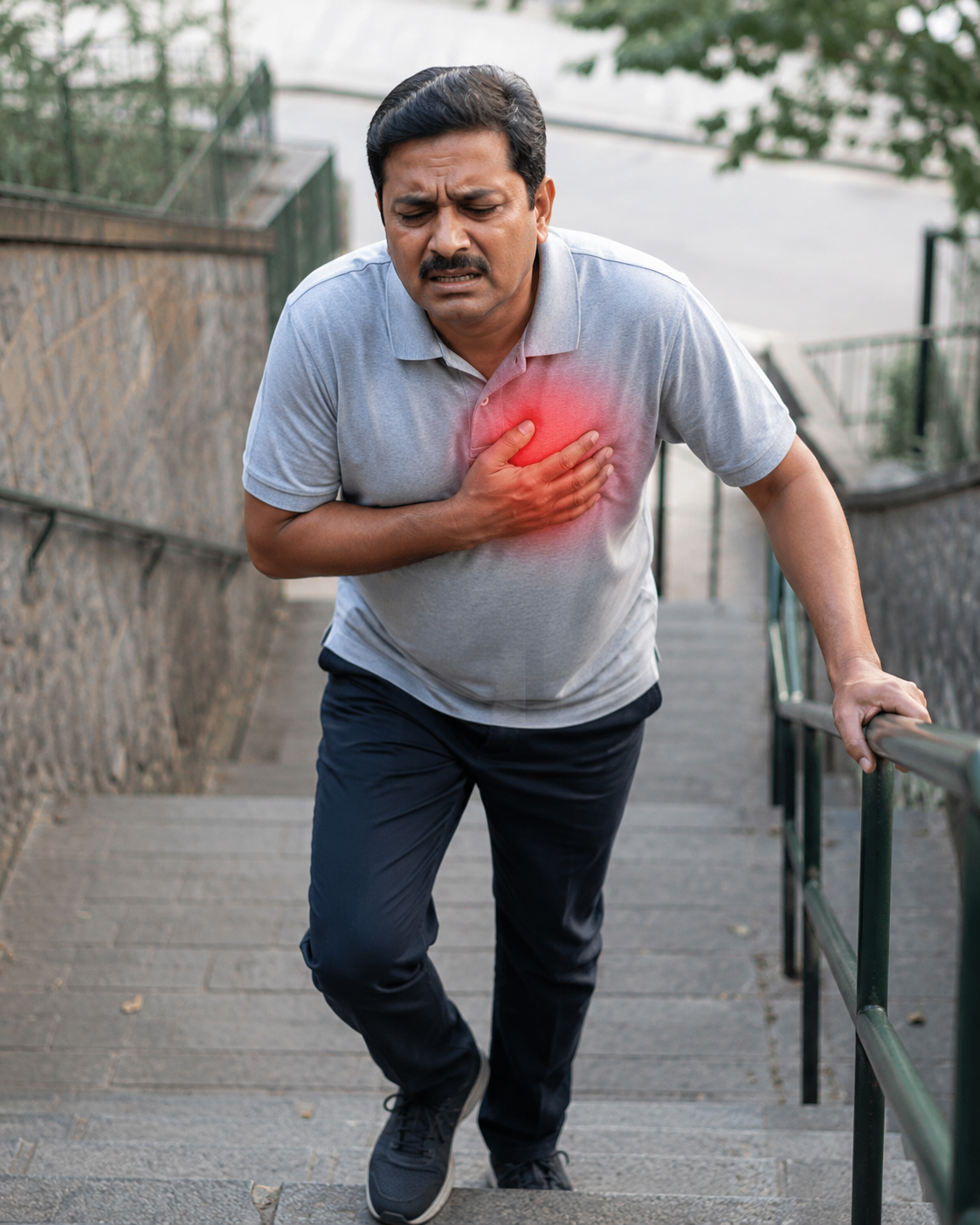
Chest discomfort brought on by climbing stairs

Pain on exertion

Discomfort that starts on exertion, walking uphill or climbing stairs.
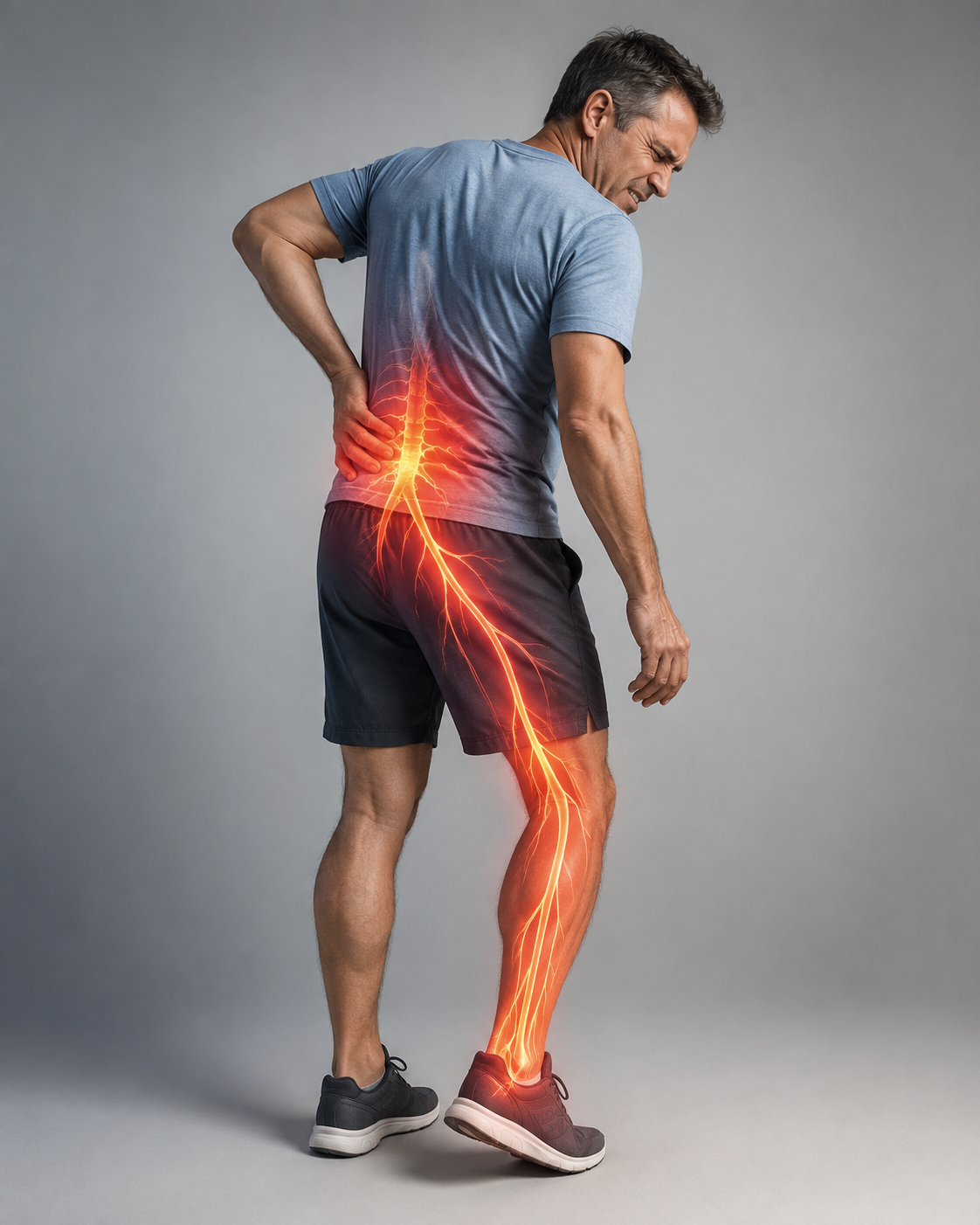
Pain radiating from the chest to the left arm and jaw

Radiating pain

Pain that spreads to the left arm, shoulder, jaw, neck or upper back.
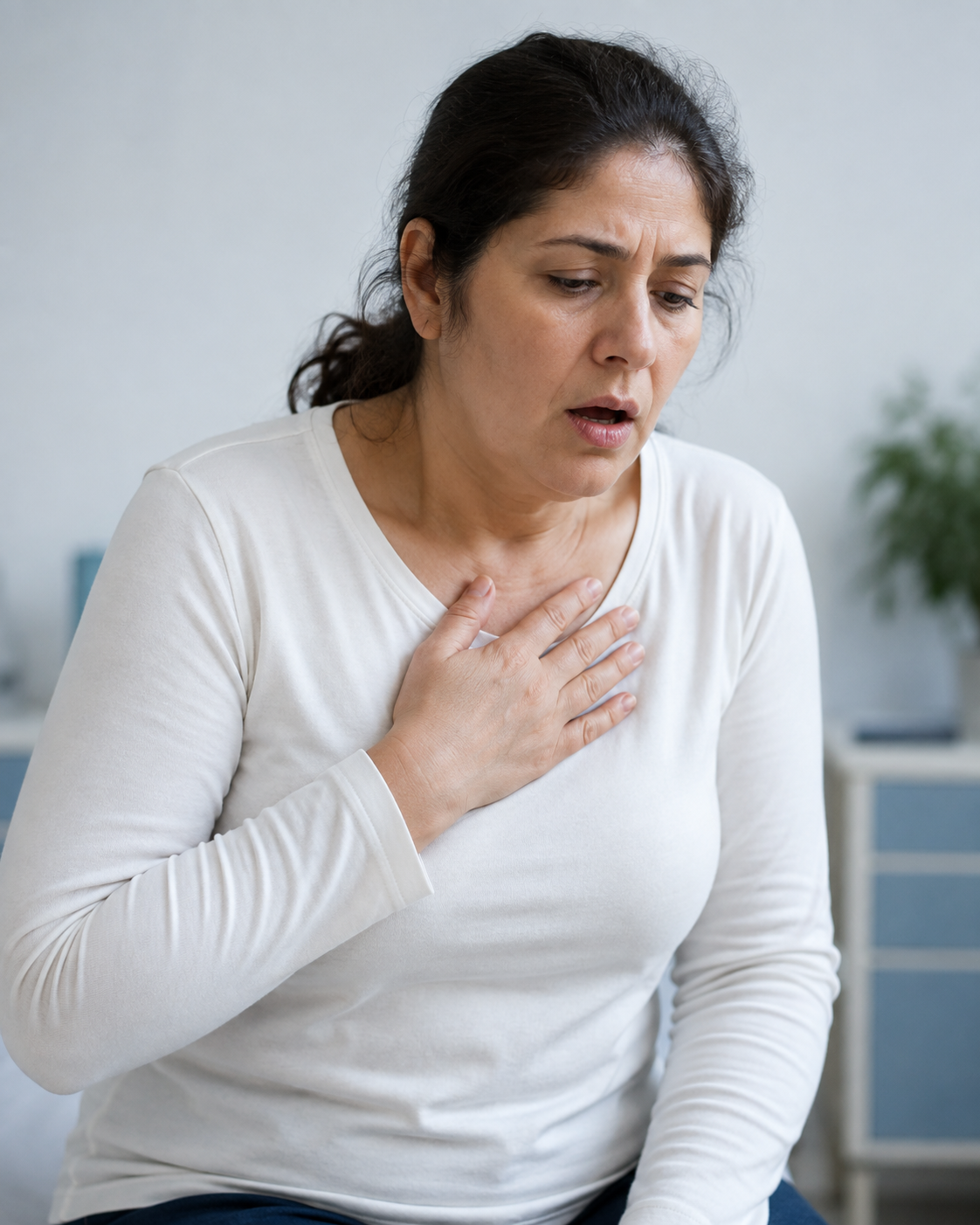
Person short of breath after mild activity

Breathlessness

Shortness of breath on mild activity, or while lying flat.
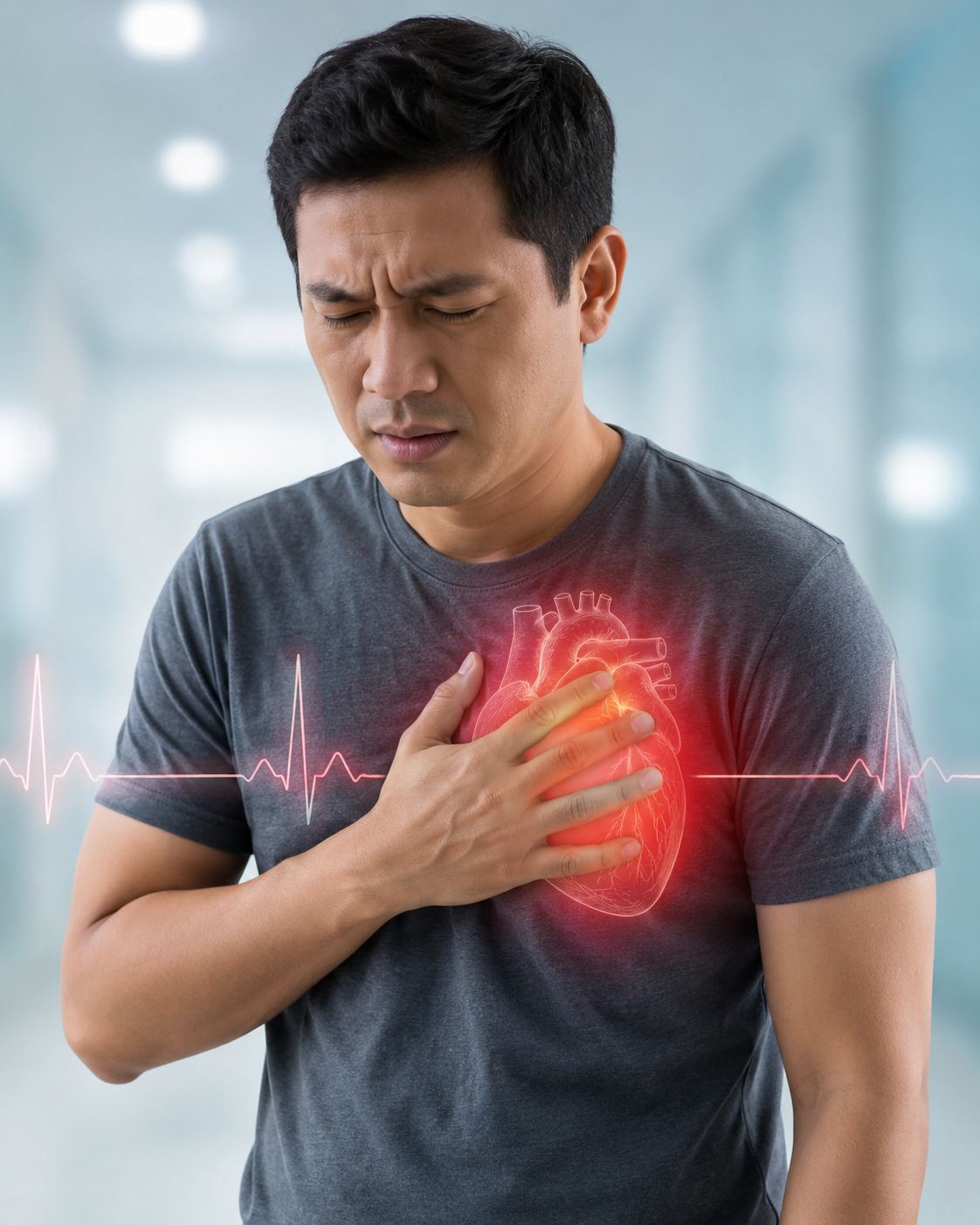
Illustration of an irregular, racing heartbeat

Palpitations

Fluttering, thumping or a racing heartbeat.

Person feeling unusually tired with reduced exercise capacity

Unusual fatigue

Tiredness and a noticeable drop in exercise capacity.
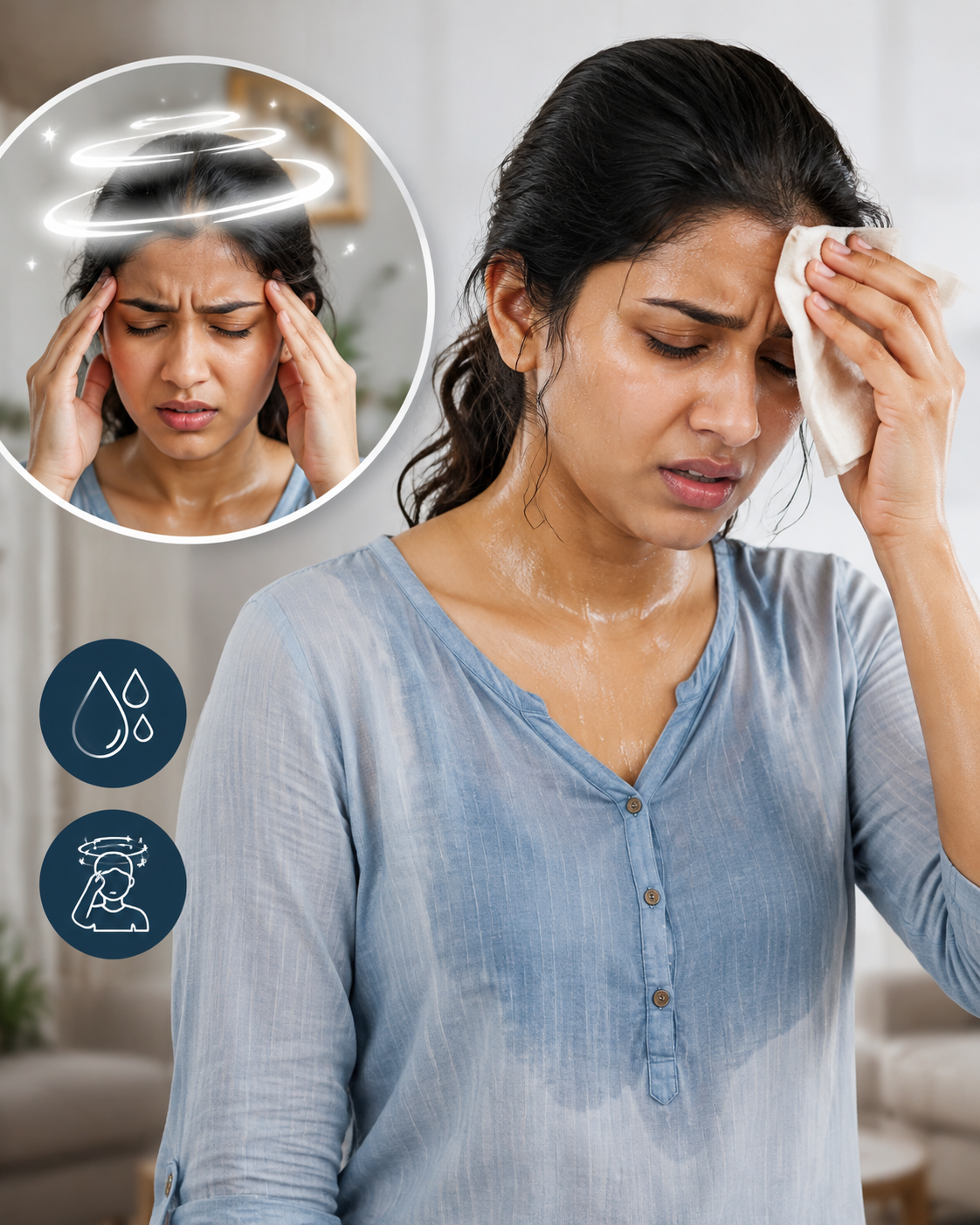
Person sweating and feeling giddy alongside chest discomfort

Sweating and giddiness

Sweating, giddiness or a feeling of unease alongside the pain.

Close-up of swelling around the feet and ankles

Swelling in the feet

Swelling of the feet or ankles.

Get the label right

Chest pain vs gas pain: the difference that delays treatment

Most patients arrive having already named their problem. The chest pain vs gas pain difference is the one people get wrong most often, and the wrong label is what costs weeks.

"Gas problem"

Pressure or heaviness in the chest after eating

Can be reflux, but exertional heaviness with this pattern is often angina

"Gastric pain"

Burning behind the breastbone

Usually acid reflux, but overlaps with cardiac pain often enough to need an ECG

"Heart attack"

Any severe chest pain

A myocardial infarction is a blocked artery. Angina is reduced flow without a completed block

"Cardiac arrest"

Used interchangeably with heart attack

Different events. Cardiac arrest is the heart stopping. A heart attack can trigger it, but they are not the same

"Blockage"

Something needing immediate surgery

Most narrowing is graded. Many blockages are managed with medication alone, not a stent

"Weakness in the heart"

A vague sense of cardiac trouble

Usually refers to reduced ejection fraction, which a 2D Echo measures precisely

"Heart pain"

Any chest discomfort assumed to be cardiac

Useful instinct, imprecise term. Heart pain treatment differs completely depending on whether the cause is angina, arrhythmia or a valve problem

"Stunt"

The procedure to open an artery

The correct term is a stent, placed during angioplasty (PTCA)

Why it happens

Why chest pain happens, including left side chest pain

Cardiac chest pain almost always comes down to one thing: the heart muscle is not getting the blood supply it needs for the work it is being asked to do.
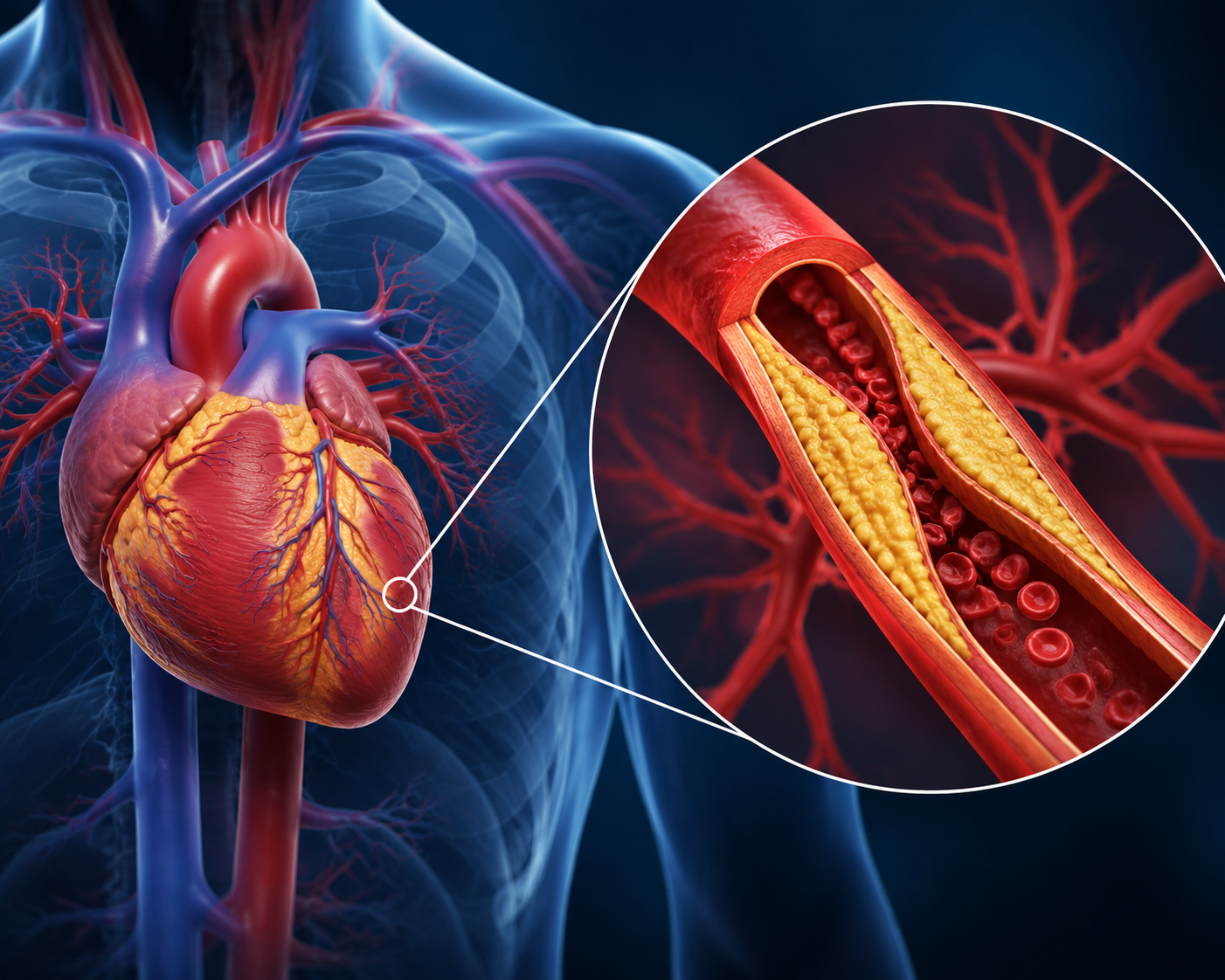
Cross-section illustration of a coronary artery narrowed by cholesterol plaque

Coronary artery disease

Cholesterol plaque builds up inside the arteries supplying the heart and narrows them. Blood flow is adequate at rest but falls short on exertion, which is when the pain appears.
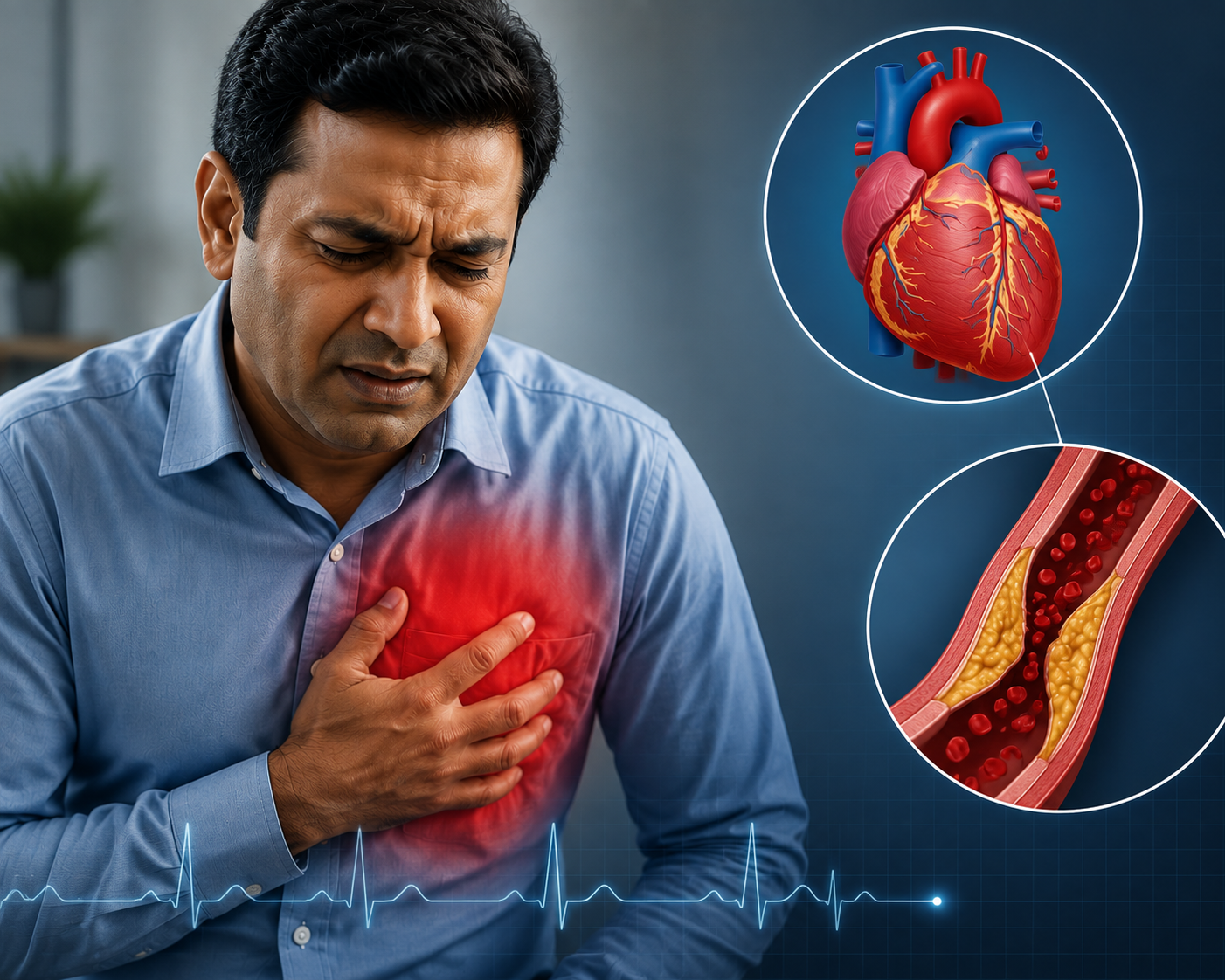
Illustration of reduced blood flow to the heart muscle causing angina

Angina

The symptom produced by that shortfall. Stable angina follows a predictable pattern with exertion. Unstable angina comes at rest or worsens quickly, and needs urgent assessment.
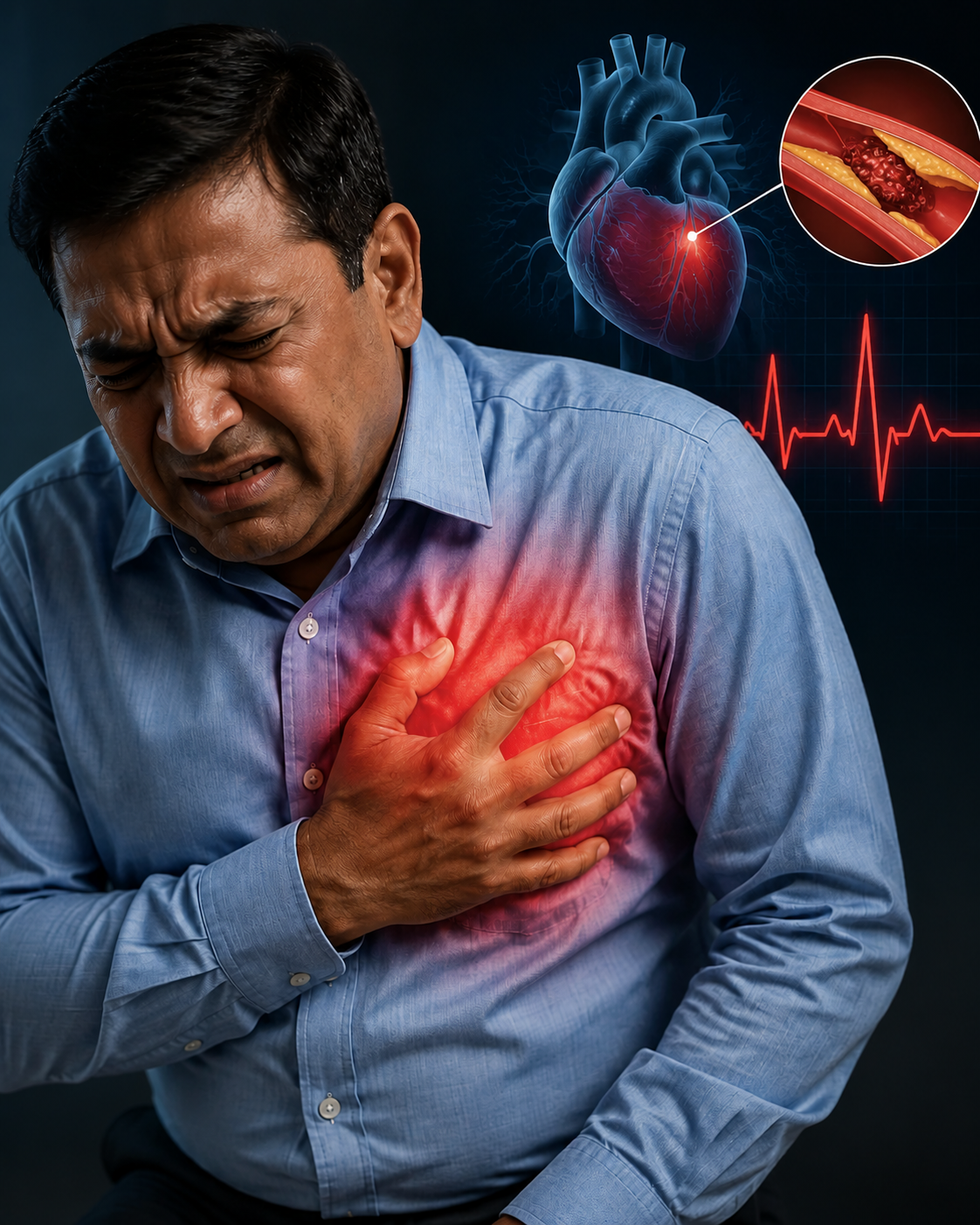
Illustration of a coronary artery fully blocked by a clot during a heart attack

Heart attack

A plaque ruptures and a clot blocks the artery completely. Heart muscle begins to die within minutes. This is a medical emergency, not a clinic visit.
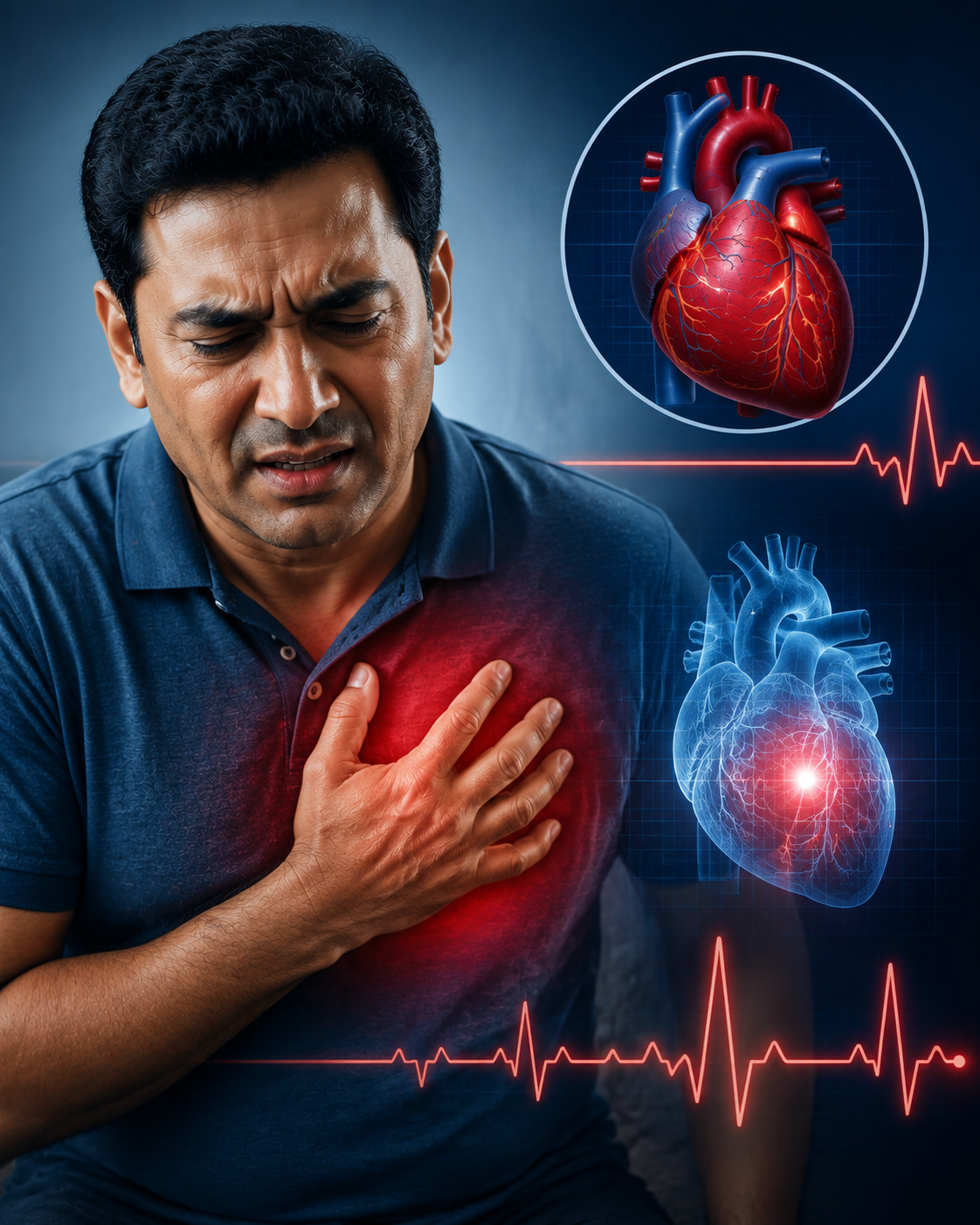
ECG trace showing an irregular heart rhythm

Arrhythmia

An irregular or very fast heartbeat reduces pumping efficiency and can cause chest discomfort, fluttering, dizziness or near-collapse.
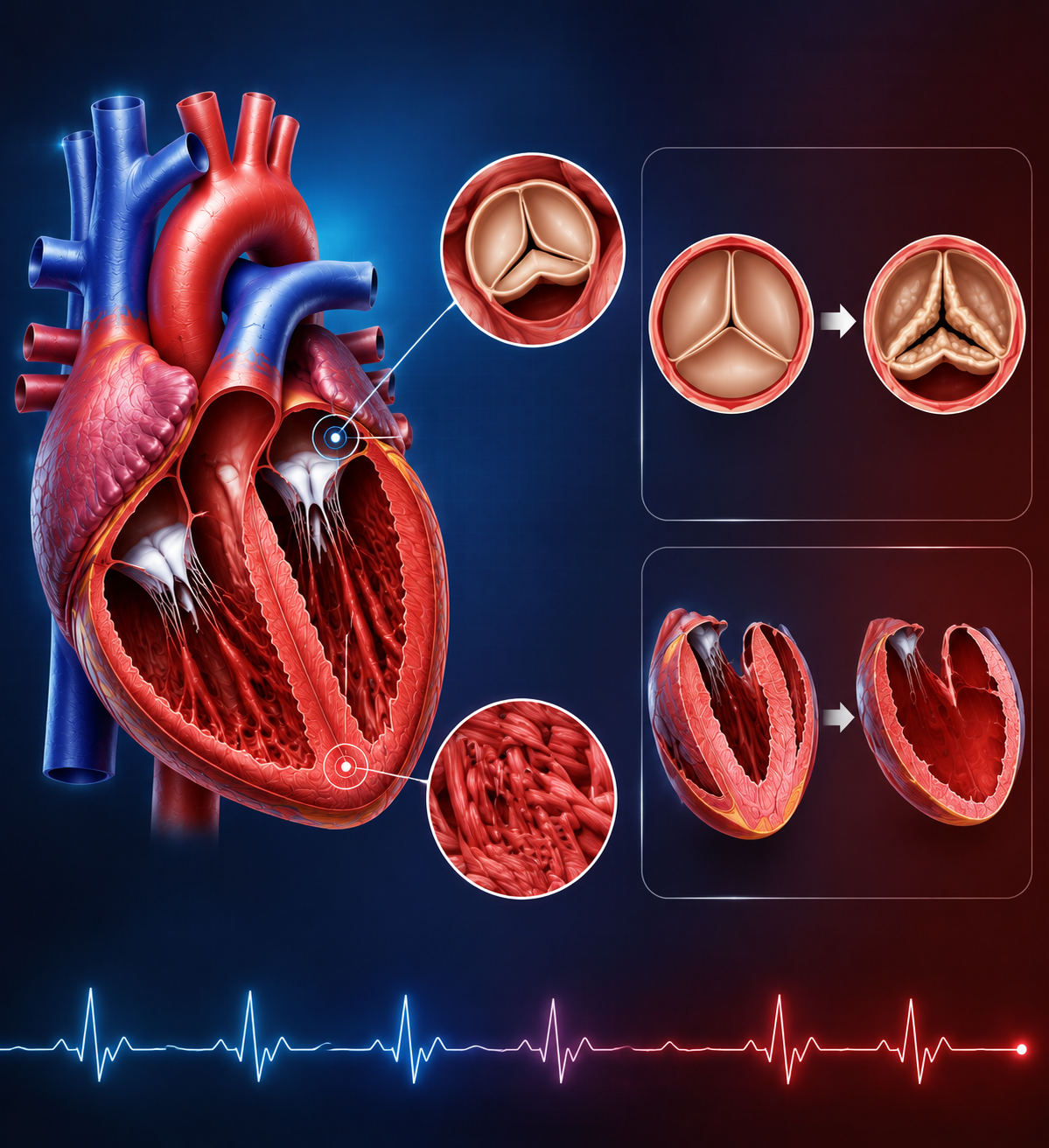
Illustration of a heart valve and heart muscle under strain

Valve and heart muscle disease

A narrowed or leaking valve, or a thickened or weakened heart muscle, forces the heart to work harder than its blood supply allows.
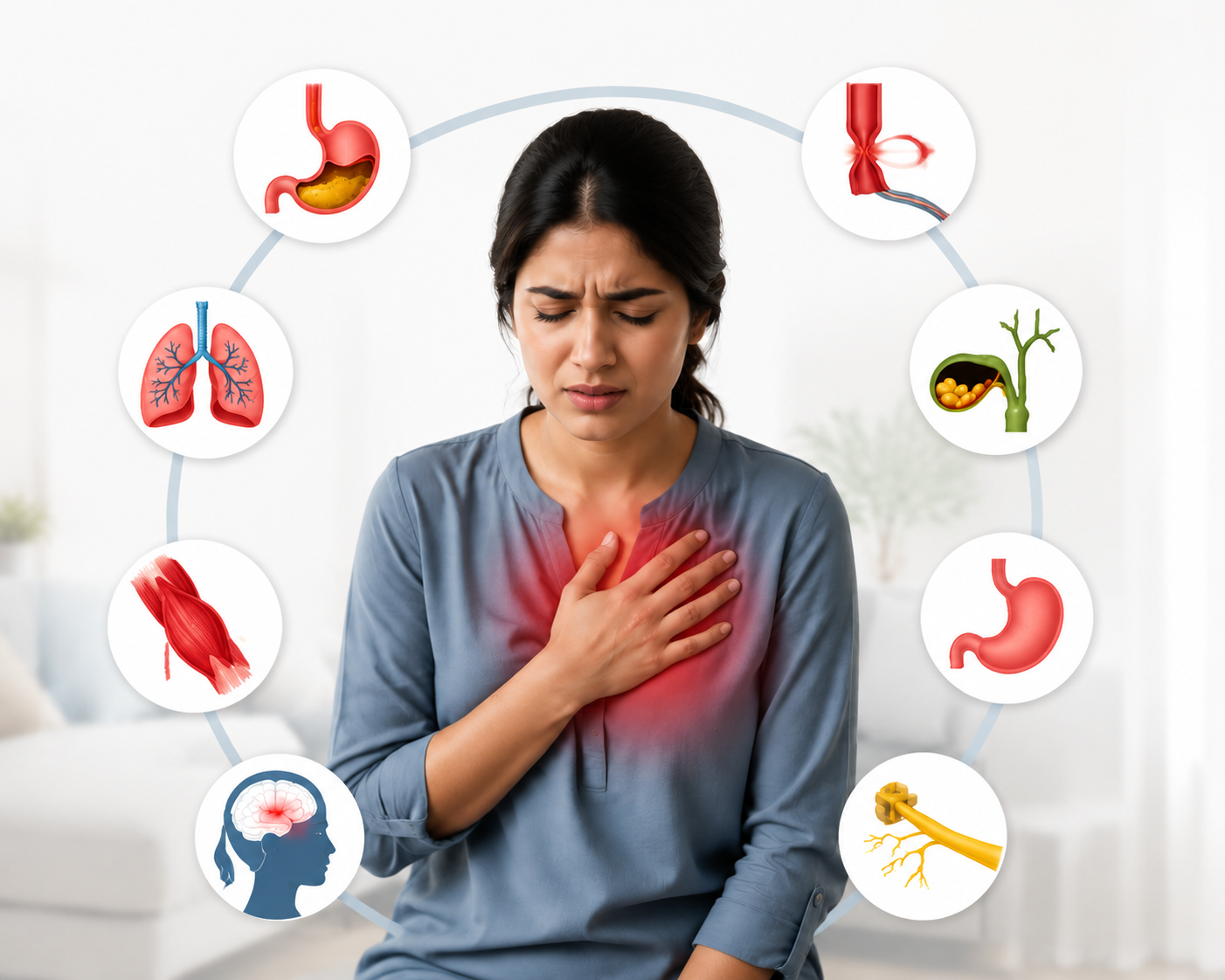
Illustration contrasting reflux and muscular strain with cardiac chest pain

Non-cardiac causes

Acid reflux, muscular strain, costochondritis, lung conditions and anxiety. If your heart is clear, we tell you so and direct you to the right specialist.

Our diagnostic process

How we diagnose chest pain at our KPHB clinic

The ECG and TMT test for chest pain in KPHB, along with 2D Echo, are all done in-house, in five steps ordered so that each test is chosen on the findings of the one before it.

1
First 10 minutes

History and clinical examination

The cardiologist maps the character, timing and triggers of your pain, then reviews your blood pressure, sugar, cholesterol, tobacco use and family history to establish your actual risk level.

2
Same visit

ECG

A resting electrocardiogram records the heart's electrical activity and picks up signs of ongoing or previous ischaemia and rhythm disturbances. Quick, painless, and the first test in almost every chest pain workup.

3
Same visit

2D Echo

A 2D Echo for chest pain is an ultrasound scan of the heart showing pumping strength, valve function, chamber size and wall movement. Performed at our Kukatpally clinic, it reveals structural problems an ECG cannot detect.

4
If indicated

TMT and blood tests

A treadmill stress test shows how your heart behaves under exertion, which is often when hidden narrowing first appears. Troponin, lipid profile, HbA1c and thyroid tests are added where the history calls for them.

5
Where narrowing is suspected

CT coronary angiogram or coronary angiography

Direct imaging of the coronary arteries to locate and grade blockages. This is what determines whether medication is enough, or whether angioplasty and stenting are needed. We arrange and coordinate these at partner facilities.

Treatment options

How your chest pain is treated once the cause is clear

Treatment follows the diagnosis, not the severity of the pain. Angina treatment, coronary artery disease and arrhythmia each take a different path.

Blood pressure monitor and cholesterol test used for risk factor control

Risk factor control

Does more for your long-term outcome than any single procedure.
  • Blood pressure, sugar and cholesterol in target range
  • Tobacco stopped completely, gutkha included
  • Activity increased gradually, under supervision
  • Weight and waist reduced where needed
  • Sleep and stress treated as clinical factors
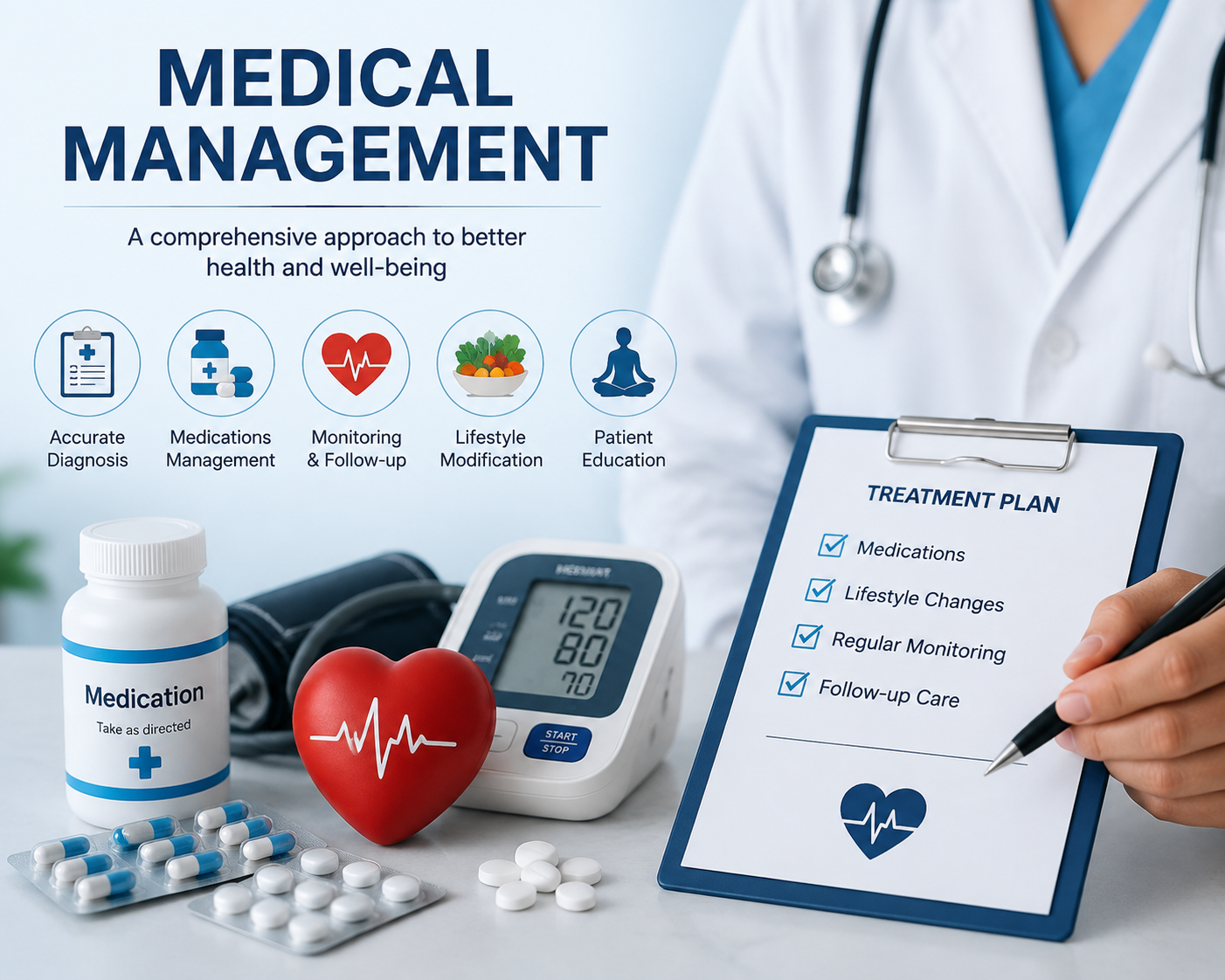
Cardiac medications used to manage angina and coronary artery disease

Medical management

Where treatment starts for most patients. Stable angina usually responds to medication alone.
  • Antiplatelets to cut clot risk
  • Statins and lipid-lowering therapy to stabilise plaque
  • Beta blockers or calcium channel blockers to ease workload
  • Nitrates for relief during an episode
  • Blood pressure and diabetes medication reviewed together
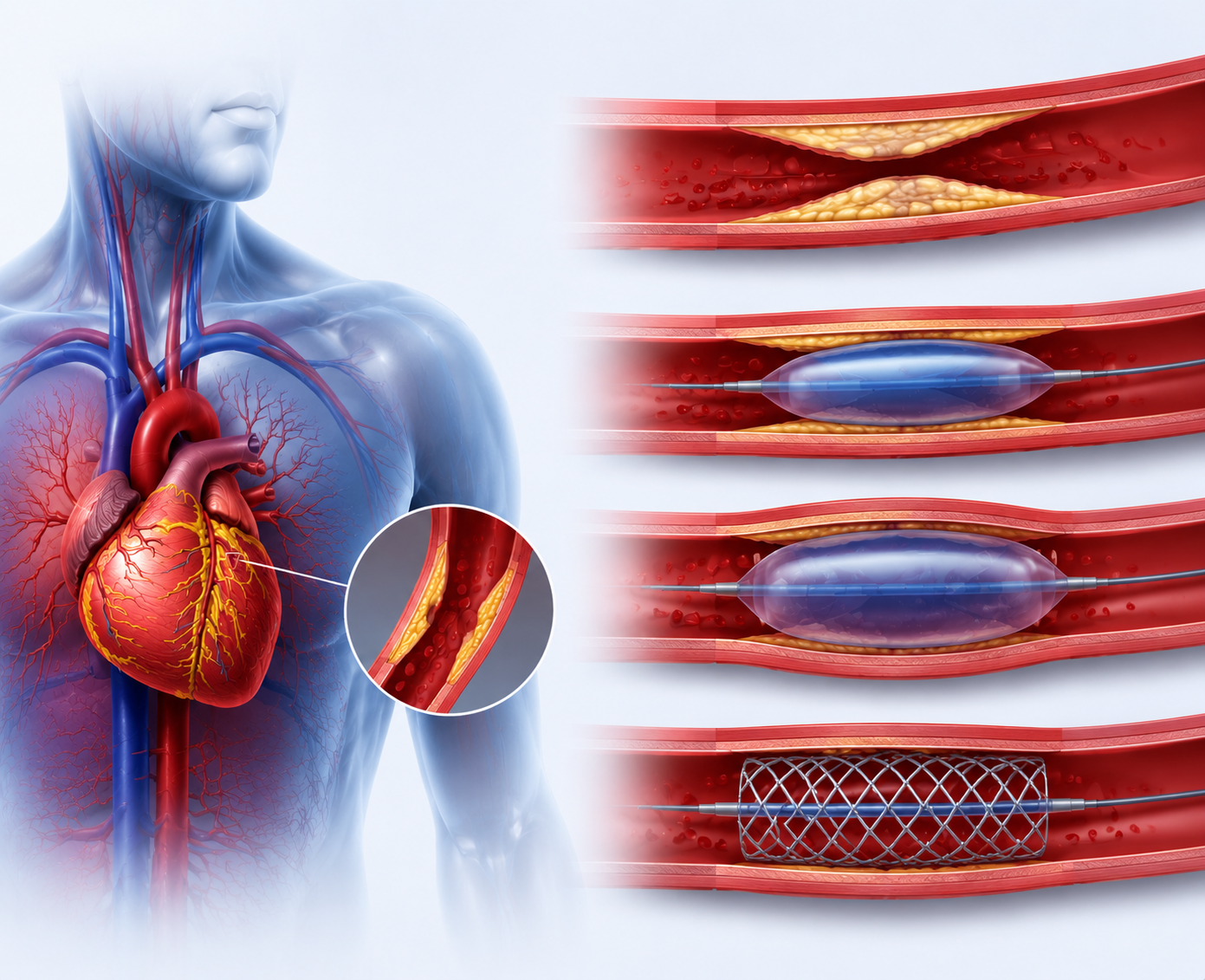
Illustration of a coronary stent being placed during angioplasty

Angioplasty and stenting (PTCA)

A balloon opens the artery, a stent holds it open. Local anaesthesia, home in a day or two.
  • For a significant blockage when medication is not enough
  • Standard emergency treatment during a heart attack
  • Followed by antiplatelet therapy and review
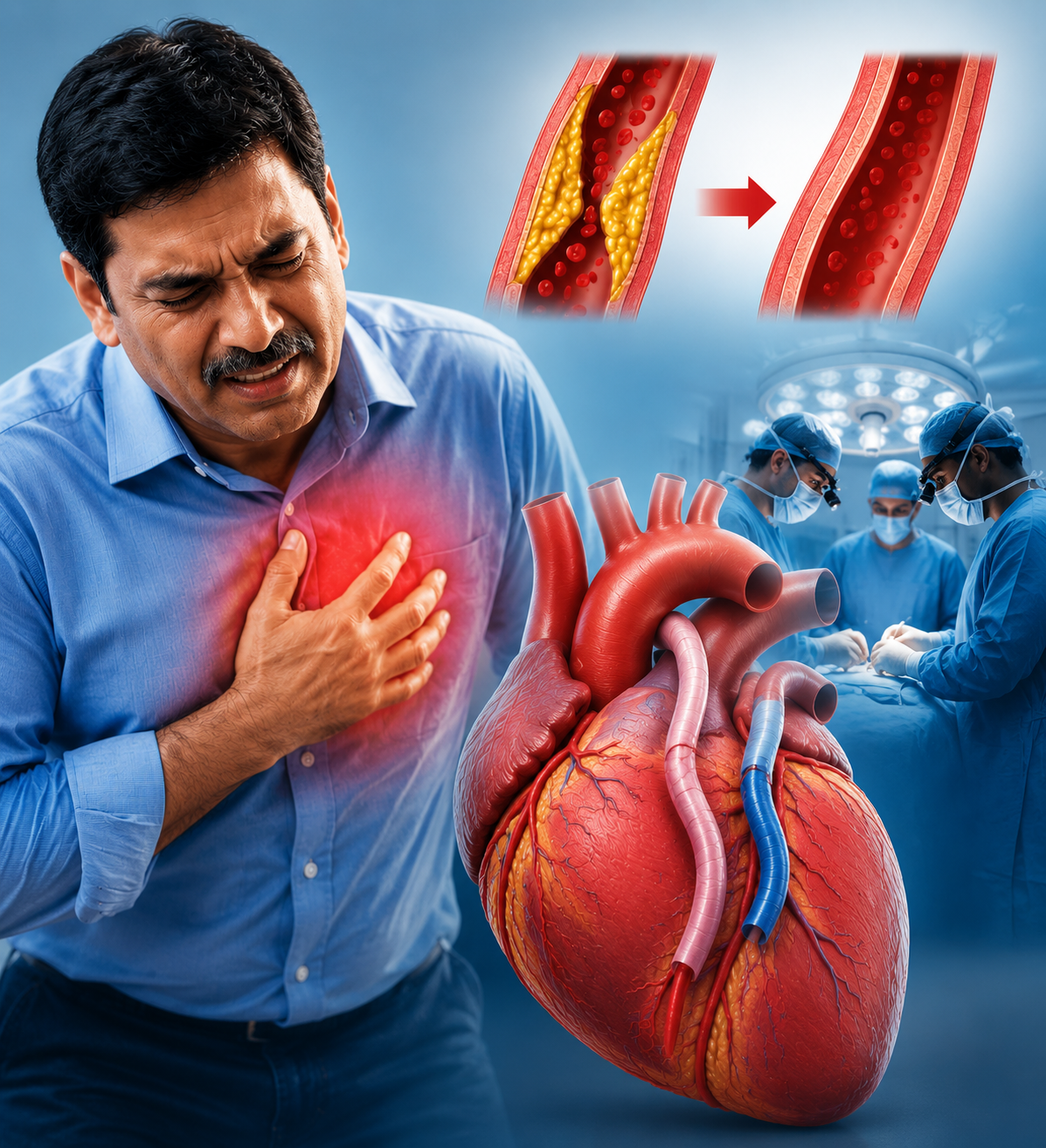
Illustration of a coronary artery bypass graft procedure

Bypass surgery referral (CABG)

Multiple vessels, or a critical left main narrowing, do better with bypass than stents.

  • Decided on angiogram findings, not symptoms alone
  • Referred to a cardiothoracic team we work with
  • Your follow-up continues here afterwards
When to consult

When to see a cardiologist for chest pain

You do not need a referral to see a cardiologist for chest pain at our KPHB Colony clinic, and you do not need to wait until the pain is severe.

  • Chest discomfort on exertion — heaviness or tightness when you walk fast, climb stairs or carry weight, that settles with rest.
  • Pain that keeps coming back — any chest discomfort recurring over days or weeks, however mild, especially if the pattern is changing.
  • Chest pain with other symptoms — breathlessness, palpitations, giddiness, sweating or unusual fatigue alongside the pain.
  • You have diabetes — cardiac pain is often blunted or absent. Unexplained breathlessness or fatigue deserves a cardiac check.

Who you will see at our KPHB clinic

Your evaluation is carried out by the same interventional cardiologists who would treat whatever the tests find.

Dr. Arun Kumar Kamisetty, Senior Interventional Cardiologist at Gokul Heart & Cholesterol Clinic, KPHB

Dr. Arun Kumar Kamisetty

MBBS · MD · DM (Cardiology)

Senior Interventional Cardiologist — Gokul Heart & Cholesterol Clinic, KPHB · Senior Consultant Cardiologist, Apollo Hospitals. Formerly HOD of Cardiology at GEM’S Medical College.

15+ years experience Apollo Hospitals, Secunderabad Complex PCI & CTO
Dr. Naga Chaitanya Karella, Interventional Cardiologist and cholesterol specialist at Gokul Heart & Cholesterol Clinic, KPHB

Dr. Naga Chaitanya Karella

MBBS · MD · DM (Cardiology)

Interventional Cardiologist — Gokul Heart & Cholesterol Clinic, KPHB. Gold medallist in DM Cardiology at KNR University of Health Sciences, and a specialist in cholesterol and hypertension management.

12+ years experience Gold Medallist, DM Cardiology Cholesterol & hypertension

Stop guessing. Get it checked.

If you have been managing chest pain with antacids or ignoring it as "gas", one consultation can tell you whether your heart is involved. Book chest pain treatment in KPHB with our interventional cardiologists.

  • Gokul Heart & Cholesterol Clinic
    KPHB Colony, Kukatpally, Hyderabad, Telangana
  • Mon – Sat 6:00 PM – 9:00 PM  ·  Sun 10:00 AM – 1:00 PM
  • 89196 07118
  • info@gokulheartcholesterolclinic.com
FAQs

Chest pain treatment in KPHB — common questions

How do I know if my chest pain is serious?
Treat it as serious if the pain is heavy or pressing, lasts more than ten minutes, spreads to your arm, jaw or back, or comes with sweating, nausea or breathlessness. Go to an emergency department immediately in those situations. For pain that comes and goes with exertion, or that you have been living with for weeks, book a cardiology evaluation rather than waiting to see if it settles.
Can gas or acidity really feel like a heart attack?
Yes, and the reverse is equally true, which is why self-diagnosis is unreliable. Reflux usually burns and worsens after food or on lying down, while cardiac pain usually presses and worsens on exertion. But there is real overlap. An ECG and, where needed, a 2D Echo settle the question in one sitting.
Which tests will I need for chest pain?
Almost everyone starts with an ECG. Depending on what it shows and what your history suggests, we add a 2D Echo, a TMT stress test, and blood tests including troponin and a lipid profile. If those point to arterial narrowing, a CT coronary angiogram or coronary angiography comes next.
What causes chest pain on the left side?
Left-sided chest pain can be cardiac, but it is not automatically a heart problem. Cardiac causes include angina and reduced blood flow through a narrowed coronary artery. Non-cardiac causes on the left side include acid reflux, a strained chest wall muscle, costochondritis, and anxiety. Location alone does not settle it, which is why an ECG is the sensible first step.
What should I do if I get sudden chest pain?
Stop what you are doing and sit down. If the pain is heavy or crushing, lasts beyond ten minutes, or comes with sweating, vomiting, severe breathlessness or fainting, call 108 or get to the nearest emergency department at once, and do not drive yourself. If it settles quickly with rest, it still needs review, so book a cardiology appointment rather than waiting for it to happen again.
I have chest pain and breathlessness. Which doctor should I see?
Chest pain together with breathlessness should be assessed by a cardiologist first, because that combination raises the likelihood of a cardiac cause. An ECG and 2D Echo will show whether the heart's rhythm, pumping function or valves are involved. If the heart is clear, the next step is usually a pulmonology or gastroenterology opinion, and we will point you there.
Does every blockage need a stent?
No. Blockages are graded, and a large proportion are managed with medication, cholesterol control and lifestyle change alone. A stent is recommended when the narrowing is significant and symptoms persist despite medication, or during an acute heart attack. If a procedure is not needed, we will tell you that.
Can chest pain be a heart problem in your thirties?
It can. Coronary artery disease presents earlier in Indian patients than in most other populations, and high cholesterol, diabetes, smoking and family history matter more than age alone. Age is a reason to check, not a reason to dismiss.
Call Now Button