Subtotal $0.00
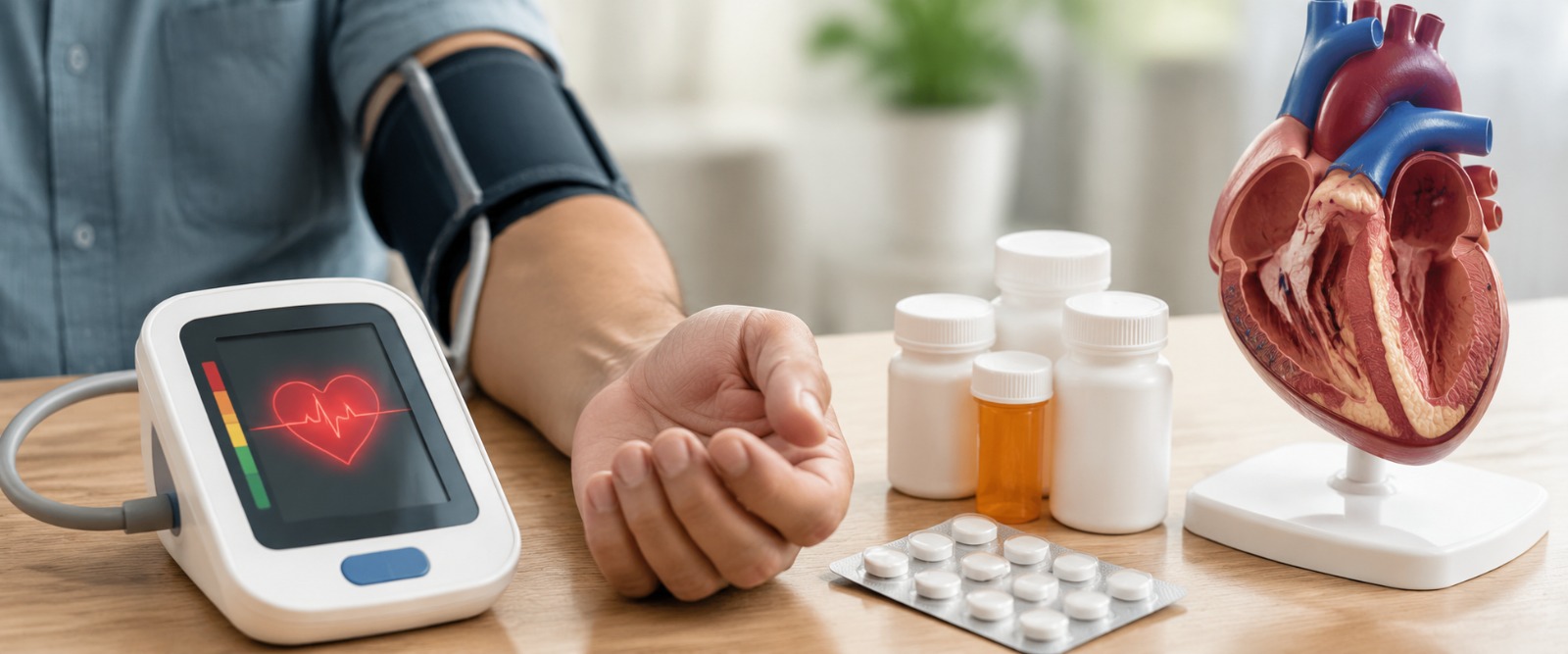
Readings above 140/90 mmHg
BP that stays above target despite taking three medicines regularly.

Resistant Hypertension Treatment in KPHB starts with one honest question: why does your BP stay high despite regular tablets? At Gokul Heart & Cholesterol Clinic, Kukatpally, our cardiologists answer that question with evidence, hunting for the reason before adding one more tablet to your list. Many patients already take three medicines daily, yet the reading crosses 140/90 mmHg — that pattern needs a deeper look, not a stronger dose.
Mon – Sat 9:15–10:00 AM & 6:00–9:00 PM · Sunday 10:00 AM – 1:00 PM (By Appointment)
Resistant Hypertension Treatment in KPHB begins with one honest question: why does your BP stay high despite regular tablets? Resistant hypertension means BP that stays above target despite three medicines — usually including a diuretic, or water tablet. Doctors use the same term when four or more medicines are needed for control.
Because the label sounds frightening, many patients lose hope. However, most cases improve once the real cause comes to light — the reason people look for a Resistant Hypertension Specialist in KPHB instead of simply adding one more tablet. In fact, a careful review often reduces the tablet count instead of raising it.
At our KPHB Colony clinic, the same cardiologists who run your hypertension evaluation also treat any hidden cause that surfaces — from sleep apnoea to a kidney artery block — continuing as long-term Resistant Hypertension Management.
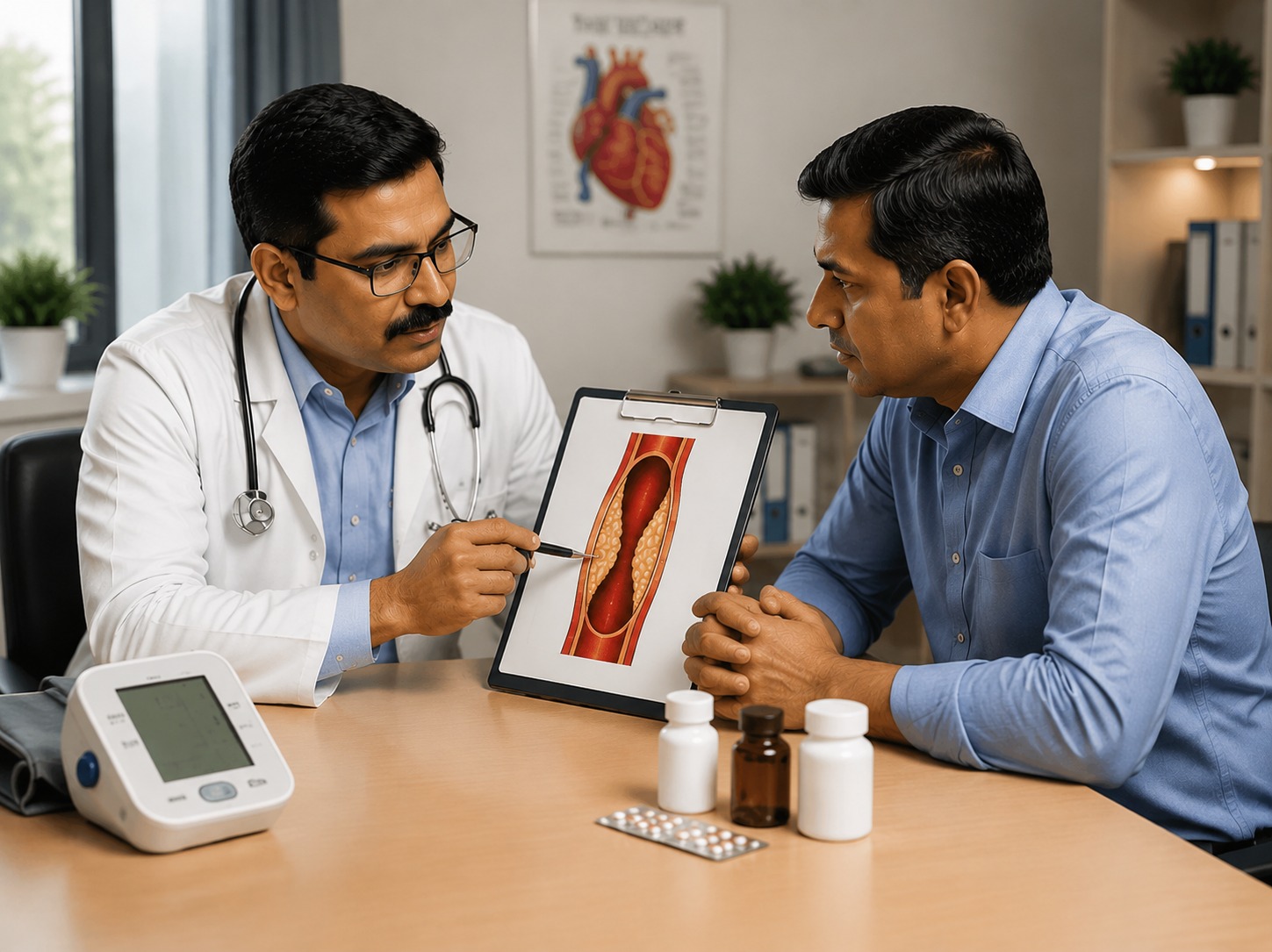
Most people with high BP feel perfectly fine, so silent damage continues for years. Still, a few everyday signals deserve quick attention — that pattern is where Hypertension Evaluation in KPHB begins.
BP that stays above target despite taking three medicines regularly.

A dull ache at the back of the head, often noticed on waking.

Getting short of breath while climbing just one flight of stairs.

Feet and ankles that puff up by evening and ease again overnight.

Heavy snoring at night followed by unusual sleepiness through the day.

Unusual tiredness, a racing heartbeat, or a heavy feeling in the chest.
Most patients hear these terms for the first time at diagnosis. Getting the label right is what shapes the correct treatment plan — and difficult-to-control BP is rarely a discipline problem.
The two numbers on every reading
The pressure of blood pushing against your artery walls, written as systolic over diastolic
Commonly called the water tablet
A medicine that removes extra salt and fluid from the body — usually one of the three tablets in resistant hypertension
The 24-hour BP recorder
A small device that tracks BP through the day and night, used when clinic and home readings disagree
The heart-pumping scan
An ultrasound that shows heart muscle thickness and pumping strength
BP that only rises at the clinic
Readings that climb only inside the clinic; home and ABPM readings guide the real diagnosis
BP that hides during the visit
Normal-looking clinic readings that climb at home — carrying the same risk as classic high BP
Not a discipline problem
Usually points to a hidden trigger — a medicine, sleep, salt or a hormone — that nobody has checked yet
The hidden trigger behind stubborn BP
A specific, treatable reason such as sleep apnoea or excess aldosterone hormone from the adrenal gland
Salt, sleep and stress explain a lot — but a few other factors matter too. Identifying which of these apply to you shapes your Resistant Hypertension Management plan.

Risk climbs above 50, and earlier when close family members have high BP or heart attack.
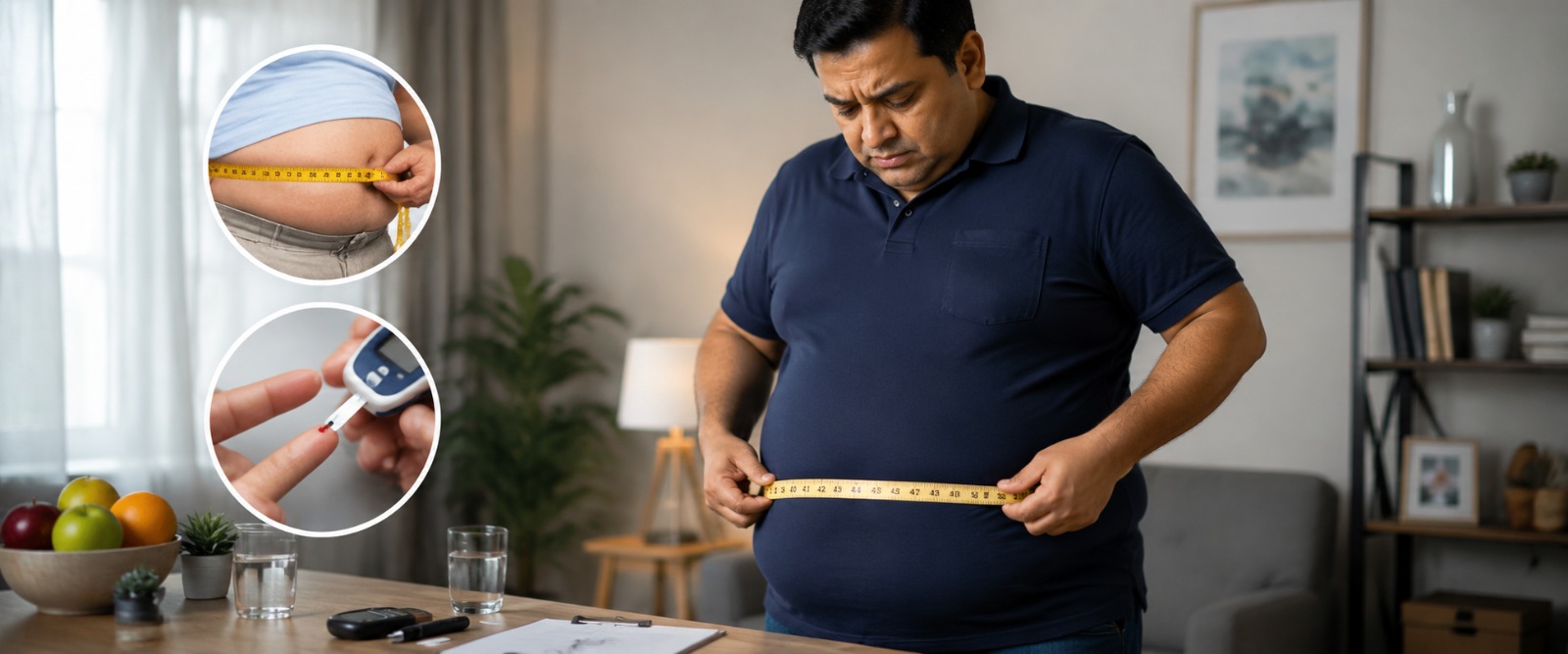
Extra weight around the waist, plus diabetes or prediabetes, both push BP upward together.

Salt-heavy food with very little potassium keeps pressure high in most Hyderabad kitchens.

Regular use of any of these keeps BP elevated and blunts the effect of tablets.

Long desk hours in IT offices with almost no walking let both weight and pressure creep up.
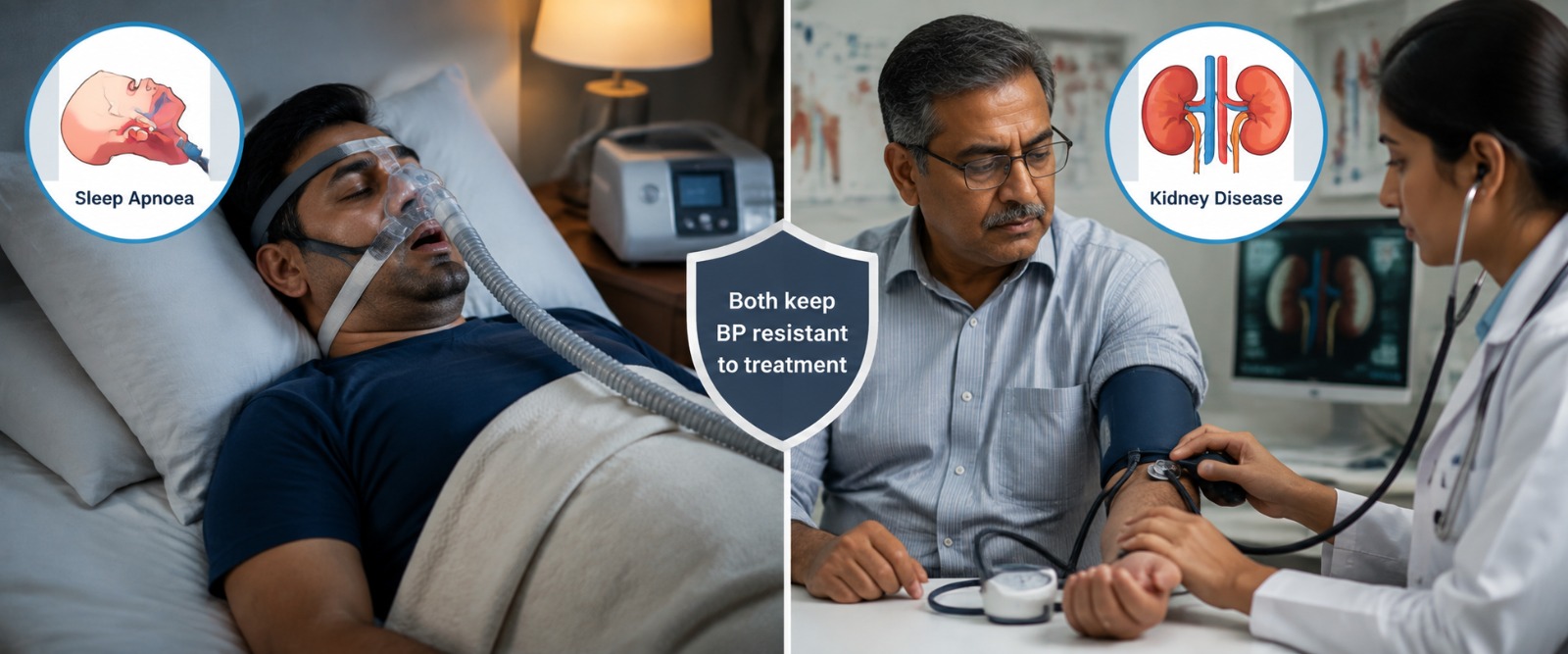
Untreated snoring or sleep apnoea, and long-standing kidney disease, both keep BP resistant to treatment.
Food changes support every prescription — our dietary advice fits local Telugu meals rather than imported charts.
A fixed sequence, in this order — each step decides whether the next one is needed.
Food, sleep, stress and every medicine you take come first, including painkillers and supplements.
Readings taken in both arms after five minutes of rest, using a validated upper-arm monitor.
A week of home readings, morning and night; ABPM when clinic and home readings disagree.
Sugar, HbA1c, kidney function, salts and lipid profile, plus a urine test for protein leak.
A heart screen that checks muscle thickness and pumping strength, done in-house the same visit.
Renal Doppler, a sleep study or hormone tests when the pattern points to a specific trigger.
Your cardiologist combines these based on your ABPM, blood tests and overall risk profile — not every patient needs all of them.
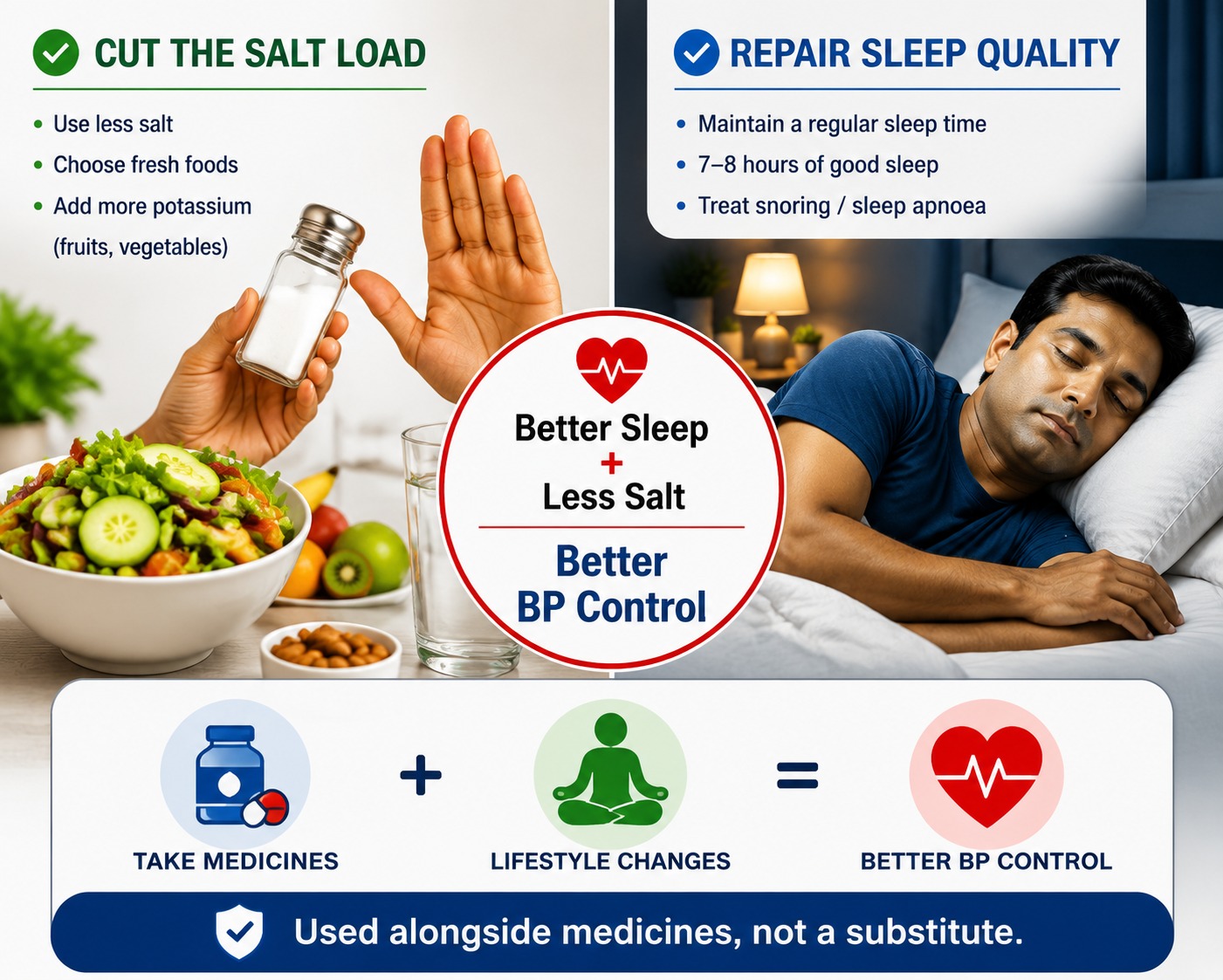
Cutting the salt load and repairing sleep quality, used alongside medicines rather than as a substitute for them.

Reviewing dose, timing and combination together, sometimes switching to a bedtime dose or a single combination pill.
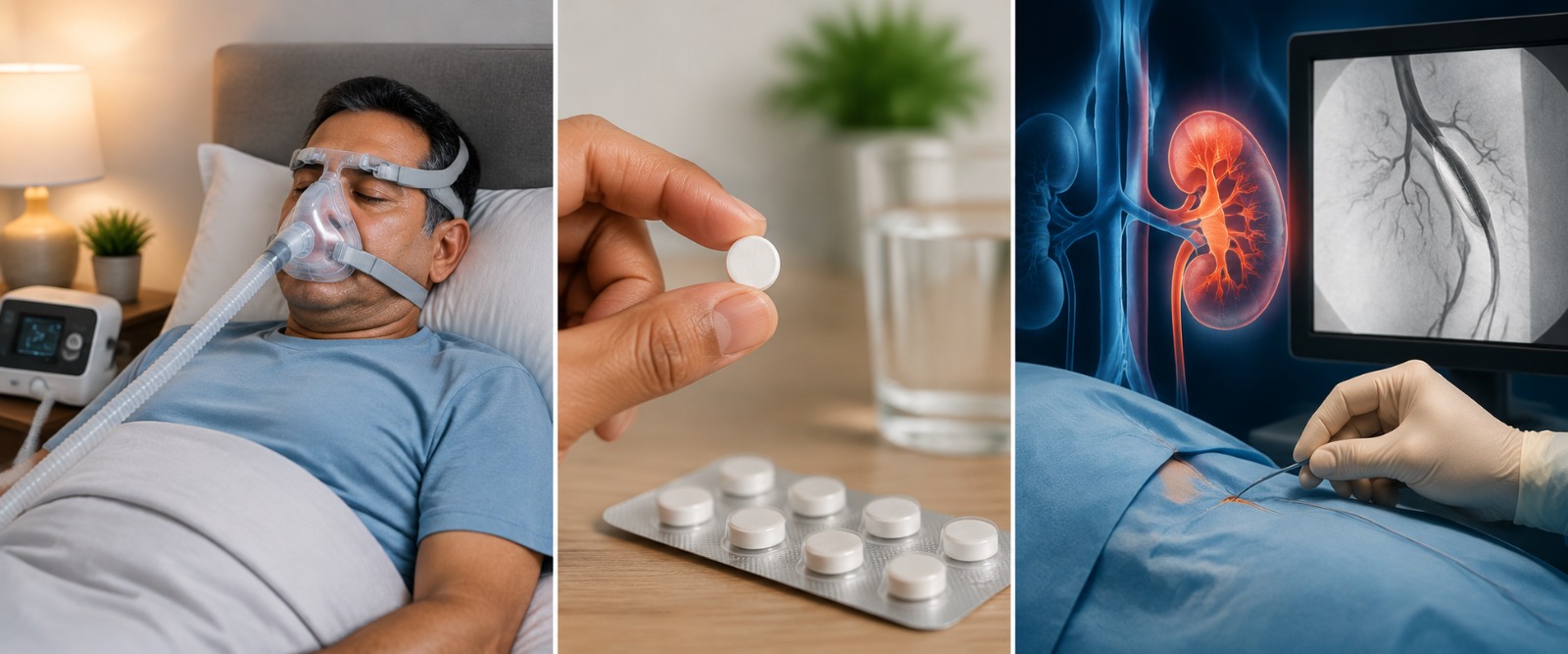
A CPAP machine for sleep apnoea, a specific tablet for excess aldosterone, or a kidney artery procedure through partner hospitals, where testing confirms a specific trigger.

Lipid control alongside BP treatment, since high BP and high cholesterol damage the very same arteries.
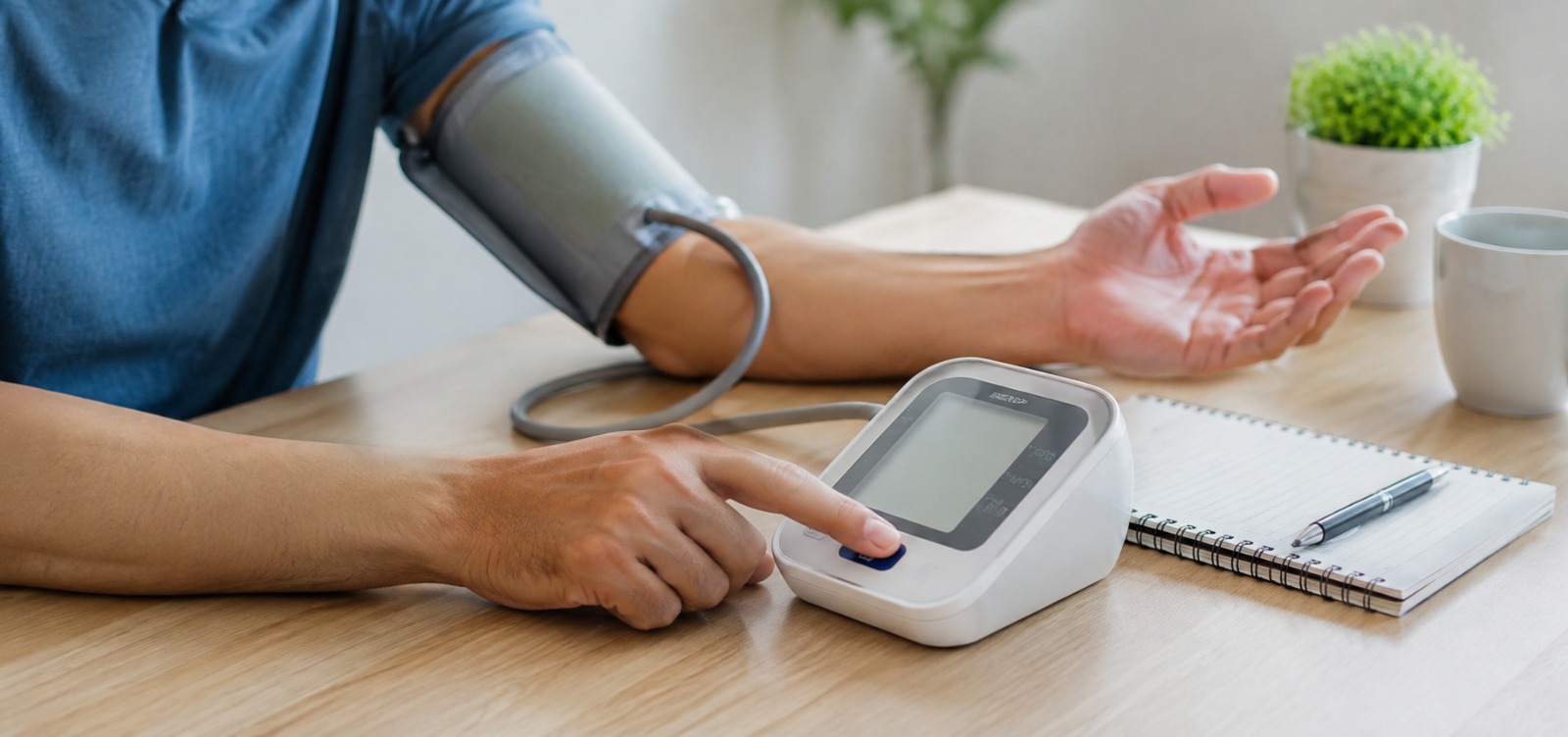
A validated device, correct technique and a structured follow-up schedule to track your progress.

Ongoing coaching with Telugu-kitchen food swaps and walking targets to help lifestyle changes stick.
You do not need a referral at our KPHB Colony clinic, and you should not wait for organ damage. Besides, a quick word with a Hypertension Specialist in KPHB costs little and clarifies a lot.
The cardiologist who runs your BP evaluation also treats any hidden cause that surfaces, from cholesterol to a kidney artery block.

Senior Interventional Cardiologist and Lipidologist — Gokul Heart & Cholesterol Clinic, KPHB · Senior Consultant, Apollo Hospitals, Secunderabad. Formerly HOD of Cardiology at GEM’S Medical College. Special interest covers cholesterol disorders, complex angioplasty and preventive heart care.

Interventional Cardiologist — Gokul Heart & Cholesterol Clinic, KPHB · Chief Interventional Cardiologist, Dhruva Hospitals. Gold medallist in DM Cardiology at KNR University of Health Sciences, with special focus on cholesterol disorders and difficult-to-control blood pressure.
If your BP still crosses 140/90 mmHg despite three medicines, one consultation can tell you why. Book Resistant Hypertension Treatment in KPHB with our cardiologists.