Subtotal $0.00

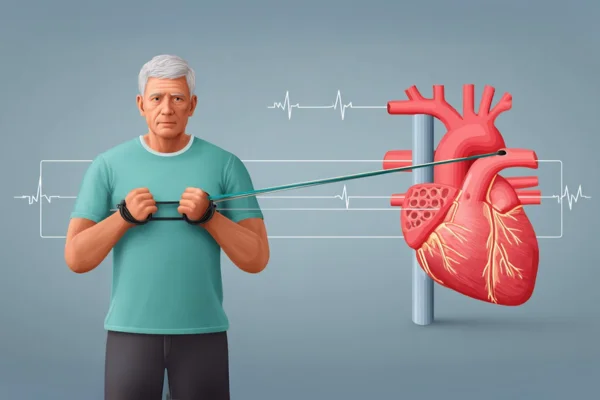
How Much Exercise Is Good for Your Heart?
We all know that exercise is essential for a healthy lifestyle, but when it comes to your heart health, balance is the key. While regular physical activity strengthens the heart, improves circulation, and lowers blood pressure, overdoing it may cause more harm than good.Why Exercise Helps the Heart
The American Heart Association recommends at least 150 minutes of moderate-intensity exercise per week (like brisk walking, cycling, or swimming) or 75 minutes of vigorous activity (like running, aerobics, or HIIT). This level of exercise helps:- Strengthen the heart muscle
- Improve blood circulation
- Reduce cholesterol and blood pressure
- Lower the risk of heart attack and stroke
Can Too Much Exercise Stress the Heart?
Yes. While athletes and highly active individuals may tolerate higher levels of exercise, research shows that excessive, high-intensity workouts without rest can put stress on the heart. Over time, this may lead to:- Irregular heartbeat (arrhythmia)
- Increased risk of inflammation in the heart muscles
- Higher chances of injury or burnout
Signs You’re Over-Exercising
Watch out for these warning signals that your heart and body need rest:- Unusual fatigue or weakness
- Dizziness or chest pain during workouts
- Irregular heartbeat or palpitations
- Trouble sleeping and constant soreness
Finding the Right Balance
- Aim for 30 minutes of moderate activity, 5 days a week
- Mix cardio with light strength training and flexibility exercises
- Take rest days to allow recovery
- Listen to your body — stop if you feel chest discomfort, severe breathlessness, or dizziness


Comments are closed